
Clear and consistent tuna fillet specifications play a critical role in international seafood trade. Industrial buyers and food processors rely on detailed specifications to assess product suitability, manage risk, and speed up procurement decisions. Without precise technical data, sourcing delays and quality disputes become more likely.
This article explains how tuna fillet specifications are defined, reviewed, and applied in global trade. It is written for buyers who require RFQ-ready clarity and exporters who aim to reduce friction during technical evaluation.
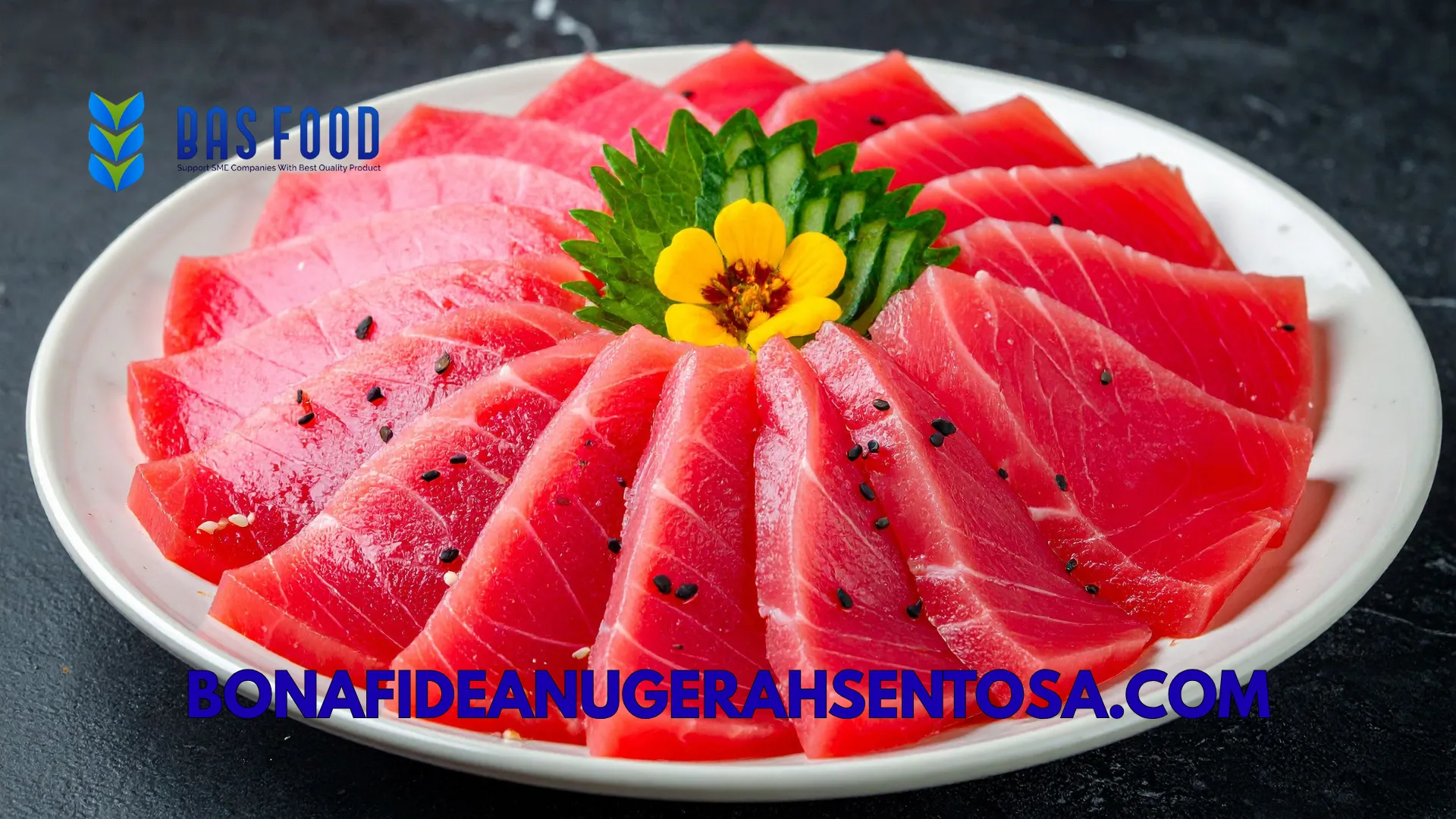
Why Tuna Fillet Specifications Matter in Global Trade
Tuna fillet specifications act as a common language between buyers and exporters. They reduce assumptions and help both sides align on quality, handling, and compliance requirements. As a result, transactions become more predictable.
For international buyers, well-defined tuna fillet specifications support internal approvals. They also simplify audits, contract reviews, and downstream processing decisions.
Tuna Species Classification Within Specifications
Most specifications begin with species identification. Buyers usually request yellowfin, skipjack, bigeye, or bluefin, depending on application and market demand. Each species has distinct muscle structure and fat content.
In tuna fillet specifications, species details must match export documents and labeling. Consistency here prevents customs delays and regulatory concerns.
Fillet Cut Types and Physical Dimensions
Cut definition is another core element. Buyers often specify loin, steak, or skinless fillet, along with trimming levels. These details affect yield and processing efficiency.
Tuna fillet specifications typically include length, thickness, and average weight ranges. Clear dimensional data helps processors plan portioning and reduce waste.
Color, Texture, and Sensory Parameters
Visual and sensory standards are central to quality evaluation. Buyers assess color stability, firmness, and absence of discoloration. These factors influence both shelf life and consumer acceptance.
Within tuna fillet specifications, exporters usually define acceptable color ranges and texture descriptions. This clarity reduces subjective disputes upon arrival.
Freezing Methods and Temperature Requirements
Freezing technique has a direct impact on quality retention. Buyers often specify blast freezing or super freezing based on end use. Temperature targets must remain consistent throughout storage.
Tuna fillet specifications normally state core temperature at dispatch and required storage conditions. This helps buyers manage cold chain risk more effectively.
Moisture, Glazing, and Additive Limits
Industrial buyers closely monitor moisture content and glazing percentage. Excess glazing can distort net weight and pricing. Therefore, clear limits are essential.
In tuna fillet specifications, exporters define glazing ratios and confirm the absence or presence of additives. Transparent disclosure supports trust and compliance.
Food Safety Standards and Regulatory Compliance
Compliance references are a standard part of specifications. Buyers expect alignment with HACCP principles and destination market rules. This includes EU, US, or other regional requirements.
Strong tuna fillet specifications reference food safety systems and inspection controls. These details reassure buyers during supplier approval stages.
Traceability Information Included in Specifications
Traceability has become a technical requirement, not a marketing feature. Buyers request vessel data, catch area, and production dates. This information supports audits and sustainability reviews.
Modern tuna fillet specifications often include traceability fields. Clear traceability shortens response time during regulatory checks.
Packaging and Labeling Technical Details
Packaging affects protection, storage efficiency, and compliance. Buyers evaluate carton strength, inner packaging, and sealing methods. Label accuracy is equally important.
Within tuna fillet specifications, packaging format and labeling content are clearly defined. This reduces handling errors across logistics partners.
Tolerance Levels and Quality Deviation Handling
No shipment is perfect, so tolerance limits matter. Buyers expect defined thresholds for size variation, defects, or weight deviation. This helps resolve issues objectively.
Tuna fillet specifications often outline acceptable tolerances and claim procedures. These sections prevent escalation and preserve business relationships.
Documentation Alignment With Specifications
Specifications must align with commercial documents. Discrepancies between specs, invoices, and certificates can cause shipment holds. Buyers therefore review documentation carefully.
Well-prepared tuna fillet specifications reflect how exporters manage paperwork. Alignment signals operational discipline and trade experience.
Exporter Experience and Specification Reliability
Experienced exporters understand how to translate buyer needs into technical documents. Companies such as CV Bonafide Anugerah Sentosa, an Indonesian exporter active in fishery products, spices, cocoa, and coconut goods, approach specifications with a compliance-first mindset.
For buyers reviewing tuna fillet specifications, exporters with multi-commodity export experience often demonstrate stronger documentation control and international trade awareness.
Best Practices for RFQ-Ready Tuna Fillet Specifications
RFQ-ready specifications are concise but complete. They avoid vague terms and rely on measurable criteria. This approach speeds up buyer evaluation.
Exporters who maintain updated tuna fillet specifications reduce back-and-forth communication. As a result, procurement cycles move faster and with fewer risks.
Conclusion: Using Specifications to Build Buyer Confidence
Tuna fillet specifications are more than technical files. They are decision tools for international buyers. Clear specifications reduce uncertainty and improve sourcing outcomes.
For exporters, investing in precise tuna fillet spec supports long-term buyer trust. For buyers, they enable faster, safer procurement decisions.
FAQ Section
What are tuna fillet specifications used for?
They define quality, size, handling, and compliance criteria so buyers and exporters share the same expectations.
Why do buyers require detailed tuna fillet specifications?
Detailed specifications reduce risk, support audits, and speed up internal approval processes.
Do tuna fillet specifications differ by market?
Yes. Requirements often vary between the EU, US, and other regions based on regulations and buyer standards.
How do specifications support cold chain control?
They define freezing methods, temperature limits, and storage conditions that protect product quality.
Are specifications required before RFQ submission?
Most industrial buyers prefer RFQ-ready specifications to evaluate suitability before price negotiation.
Contact CV Bonafide Anugerah Sentosa how we can provide the best solutions for you. WhatsApp: +62 8213 4505 737, Email: info@bonafideanugerahsentosa.com / bas.mdir@gmail.com.