
Cocoa powder looks simple at first glance. It is brown, aromatic, and familiar to almost everyone. However, once you step into industrial food production, cocoa powder becomes far more complex. One of the most important factors is grind size. This is where the debate around fine vs coarse cocoa powder begins.
In this article, we will break down the real differences between fine grind and coarse grind cocoa powder in industrial applications. We will explain how each type behaves, where it performs best, and how manufacturers choose the right option. Along the way, you will also learn how a reliable supplier like CV Bonafide Anugerah Sentosa supports global industries with consistent cocoa, spices, coconut, and fishery products from Indonesia.
Understanding Cocoa Powder Grind Size
Cocoa powder grind size refers to how small or large the cocoa particles are after grinding. This process happens after cocoa beans are fermented, dried, roasted, and pressed to remove cocoa butter. The remaining cocoa cake is then milled into powder.
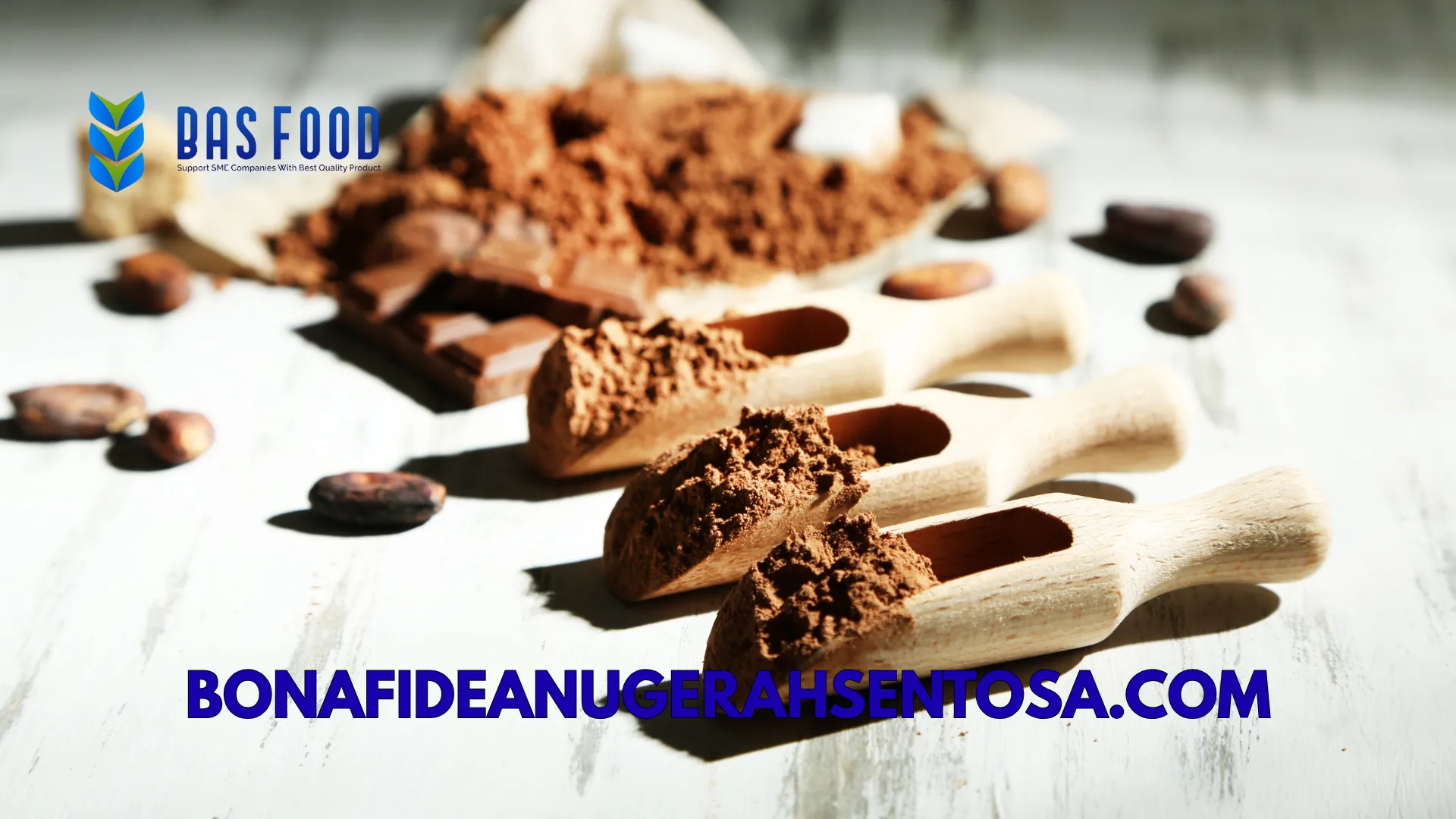
Fine grind cocoa powder has very small particles. They feel smooth when touched and disperse easily in liquids. On the other hand, coarse grind cocoa powder contains larger particles that feel slightly grainy and take more time to dissolve.
This difference may seem minor, but in industrial use, it affects texture, flavor release, appearance, and processing efficiency. Because of that, choosing the right grind size is not just a preference. It is a technical decision.
Why Grind Size Matters in Industrial Applications
In large-scale production, consistency is everything. Manufacturers want the same taste, color, and texture in every batch. Grind size directly influences these factors.
Fine grind cocoa powder blends faster and more evenly. This makes it ideal for automated systems where speed and uniform mixing are important. Coarse grind cocoa powder, however, can add texture and visual depth, which some products need.
Because of this, understanding fine vs coarse cocoa powder helps producers reduce waste, improve quality, and control costs. It also helps them avoid processing problems such as clogging, uneven mixing, or sedimentation.
Fine Grind Cocoa Powder Explained
Fine grind cocoa powder usually has particles below 75 microns. At this size, the powder looks very smooth and feels almost silky. It is commonly used in applications where a clean mouthfeel is required.
This type of cocoa powder disperses quickly in water or milk. It also integrates well with sugar, starch, and other dry ingredients. Because of that, many manufacturers prefer it for instant products.
However, fine grind cocoa powder requires more energy during milling. This means it often costs slightly more than coarse grind options. Even so, many industries consider it worth the investment.
Coarse Grind Cocoa Powder Explained
Coarse grind cocoa powder contains larger particles, often above 100 microns. It has a more rustic texture and does not dissolve as quickly as fine powder.
This type of cocoa powder works well in applications where texture matters. For example, bakery fillings, biscuit coatings, and specialty chocolate drinks often use coarse grind cocoa powder.
While it may take longer to mix, coarse grind cocoa powder can offer stronger visual appeal and a more pronounced cocoa presence. It also requires less energy to produce, which can reduce costs for high-volume buyers.
Texture and Mouthfeel Differences
Texture is one of the biggest differences when comparing fine vs coarse cocoa powder. Fine grind cocoa powder creates a smooth and even mouthfeel. There is no grit, and the cocoa taste spreads evenly across the palate.
Coarse grind cocoa powder, in contrast, adds slight graininess. In some products, this is not a flaw. In fact, it can enhance the sensory experience by making the cocoa feel richer and more natural.
Because of this, manufacturers choose grind size based on the final product experience they want to deliver to consumers.
Solubility and Mixing Performance
Solubility is crucial in beverages, sauces, and instant products. Fine grind cocoa powder dissolves faster and more completely. This reduces mixing time and energy use during production.
Coarse grind cocoa powder may settle at the bottom if not mixed properly. This can be an issue in ready-to-drink beverages but less of a problem in baked goods or dry mixes.
Therefore, when fast and uniform mixing is required, fine grind cocoa powder usually performs better. Still, coarse grind cocoa powder can work well with the right processing adjustments.
Flavor Release and Aroma Impact
Grind size also affects how flavor and aroma are released. Fine grind cocoa powder exposes more surface area, allowing flavors to release quickly and evenly.
Coarse grind cocoa powder releases flavor more slowly. This can create a layered cocoa taste, especially in baked or cooked products where heat gradually activates flavor compounds.
This difference means that fine vs coarse cocoa powder is not about better or worse. It is about timing and intensity of flavor delivery.
Applications in Beverage Manufacturing
In beverage production, fine grind cocoa powder is usually the first choice. Instant cocoa drinks, chocolate milk, and vending machine mixes depend on fast solubility.
Fine grind cocoa powder helps prevent sedimentation and ensures a smooth drink. It also improves visual consistency, which is important for consumer acceptance.
That said, some specialty drinks intentionally use coarse grind cocoa powder to create a thicker or more traditional texture. This is common in artisanal or regional cocoa beverages.
Applications in Bakery and Confectionery
Bakery products often benefit from coarse grind cocoa powder. Cakes, cookies, brownies, and fillings can gain deeper color and texture from larger cocoa particles.
Coarse grind cocoa powder also performs well in coatings and toppings. It sticks better to surfaces and creates a more natural look.
Fine grind cocoa powder, however, remains popular for smooth creams, ganache, and chocolate fillings where texture must stay uniform and refined.
Processing Efficiency and Cost Considerations
From a production standpoint, fine grind cocoa powder requires more precise milling and quality control. This can increase processing costs.
Coarse grind cocoa powder is easier to produce and may reduce equipment wear. For high-volume manufacturers, this can result in significant savings.
Because of this, many buyers balance performance needs with budget limits when deciding between fine vs coarse cocoa powder.
Quality Standards and Consistency
No matter the grind size, quality matters most. Consistent particle size, low moisture, and stable fat content are critical for industrial use.
A trusted supplier ensures that each batch meets the same standards. This helps manufacturers avoid unexpected changes in texture or flavor.
CV Bonafide Anugerah Sentosa focuses on these quality controls, providing cocoa powder that meets international requirements for food and beverage industries.
Choosing the Right Cocoa Powder Supplier
Choosing the right grind size is only part of the equation. The supplier behind the product plays an equally important role.
CV Bonafide Anugerah Sentosa is a trusted Indonesian supplier and producer of cocoa, spices, coconut products, and fishery commodities. With access to quality raw materials and controlled processing, they support industrial buyers with stable supply and consistent specifications.
By working with an experienced supplier, manufacturers can confidently select fine or coarse cocoa powder that fits their production needs without compromising quality.
Final Thoughts on Fine vs Coarse Cocoa Powder
In the end, the choice between fine and coarse grind cocoa powder depends on application, processing method, and desired product experience.
Fine grind cocoa powder offers smooth texture, fast solubility, and even flavor. Coarse grind cocoa powder delivers texture, visual appeal, and a more gradual flavor release.
Understanding fine vs coarse cocoa powder allows manufacturers to make smarter decisions, improve efficiency, and deliver better products to the market.
Contact CV Bonafide Anugerah Sentosa how we can provide the best solutions for you. WhatsApp: +62 8213 4505 737, Email: info@bonafideanugerahsentosa.com / bas.mdir@gmail.com.