
Cocoa powder may look the same in every bag, but its origin makes a real difference. Climate, soil, farming methods, and processing traditions all shape how cocoa powder tastes, smells, and performs in food production. For manufacturers and importers, understanding the distinctions between Asian vs African cocoa powder helps avoid surprises in flavor and consistency.
When people compare asian vs african cocoa powder, they are really comparing two major cocoa cultures. Each region brings its own strengths, challenges, and typical quality profiles. Knowing these differences helps buyers choose the right cocoa for their product goals.
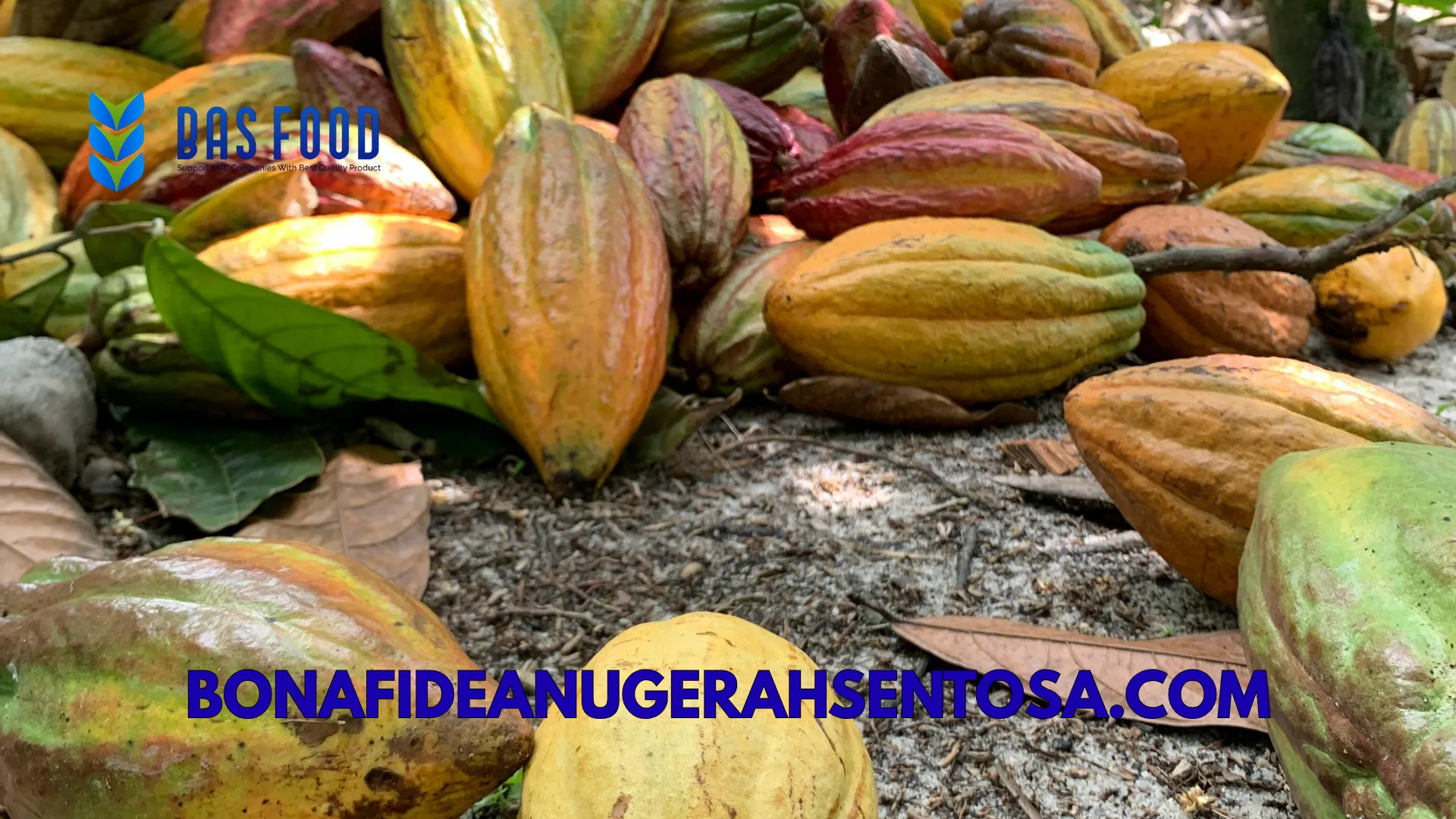
A Quick Overview of Asian Cocoa-Producing Regions
Asia is a growing force in the global cocoa market. Countries like Indonesia, Malaysia, and Papua New Guinea play an important role, especially for bulk cocoa powder supply.
Asian cocoa farms often operate close to processing facilities. Because of this, beans usually move faster from harvest to processing. This shorter timeline can help maintain freshness and reduce flavor loss, which is one key point in the asian vs african cocoa powder discussion.
A Snapshot of African Cocoa Origins
Africa remains the world’s largest cocoa producer. Ivory Coast, Ghana, Nigeria, and Cameroon dominate global supply and set many international benchmarks for cocoa quality.
African cocoa has a long history of export-oriented production. Over time, standardized farming and fermentation practices have shaped a cocoa profile that many global brands recognize and trust.
Flavor Profile Differences Between Asian and African Cocoa
Flavor is often the first thing buyers notice. Asian cocoa powder typically offers milder bitterness with earthy, woody, or nutty notes. Some Asian origins also show light smoky or roasted characteristics.
African cocoa powder, on the other hand, is known for strong cocoa flavor, higher bitterness, and classic chocolate notes. When comparing asian vs african cocoa powder, African cocoa often delivers a more intense and bold taste.
Color and Visual Appearance
Color plays a big role in consumer perception. Asian cocoa powder usually shows a lighter brown tone, especially in natural cocoa powder. This can work well in bakery products where a softer color is preferred.
African cocoa powder often appears darker and richer. This deep color is popular for chocolate drinks, cookies, and desserts that rely on strong visual impact.
Fat Content and Cocoa Butter Characteristics
Fat content varies by origin and processing method. Asian cocoa powder often comes in medium-fat ranges, making it flexible for many industrial uses.
African cocoa powder is available in both medium and high-fat options. Higher cocoa butter content helps improve mouthfeel, which is why African cocoa is often used in premium chocolate products. This difference is another key factor in asian vs african cocoa powder selection.
Consistency and Batch Stability
Consistency matters for large-scale production. African cocoa supply chains are highly standardized, which often results in stable batch-to-batch quality.
Asian cocoa producers have made strong improvements in recent years. Many suppliers now offer consistent quality with modern processing systems. Buyers who prioritize flexibility and customization may find Asian cocoa more adaptable.
Processing Style and Technology
Processing methods also differ. In Asia, newer factories often use modern equipment and controlled processing systems. This helps maintain uniform particle size and moisture levels.
In Africa, processing combines long-established techniques with industrial-scale operations. This balance supports high-volume production and global distribution. These processing differences shape the final outcome in the asian vs african cocoa powder comparison.
Sustainability and Traceability Factors
Sustainability has become a major concern for buyers. African cocoa supply chains face challenges related to smallholder farming, but certification programs are widely available.
Asian cocoa supply chains often benefit from closer farm-to-factory connections. This makes traceability easier and supports transparent sourcing, which many modern buyers value.
Pricing and Market Positioning
Pricing varies depending on supply, demand, and quality grade. African cocoa powder often follows global benchmark pricing due to its market dominance.
Asian cocoa powder can offer more competitive pricing, especially for bulk orders. This makes it attractive for manufacturers seeking balance between cost and performance in the asian vs african cocoa powder decision.
Application Suitability Across Industries
African cocoa powder works well in classic chocolate bars, cocoa drinks, and premium confectionery where strong cocoa flavor is essential.
Asian cocoa powder fits bakery products, dairy applications, and FMCG items that need smooth flavor and stable performance. Choosing between asian vs african cocoa powder depends heavily on product application.
Regulatory and Export Readiness
Both regions support international food standards, but export readiness varies by supplier. African exporters often work with long-established documentation systems.
Asian exporters, especially in Indonesia, increasingly meet global standards such as HACCP, ISO, and food safety compliance. This improves buyer confidence and simplifies import processes.
Choosing the Right Cocoa Partner
Beyond origin, the supplier matters. Reliable partners help buyers select the right cocoa type, manage specifications, and maintain long-term consistency.
CV Bonafide Anugerah Sentosa is a trusted supplier and producer of cocoa, coconut, spices, and fishery products. With export experience and quality-focused sourcing, the company supports manufacturers seeking dependable cocoa solutions from Asia and beyond.
Asian vs African Cocoa Powder in Real-World Use
In practice, many brands use both origins. African cocoa delivers strong flavor impact, while Asian cocoa adds balance and cost efficiency.
Understanding asian vs african cocoa powder allows brands to blend origins or switch sources without compromising quality.
Final Thoughts for Importers and Manufacturers
Cocoa origin is not about better or worse. It is about matching the right cocoa powder to your product goals, market needs, and budget.
By understanding the real differences in asian vs african cocoa powder, buyers can make smarter sourcing decisions and build stronger supply chains.
Contact CV Bonafide Anugerah Sentosa how we can provide the best solutions for you. WhatsApp: +62 8213 4505 737, Email: info@bonafideanugerahsentosa.com / bas.mdir@gmail.com.