
Vannamei shrimp, also known as Litopenaeus vannamei or Pacific white shrimp, has remained a cornerstone of the global seafood trade. As we step into 2025, the Vannamei Shrimp Market is undergoing rapid shifts influenced by climate patterns, international regulations, consumer behavior, and aquaculture innovations. Exporters and importers must adapt to stay competitive. This blog dives deep into these changes and offers practical insights for those navigating this ever-evolving industry.
In this comprehensive guide, we’ll unpack the most significant trends shaping the Vannamei shrimp trade and introduce CV Bonafide Anugerah Sentosa, a trusted Indonesian supplier of fishery products, spices, and coconut derivatives.
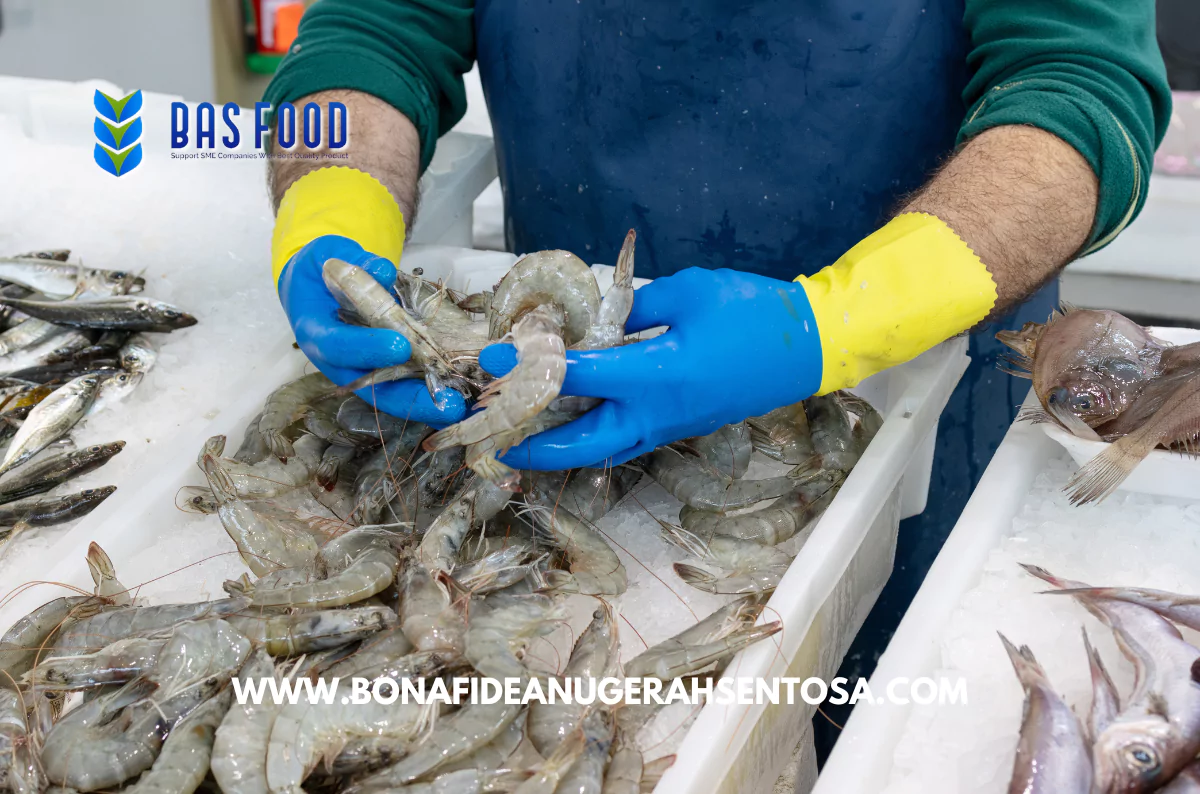
Vannamei Shrimp Market Overview: Still King of the Crustaceans
The Vannamei Shrimp Market continues to dominate the global seafood sector. Thanks to its rapid growth cycle, high disease resistance, and ability to thrive in various farming conditions, Vannamei shrimp is preferred by both producers and buyers alike. It now represents over 75% of total shrimp production worldwide.
Despite some price volatility in 2024, the demand for Vannamei shrimp remains strong. Global consumption is rising, particularly in Asia, North America, and Europe. The versatility of Vannamei shrimp makes it a staple in everything from gourmet cuisine to frozen ready-to-eat meals, contributing to its staying power in international markets.
Another reason the Vannamei shrimp market is so resilient is its adaptability. Shrimp farms are increasingly using sustainable aquaculture practices, which respond well to global climate and regulatory shifts. With more certifications such as ASC (Aquaculture Stewardship Council) and BAP (Best Aquaculture Practices) becoming necessary, producers are upgrading their operations to remain eligible for high-value markets.
2025 Global Demand Trends: Where Is Vannamei Headed?
In 2025, global demand for Vannamei shrimp is not only stable—it’s expanding. Consumer interest in high-protein, low-fat seafood options has surged. Health-conscious buyers are choosing shrimp over red meat, especially in countries where wellness trends influence buying decisions.
Asian markets like China, Japan, and South Korea are showing robust growth. China, in particular, continues to be the world’s largest importer of Vannamei shrimp. Meanwhile, the United States and Canada maintain steady demand, with consumers drawn to sustainably sourced and traceable shrimp products.
Europe is also seeing a shift. While traditionally cautious about seafood imports due to regulatory concerns, European countries are increasing purchases of certified Vannamei shrimp from countries like Ecuador, India, and Indonesia. Consumers are willing to pay a premium for responsibly farmed shrimp, and importers are responding accordingly.
Price Forecasts and Trade Challenges in 2025
Prices for Vannamei shrimp are expected to remain relatively balanced in 2025. However, exporters should remain alert to variables like feed costs, disease outbreaks, and global logistics disruptions. Prices may also fluctuate based on supply chain bottlenecks and geopolitical shifts that influence trade routes.
India and Ecuador, two of the largest shrimp exporters, are expected to maintain strong output, but local issues such as labor shortages and rising energy costs could impact margins. Meanwhile, Indonesia is emerging as a strategic alternative thanks to its investment in sustainable aquaculture and growing reputation as a reliable exporter.
Importers should also note increasing scrutiny on product quality and compliance. From antibiotic residue testing to sustainability certifications, stricter regulations mean that only well-prepared suppliers can enter premium markets. As such, both exporters and importers should establish partnerships with suppliers that prioritize compliance and transparency.
Sustainability and Technology: The New Drivers of Growth
Sustainability is no longer just a buzzword in the Vannamei Shrimp Market—it’s a fundamental part of doing business. In 2025, more buyers are demanding shrimp that is not only high-quality but also farmed responsibly. Eco-friendly packaging, low carbon footprints, and traceable production methods are fast becoming the norm.
To meet these expectations, shrimp farms are investing in recirculating aquaculture systems (RAS), biofloc technology, and smart monitoring systems. These innovations help reduce water usage, cut down disease risks, and increase yields while meeting stringent environmental standards.
Exporters that embrace these changes are seeing higher returns and better access to discerning markets. Importers, on the other hand, are beginning to favor suppliers who can provide digital traceability from farm to port.
CV Bonafide Anugerah Sentosa exemplifies this shift. Known as a leading fishery supplier, coconut supplier, and spices supplier, the company also works closely with responsible shrimp producers. Their commitment to quality and sustainable sourcing gives international buyers peace of mind.
Key Exporting Countries and Emerging Players to Watch
India, Ecuador, Vietnam, Indonesia, and Thailand remain the top exporters in the Vannamei Shrimp Market. India, though facing some issues with overuse of antibiotics, continues to produce in bulk. Ecuador is gaining ground thanks to its low-cost production model and strategic proximity to the U.S. market.
Indonesia stands out in 2025 as an emerging powerhouse. It’s increasingly being recognized for quality, traceability, and reliability. Supported by a favorable climate, strong aquaculture policies, and a push for international certifications, Indonesian shrimp is capturing more shelf space globally.
Meanwhile, Vietnam and Thailand are innovating rapidly in terms of automation and vertical integration. These countries are refining the entire value chain—from hatchery to harvest—to stay competitive in the evolving global market.
Importers should also keep an eye on niche markets. Countries like Bangladesh and Myanmar are quietly increasing exports, especially to regional buyers in the Middle East and Southeast Asia.
Strategic Advice for Exporters and Importers in 2025
For exporters in the Vannamei Shrimp Market, 2025 is the time to focus on three things: compliance, value-added products, and diversified markets. Obtaining internationally recognized certifications, offering peeled and ready-to-cook options, and expanding to underexplored regions like Eastern Europe or the Middle East can unlock new revenue streams.
For importers, the strategy should include forming strong relationships with transparent suppliers. Working with companies like CV Bonafide Anugerah Sentosa ensures you are sourcing from suppliers that understand global compliance, offer consistent quality, and have a proven track record across fishery and agricultural products.
Additionally, staying informed is key. Regularly monitor trade policies, currency exchange rates, and logistics updates. Tools like blockchain tracking, inventory forecasting software, and AI-driven demand analytics can also sharpen your purchasing decisions.
By keeping a finger on the pulse of global trends and staying aligned with trusted suppliers, both exporters and importers can turn the shifts in the Vannamei Shrimp Market to their advantage in 2025.
Final Thoughts: Opportunity Amid Transformation
As the seafood industry continues to evolve, the Vannamei Shrimp Market remains a promising space for growth. While challenges like regulatory pressure and environmental concerns are very real, they also open the door for innovation, transparency, and partnership.
At the heart of this market are reliable suppliers who can deliver both quality and integrity. CV Bonafide Anugerah Sentosa, based in Indonesia, is one such name. With expertise spanning fishery, coconut products, and premium Indonesian spices, they’ve built a reputation as a trusted export partner in the global B2B space.
If you’re looking to thrive in 2025, it’s time to ride the wave of transformation in the Vannamei shrimp industry—with the right insights, tools, and partners by your side.
Contact CV Bonafide Anugerah Sentosa how we can provide the best solutions for you. WhatsApp: +62 8213 4505 737, Email: info@bonafideanugerahsentosa.com / bas.mdir@gmail.com.