
When people talk about coffee, two names always come up: Robusta and Arabica. These two beans dominate global coffee trade and shape the flavors you enjoy in every cup. But when it comes to Robusta vs Arabica Roasted Coffee, businesses face a practical question: which one is better for their market?
This isn’t just a matter of taste. The choice between Robusta and Arabica influences pricing, branding, consumer satisfaction, and even long-term profitability. Understanding how these beans differ after roasting helps importers, roasters, and café owners make smart decisions.
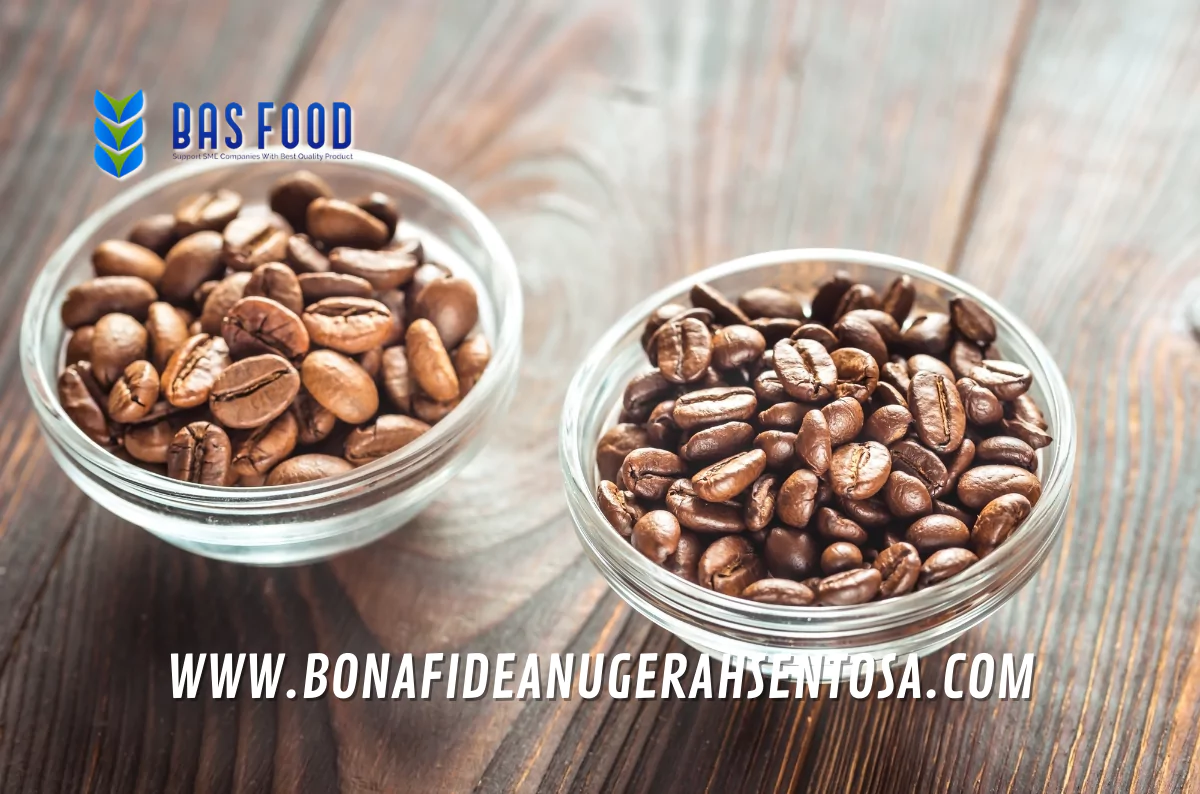
The Basics: What Sets Robusta and Arabica Apart
Before roasting even begins, Robusta and Arabica beans already have unique characteristics. Arabica is generally grown at higher altitudes, often in cooler climates, and has a softer, more nuanced flavor. On the other hand, Robusta thrives in lower altitudes, tolerates harsher conditions, and produces beans with higher caffeine content.
These differences carry over into the roasting process. Roasting amplifies certain qualities while balancing others. For example, Arabica often showcases floral or fruity notes when lightly roasted, while Robusta tends to shine with strong, earthy flavors when roasted dark.
Flavor Profiles: What Roasting Does to Each Bean
Roasting is where the real magic happens. It transforms green beans into the rich, aromatic products we recognize as coffee. For Arabica, roasting highlights sweetness, acidity, and delicate layers. A medium roast might reveal chocolate and berry notes, while a darker roast reduces acidity and brings out caramelized tones.
Robusta reacts differently. Its naturally strong and bitter profile means roasting deepens its earthy, nutty, and sometimes chocolate-like qualities. While some consumers find Robusta too harsh, others appreciate its boldness, especially when used in espresso blends for crema and body.
Market Preferences: Who Drinks What and Why
Consumer demand plays a key role in shaping whether Robusta or Arabica dominates a market. In Western countries like the United States and much of Europe, Arabica often takes the lead. The preference for smoother, more complex flavors makes Arabica the bean of choice for specialty cafés and premium roasters.
In contrast, markets in Asia and Africa have long embraced Robusta for its affordability and strength. Instant coffee producers also prefer Robusta, since its punchy flavor survives processing better than Arabica. As global tastes diversify, some markets are showing growing appreciation for blends that combine both beans.
Cost and Supply: Economics of Robusta vs Arabica Roasted Coffee
Price is another important factor. Arabica beans are usually more expensive to grow and trade due to their environmental sensitivity and higher farming costs. This higher price trickles down to roasted products, making Arabica a premium option.
Robusta, on the other hand, is cheaper to produce. Its higher yields and stronger resistance to pests make it more cost-effective. This is why many mass-market roasters use Robusta for affordability while blending in Arabica to balance flavor. For businesses targeting price-sensitive markets, Robusta is often the better fit.
Blending Potential: Getting the Best of Both Worlds
It’s not always about choosing one over the other. Many roasters blend Arabica and Robusta to capture the strengths of both. Arabica brings complexity, sweetness, and smoothness, while Robusta adds depth, body, and a caffeine kick.
This blending strategy allows companies to target multiple market segments at once. A brand can position a product as affordable yet flavorful, appealing to consumers who want balance without the premium price tag. For espresso culture, especially in Italy, blending is practically a tradition.
Health, Caffeine, and Consumer Awareness
Caffeine content also influences market trends. Robusta contains almost twice as much caffeine as Arabica, making it attractive to people seeking a strong energy boost. Athletes, night-shift workers, and younger consumers may lean toward Robusta-heavy roasts for this reason.
Meanwhile, health-conscious coffee drinkers often choose Arabica. Its lower caffeine and smoother taste align with the growing trend of mindful consumption. This difference is something roasters and distributors must consider when positioning their products.
Choosing the Right Bean for Your Business
So, which one fits your market? The answer depends on your target audience, price positioning, and brand identity. If your customers value luxury, complexity, and are willing to pay more, Arabica roasted coffee may be your best bet. If your focus is affordability, strength, and wide-scale distribution, Robusta will serve you well.
For many businesses, the most effective strategy is diversification. Offering both Arabica and Robusta, either separately or as blends, gives flexibility. This approach allows you to meet changing consumer preferences while protecting your business from supply fluctuations.
CV Bonafide Anugerah Sentosa: Your Trusted Supplier
For businesses seeking reliable sourcing, partnering with the right supplier makes all the difference. CV Bonafide Anugerah Sentosa is a trusted name in global exports, providing high-quality coffee beans, both Robusta and Arabica. Beyond coffee, the company also serves as a spices supplier, fishery supplier, and coconut supplier, offering diverse products under one roof.
With expertise in international trade and a commitment to quality, CV Bonafide Anugerah Sentosa helps importers, roasters, and distributors access consistent supplies. Whether you’re building a premium Arabica brand or targeting robust mass-market blends, this supplier ensures you get the beans your business needs.
Conclusion: Turning Insights Into Action
The Robusta vs Arabica Roasted Coffee debate is more than a taste test. It’s about understanding your customers, evaluating costs, and aligning products with market demands. Arabica offers sophistication, while Robusta brings boldness and efficiency.
Ultimately, the right choice depends on your goals. Some markets thrive on Arabica’s refinement, while others succeed with Robusta’s intensity. By studying these differences and working with trusted suppliers like CV Bonafide Anugerah Sentosa, you can make confident decisions that grow your business and satisfy your customers.
Contact CV Bonafide Anugerah Sentosa how we can provide the best solutions for you. WhatsApp: +62 8213 4505 737, Email: info@bonafideanugerahsentosa.com / bas.mdir@gmail.com.