
Coco peat has revolutionized agriculture and horticulture, offering a sustainable and effective growing medium. However, not all coco peat blocks are created equal. Understanding the difference between premium vs. low-quality coco peat is crucial for optimal plant growth, water retention, and long-term soil health. A premium coco peat block retains moisture efficiently and provides excellent aeration, while a low-quality one may contain impurities that hinder plant development.
The distinction lies in several factors, including texture, electrical conductivity, and pH balance. High-quality coco peat is free from excess salts and contaminants, ensuring a safe environment for plant roots. On the other hand, inferior coco peat often has inconsistencies, leading to poor water absorption and suboptimal crop yields. Recognizing these differences is vital for making informed purchasing decisions.
What Is Coco Peat?
Coco peat, also known as coir pith or coir dust, is a byproduct of coconut husks that has gained immense popularity in modern agriculture. Extracted from the fibrous outer layer of coconuts, this organic material undergoes meticulous processing before being compressed into blocks or bricks. With its ability to retain moisture and provide optimal aeration, coco peat has become a game-changer in sustainable farming.
Beyond its practical benefits, premium coco peat offers a consistent texture and nutrient absorption capacity that enhances soil quality. In contrast, low-quality coco peat may contain excessive salts or impurities that hinder plant growth. Choosing the right coco peat is essential for ensuring a thriving agricultural environment, whether for large-scale farming or home gardening.
Key Benefits of Using Premium Coco Peat
- Superior Water Retention: Premium coco peat can retain up to 10 times its weight in water, ensuring consistent moisture for plant roots.
- Aeration & Drainage: It promotes oxygen flow in the soil, preventing root rot and enhancing plant health.
- Eco-Friendly & Sustainable: As a renewable resource, high-quality coco peat reduces reliance on peat moss and other non-renewable growing media.
Common Applications of Coco Peat in Agriculture and Industry
- Hydroponics & Soilless Farming: Used as an alternative to traditional soil, coco peat supports nutrient-rich solutions for plant growth.
- Soil Conditioning: Mixed with soil to enhance water retention and improve soil structure.
- Animal Bedding: Its absorbent nature makes it suitable for livestock bedding, reducing odor and maintaining hygiene.
- Industrial Absorbents: Used in cleaning oil spills and industrial waste absorption due to its high absorbency.
Premium vs. Low-Quality Coco Peat: The Key Differences
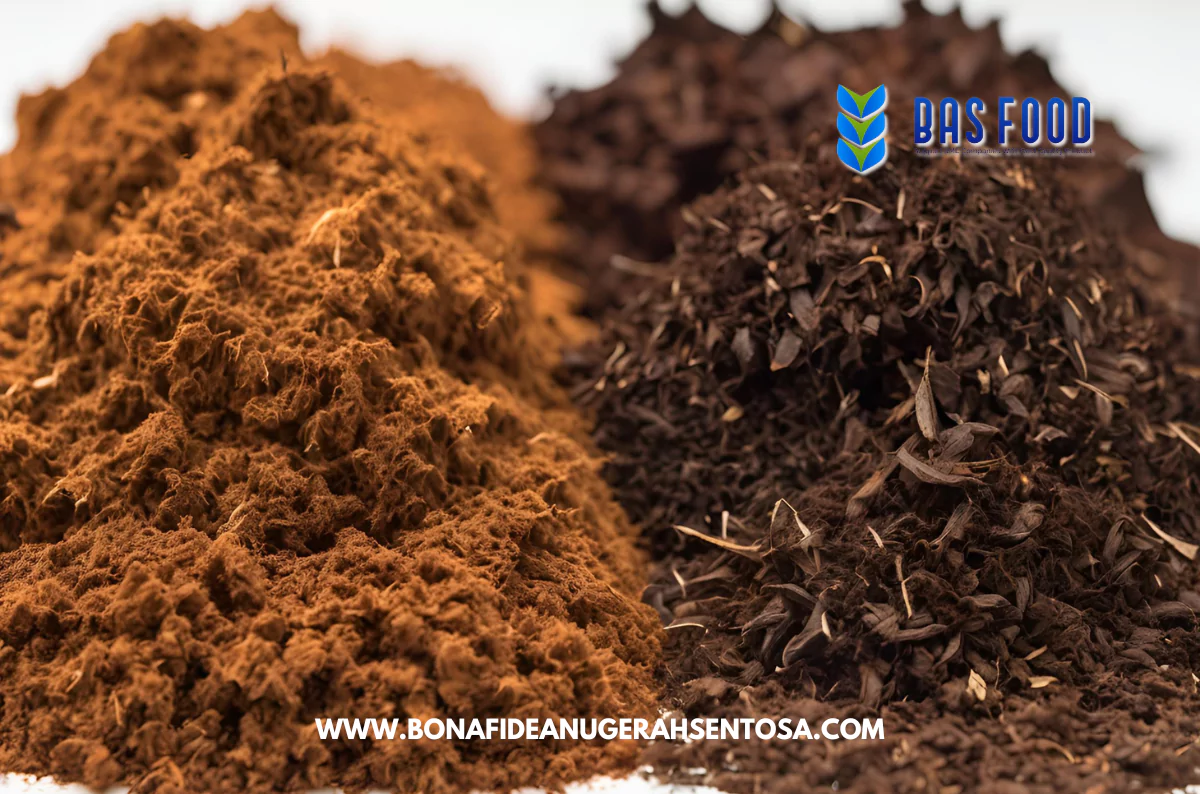
- Texture & Consistency: Premium coco peat is uniform, with a fine, soft texture and minimal coarse fibers.
- Color: High-quality coco peat has a rich brown color, indicating proper aging and processing.
- EC (Electrical Conductivity) & pH Balance: Premium coco peat has a low EC (0.5 mS/cm or lower) and a pH of 5.5 to 6.5, ensuring compatibility with plant growth.
Physical and Chemical Indicators of Premium Coco Peat
- Low EC Value: Salt-free coco peat prevents soil salinity issues that can harm plant roots.
- Minimal Fine Dust: Excess dust in low-quality coco peat can lead to compaction and poor aeration.
- Consistent Fiber Content: Properly processed coco peat contains a balanced mix of coir fibers and fine particles.
How to Test Coco Peat Quality Before Purchase
- Water Absorption Test: Soak a sample in water and observe its expansion rate. Premium coco peat expands significantly and retains moisture well.
- EC and pH Testing: Use a digital EC meter and pH meter to measure salt content and acidity.
- Visual Inspection: Check for contaminants like wood chips, sand, or foreign materials.
Common Issues with Low-Quality Coco Peat
- Excess Salt Content: Poorly processed coco peat may contain high sodium levels, which can negatively impact plant health.
- Presence of Contaminants: Low-quality coco peat often includes unwanted elements like sand, stones, and even mold spores.
- Slow Expansion & Poor Moisture Retention: Inferior coco peat does not absorb water efficiently, leading to dry patches in the growing medium.
Choosing a Reliable Coco Peat Supplier
Sourcing coco peat from a trustworthy supplier ensures product quality and consistency, preventing issues associated with low-quality materials. Premium vs. low-quality coco peat can significantly impact plant health, with the former providing better water retention, aeration, and nutrient absorption. Choosing a reputable supplier helps you avoid inconsistencies, excess salt content, and potential contaminants that may hinder crop growth.
Why Choose CV Bonafide Anugerah Sentosa?
- Expertise in Exporting Coco Peat & Coconut Sugar: With years of experience in the coconut industry, CV Bonafide Anugerah Sentosa provides premium-grade coco peat suitable for agriculture and industrial applications.
- Quality Assurance: Their products undergo strict quality control to ensure low EC levels, proper aging, and zero contaminants.
- Global Exporter: They cater to international markets, supplying high-quality coco peat for horticulture, hydroponics, and industrial use.
Conclusion
Identifying premium vs. low-quality coco peat is essential for successful agricultural and horticultural applications. High-quality coco peat provides superior water retention, aeration, and nutrient absorption, ensuring optimal plant growth. On the other hand, low-quality coco peat often contains contaminants and high salt levels, leading to poor soil structure and reduced yields.
Don’t compromise on quality when it comes to your crops and soil health. Choose a trusted supplier like CV Bonafide Anugerah Sentosa for premium-grade coco peat that guarantees consistency and top-tier performance. Contact them today and take the next step toward sustainable and productive farming! Contact them today and take the next step toward sustainable and productive farming! Reach out via WhatsApp: +6282134505737.