
Whether you own a bakery, develop food products, or simply love baking, choosing the right sweetener can make a big difference. While refined white sugar has been the standard for decades, many professional bakers and food manufacturers are now exploring natural alternatives that offer more than just sweetness.
One ingredient that continues to gain attention is palm sugar in baking. It delivers a rich caramel-like flavor, blends well into many recipes, and meets the growing consumer demand for natural food ingredients. As customers become more interested in clean-label products, palm sugar has become an attractive option for bakeries, cafés, and food brands around the world.
For B2B buyers, understanding how palm sugar performs in baked products is important before choosing a supplier. From cookies and cakes to artisan bread and premium desserts, palm sugar can improve both flavor and product positioning.
In this guide, we’ll explain everything you need to know about palm sugar in baking, including its benefits, applications, baking tips, and how to choose a reliable palm sugar exporter for your business.
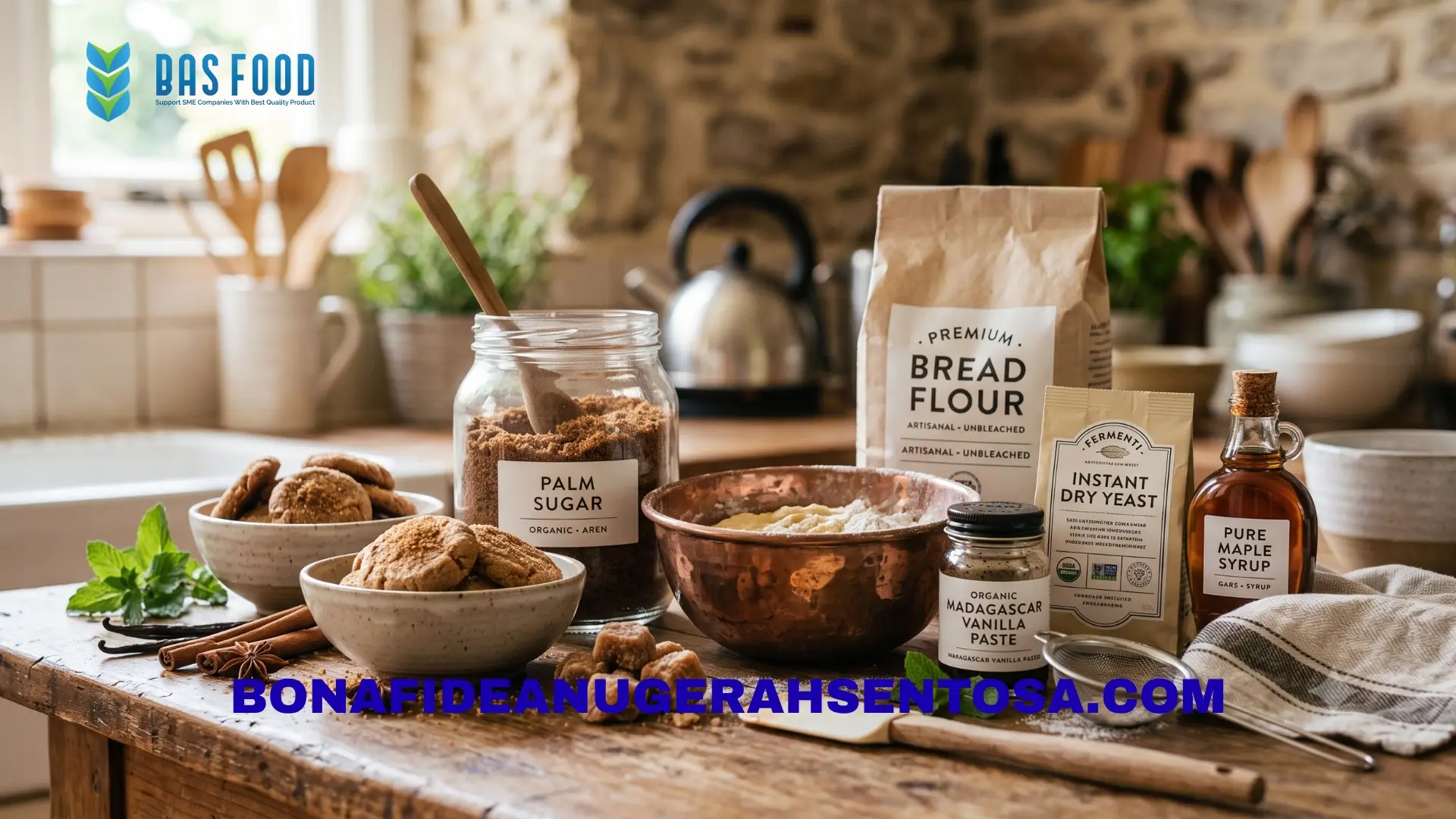
Why Palm Sugar Is Becoming Popular in Baking
The baking industry is constantly changing. Consumers no longer buy products based only on taste. Today, they also pay attention to ingredients, sourcing, sustainability, and product labels.
Because of this shift, many bakeries have started replacing refined sugar with natural sweeteners whenever possible. Palm sugar fits this trend perfectly because it comes from the sap of palm tree flowers rather than highly processed sugar cane.
Another reason for its popularity is flavor. Unlike white sugar, palm sugar offers a warm caramel taste with subtle notes of toffee and molasses. This creates baked goods with deeper flavor profiles without adding artificial ingredients.
Professional bakers also appreciate its versatility. Palm sugar works well in many bakery ingredients combinations and can be incorporated into traditional recipes with only minor adjustments.
Furthermore, premium food brands often use palm sugar to differentiate their products in competitive markets. Consumers frequently associate natural ingredients with higher quality, making baked goods more appealing.
Understanding Palm Sugar as a Baking Ingredient
Although people often use the terms interchangeably, there are several types of palm sugar available globally. They may come from coconut palm, aren palm, date palm, or palmyra palm.
Each variety has slightly different characteristics. However, most commercial baking applications use granulated palm sugar because it is easy to measure, mix, and store.
Palm sugar contains natural sugars along with small amounts of naturally occurring minerals. While it should still be consumed in moderation like any sweetener, many food manufacturers appreciate its less refined production process.
For industrial baking, manufacturers usually select palm sugar based on:
- Color consistency
- Moisture level
- Granule size
- Solubility
- Flavor intensity
- Shelf stability
Working with a trusted palm sugar supplier helps ensure these specifications remain consistent from one shipment to another.
Why Palm Sugar Works Well in Baking
Baking is both science and art. Every ingredient contributes to texture, flavor, moisture, and appearance. Palm sugar performs well because it influences several of these factors at once.
Its natural caramel flavor becomes even richer during baking. As heat develops, palm sugar creates pleasant aromas that enhance the overall eating experience.
At the same time, it contributes attractive golden to brown coloring in baked products. This natural browning makes pastries and breads look more premium.
Palm sugar can also help improve moisture retention in certain recipes. As a result, some baked products stay soft longer than recipes made only with refined sugar.
Because of these qualities, professional bakers often use palm sugar when developing premium product lines.
Palm Sugar in Cookies: Rich Flavor in Every Bite
Among all baked products, cookies are probably the easiest place to start using palm sugar.
Palm sugar creates cookies with:
- Rich caramel flavor
- Pleasant golden color
- Slightly chewy texture
- Balanced sweetness
- Homemade appearance
Chocolate chip cookies become more flavorful because the caramel notes complement chocolate exceptionally well.
Oatmeal cookies also benefit from palm sugar. Instead of tasting simply sweet, they develop a more rounded flavor that pairs nicely with cinnamon, vanilla, raisins, and nuts.
Shortbread cookies become richer without needing artificial flavor enhancers.
Many artisan cookie brands now highlight palm sugar directly on their packaging because customers recognize it as a premium ingredient.
Baking Delicious Cakes with Palm Sugar
Cakes depend heavily on ingredient balance. Sugar affects sweetness, moisture, softness, and structure.
Fortunately, palm sugar in baking works beautifully in many cake recipes.
Popular applications include:
- Sponge cakes
- Butter cakes
- Banana cakes
- Carrot cakes
- Pound cakes
- Muffins
- Cupcakes
Palm sugar especially shines in recipes that already contain warm flavors like cinnamon, nutmeg, chocolate, coffee, or vanilla.
Its caramel notes naturally blend with these ingredients rather than competing against them.
However, because palm sugar has a darker color than refined sugar, finished cakes usually appear slightly darker. Many bakers consider this an advantage because it creates a homemade, rustic appearance.
Palm Sugar as a Bread Sweetener
Bread recipes often require only small amounts of sugar, yet that sugar still plays an important role.
Using palm sugar as a bread sweetener provides several advantages.
First, it feeds yeast during fermentation, helping dough develop properly.
Second, it contributes attractive crust coloring during baking.
Third, it adds subtle caramel flavor that works especially well in:
- Whole wheat bread
- Brioche
- Dinner rolls
- Sandwich bread
- Cinnamon bread
- Multigrain bread
- Sweet buns
Artisan bakeries often prefer palm sugar because it supports handcrafted product positioning while delivering consistent baking performance.
Palm Sugar in Pastries and Specialty Bakery Products
Palm sugar is not limited to breads and cakes.
It also performs well in many specialty bakery products.
Examples include:
- Croissants
- Danish pastries
- Sweet rolls
- Cinnamon buns
- Fruit tarts
- Brownies
- Blondies
- Granola bars
- Energy bars
Its caramel flavor complements butter, chocolate, nuts, dried fruit, coffee, and spices.
Premium dessert manufacturers frequently use palm sugar to create products with distinctive flavor profiles that stand out in retail stores.
Baking Tips for Better Results
Switching from refined sugar to palm sugar is usually straightforward, but a few adjustments can improve results.
First, consider the moisture level. Some palm sugars contain slightly more natural moisture than refined sugar.
Second, evaluate the sweetness level. Palm sugar may taste slightly less sweet because its flavor is more complex.
Third, pay attention to color. Since palm sugar is naturally brown, baked goods become darker more quickly.
Professional bakers often perform small test batches before full-scale production.
This allows recipe adjustments without affecting product quality.
It is also helpful to work with suppliers that provide consistent product specifications throughout the year.
Choosing High-Quality Palm Sugar for Commercial Baking
Not all palm sugar offers the same performance.
Commercial bakeries should evaluate several quality factors before purchasing.
Important considerations include:
- Uniform granule size
- Low moisture content
- Clean flavor
- Natural color consistency
- Good solubility
- Stable shelf life
- Food safety certifications
- Reliable export packaging
Consistency becomes even more important for industrial production because small ingredient variations can affect thousands of finished products.
A dependable palm sugar supplier should provide technical specifications, product documentation, and quality assurance reports when requested.
Why Partner with a Reliable Palm Sugar Exporter
International buyers need more than quality products. They also need dependable supply chains.
A professional palm sugar exporter understands international shipping requirements, export documentation, and food safety standards.
Reliable exporters typically offer:
- Bulk packaging
- Private label options
- OEM services
- Stable production capacity
- Quality control
- International certifications
- Timely delivery
- Responsive communication
These factors reduce supply risks and help manufacturers maintain consistent production schedules.
Long-term partnerships also make forecasting easier, allowing bakeries to plan inventory more efficiently.
Coconut Sugar Supplier vs Palm Sugar Supplier: What’s the Difference?
Many international buyers search for both a coconut sugar supplier and a palm sugar supplier because the products are closely related.
Coconut sugar is one type of palm sugar produced specifically from coconut blossom sap.
Meanwhile, the broader term “palm sugar” may include sugar made from aren palms, palmyra palms, or date palms.
Both products work well in baking, although flavor profiles may differ slightly depending on the botanical source.
When selecting a supplier, buyers should verify:
- Botanical origin
- Processing method
- Organic availability
- Particle size
- Packaging options
- Food safety compliance
- Export experience
This information ensures the ingredient matches product development goals.
The Future of Palm Sugar in Baking
The demand for natural ingredients continues to grow worldwide.
Consumers increasingly prefer products made with recognizable ingredients rather than heavily processed alternatives.
Because of this trend, palm sugar in baking is expected to remain an important ingredient for artisan bakeries, industrial manufacturers, cafés, and premium food brands.
Innovation will likely expand beyond traditional baked goods into protein snacks, breakfast products, functional foods, and ready-to-eat desserts.
Manufacturers that adopt high-quality palm sugar today may gain an advantage as consumer preferences continue shifting toward natural sweeteners.
For B2B buyers, working with an experienced palm sugar exporter ensures access to consistent quality, reliable supply, and ingredients that meet modern market expectations.
Whether you produce cookies, artisan breads, premium cakes, or large-scale commercial bakery products, palm sugar offers an excellent balance of flavor, functionality, and market appeal.
Frequently Asked Questions (FAQs)
Can palm sugar replace white sugar in baking?
Yes. In many recipes, palm sugar can replace white sugar. However, small adjustments may be needed for moisture, sweetness, and baking time to achieve the desired results.
Does palm sugar change the flavor of baked goods?
Yes. Palm sugar adds subtle caramel and toffee notes that create a richer and more complex flavor than refined white sugar.
Is palm sugar suitable for commercial bakeries?
Absolutely. Many commercial bakeries use palm sugar in cookies, cakes, pastries, muffins, and bread. Consistent quality from a reliable supplier is essential for large-scale production.
Which bakery products work best with palm sugar?
Palm sugar performs well in cookies, cakes, muffins, brownies, artisan bread, sweet buns, granola bars, and many other baked products.
What should I look for in a palm sugar exporter?
Choose an exporter with consistent product quality, food safety certifications, export experience, bulk packaging options, reliable logistics, and responsive customer support.
Conclusion
Using palm sugar in baking is more than following a food trend. It is a practical way to create baked goods with richer flavor, attractive color, and natural ingredient appeal. From cookies and cakes to artisan bread and specialty pastries, palm sugar enhances both taste and product value while supporting the growing demand for clean-label foods.
For commercial bakeries, food manufacturers, distributors, and private-label brands, selecting a trusted palm sugar supplier or experienced palm sugar exporter is just as important as choosing the right recipe. A reliable partner can provide consistent quality, stable supply, and export-ready products that meet international standards. Businesses that also source from a dependable coconut sugar supplier can expand their product portfolio and offer a wider range of natural sweeteners to customers worldwide.