
Every great sauce has one thing in common: balance. Whether it is a sweet barbecue glaze, a savory stir-fry sauce, a spicy dipping sauce, or a gourmet marinade, the right balance of sweetness, acidity, saltiness, and umami creates unforgettable flavor. For decades, many food manufacturers relied on refined white sugar to add sweetness. However, consumer preferences are changing. Today, people want products made with natural ingredients, authentic flavors, and clean labels. As a result, manufacturers are looking for alternative sweeteners that improve both taste and product value.
One ingredient gaining worldwide attention is palm sugar. Produced from the sap of palm tree blossoms, palm sugar delivers natural sweetness along with rich caramel notes that enhance both traditional and modern sauce recipes.
The growing demand for palm sugar for sauces reflects the food industry’s movement toward premium ingredients and authentic flavor profiles. From Asian cooking sauces to barbecue glazes and gourmet dressings, palm sugar offers functionality that goes far beyond sweetness.
For B2B buyers, understanding how palm sugar performs during commercial sauce production is essential before selecting a supplier. In this guide, you’ll discover the benefits of palm sugar for sauces, its applications in food processing, formulation tips, and how to choose a reliable palm sugar exporter for long-term success.
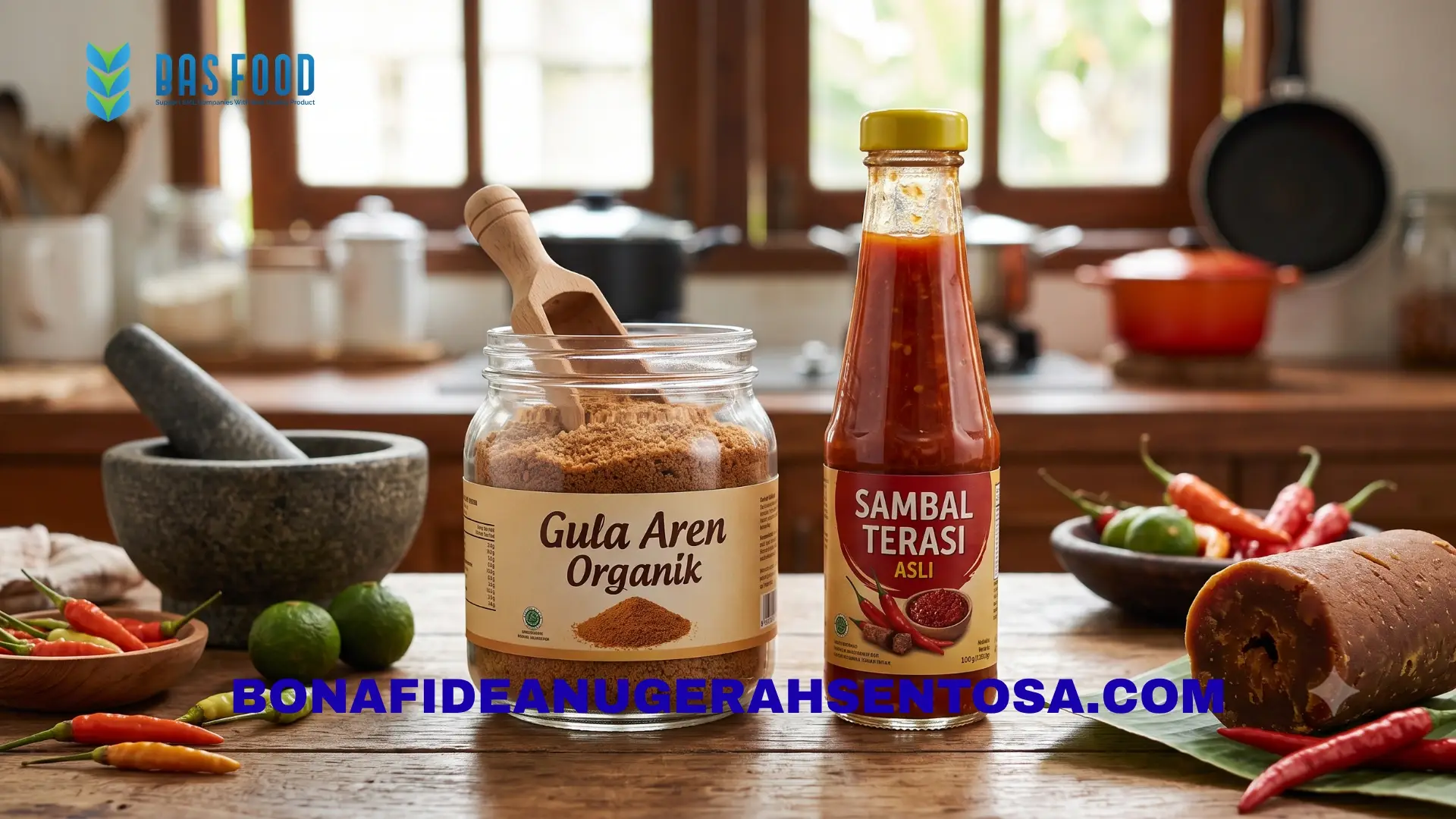
Why Palm Sugar Is Becoming a Preferred Sweetener for Sauces
The global sauce market continues to grow as consumers explore new cuisines and flavors. At the same time, shoppers are paying closer attention to ingredient labels. They increasingly prefer recognizable ingredients over highly refined alternatives.
Palm sugar fits perfectly into this trend. Since it comes from natural palm sap, many consumers associate it with traditional cooking and authentic recipes.
Unlike refined white sugar, palm sugar contributes a deeper flavor profile. Its mild caramel, toffee, and molasses notes blend naturally with herbs, spices, vinegar, soy sauce, citrus, garlic, and chili peppers.
This flavor complexity allows sauce manufacturers to create products that taste richer without relying heavily on artificial flavor enhancers.
In premium product categories, using palm sugar can also strengthen brand positioning by highlighting the use of natural ingredients.
Understanding Palm Sugar as a Seasoning Ingredient
Sweeteners play a much larger role than simply making sauces taste sweet.
In commercial formulations, they influence flavor balance, color, viscosity, texture, aroma, and shelf stability.
As a seasoning ingredient, palm sugar performs exceptionally well because it integrates smoothly with both savory and sweet recipes.
During cooking, palm sugar dissolves easily and develops rich caramel aromas. These characteristics enhance the overall sensory experience while helping sauces achieve a more rounded taste.
Manufacturers typically evaluate palm sugar based on several quality specifications:
- Moisture content
- Granule size
- Color consistency
- Solubility
- Flavor profile
- Shelf stability
- Food safety compliance
Working with a dependable palm sugar supplier helps ensure these specifications remain consistent from batch to batch.
Palm Sugar in Barbecue Sauces
Barbecue sauces rely on balanced sweetness to complement smoky, spicy, and tangy flavors.
Palm sugar performs beautifully in these recipes because it creates a smooth sweetness rather than an overly sharp sugary taste.
Its natural caramel flavor pairs especially well with:
- Tomato paste
- Smoked paprika
- Garlic
- Black pepper
- Mustard
- Apple cider vinegar
- Worcestershire sauce
During cooking, palm sugar also contributes attractive color development, giving barbecue sauces a rich appearance that consumers associate with premium quality.
Manufacturers developing gourmet barbecue products often choose palm sugar to create distinctive flavor profiles that stand out on retail shelves.
Palm Sugar for Marinades That Build Flavor
One of the fastest-growing applications for palm sugar for sauces is in marinades.
Marinades combine sweet, salty, acidic, and aromatic ingredients to improve flavor before cooking.
Palm sugar works particularly well because it balances acidic ingredients such as vinegar, citrus juice, and fermented sauces.
Popular marinade applications include:
- Chicken marinades
- Beef marinades
- Seafood marinades
- Plant-based protein marinades
- Barbecue marinades
- Teriyaki marinades
- Asian-style marinades
Its caramel notes also complement spices like ginger, garlic, cumin, coriander, turmeric, and black pepper.
When proteins are grilled or roasted, palm sugar supports beautiful browning while creating appetizing aromas.
Asian Sauces and Traditional Recipes
Palm sugar has been used in Asian cooking for generations.
Its authentic flavor makes it an essential ingredient in many traditional recipes throughout Southeast Asia.
Examples include:
- Sweet soy sauce
- Peanut sauce
- Satay sauce
- Tamarind sauce
- Chili sauce
- Curry sauce
- Pad Thai sauce
- Stir-fry sauce
Because palm sugar naturally balances spicy, sour, and salty ingredients, it creates sauces with remarkable depth of flavor.
Modern manufacturers continue using palm sugar to preserve authentic taste while meeting growing international demand for Asian-inspired foods.
Palm Sugar in Salad Dressings and Dipping Sauces
Palm sugar is equally effective in cold sauce applications.
Salad dressings often require sweetness to balance vinegar, mustard, herbs, and citrus.
Palm sugar provides gentle sweetness without overwhelming delicate flavors.
It performs well in:
- Honey-style dressings
- Asian sesame dressing
- Ginger dressing
- Citrus vinaigrettes
- Peanut dressing
- Sweet chili dipping sauce
- Garlic dipping sauce
- Herb sauces
Consumers appreciate these products because palm sugar creates a smoother and more natural flavor compared to refined sugar.
Why Palm Sugar Supports Modern Food Processing
Large-scale food processing requires ingredients that perform consistently throughout manufacturing.
Manufacturers need sweeteners that dissolve efficiently, remain stable during heating, and maintain product quality during storage.
Palm sugar offers several advantages.
Its granulated form mixes easily into liquid formulations and blends well with spices and seasonings.
During thermal processing, it contributes pleasant caramelization while maintaining balanced sweetness.
Manufacturers also appreciate its compatibility with automated production systems.
Whether producing thousands or millions of bottles annually, ingredient consistency remains essential for maintaining product quality.
Product Development Tips for Palm Sugar Sauces
Replacing refined sugar with palm sugar is often straightforward, but product developers should still perform formulation trials.
Every sauce recipe has unique requirements depending on ingredients and processing methods.
Manufacturers should evaluate:
- Sweetness intensity
- Flavor balance
- Dissolution speed
- Color development
- Product viscosity
- Shelf life
- Heat stability
- Packaging compatibility
Because palm sugar naturally contains brown pigments, finished sauces may appear darker.
For premium barbecue sauces, Asian sauces, and gourmet marinades, this characteristic often enhances visual appeal.
Pilot-scale testing allows manufacturers to optimize formulations before full commercial production.
Choosing High-Quality Palm Sugar for Commercial Sauce Production
Ingredient quality directly affects finished product consistency.
Commercial sauce manufacturers should carefully evaluate suppliers before making purchasing decisions.
Important considerations include:
- Uniform granule size
- Stable moisture content
- Consistent caramel flavor
- Reliable color
- Food safety certifications
- Batch traceability
- Laboratory testing
- Export-ready packaging
A trusted palm sugar supplier provides technical specifications and quality documentation to support commercial manufacturing.
This consistency helps manufacturers maintain product quality across multiple production cycles.
Palm Sugar Exporter vs Coconut Sugar Supplier: Understanding Your Options
Many international buyers search for both a palm sugar exporter and a coconut sugar supplier because both products belong to the same family of natural sweeteners.
Coconut sugar is produced specifically from coconut blossom sap, while palm sugar may also come from aren, palmyra, or other palm species.
Both ingredients perform well in sauce manufacturing, although each offers slightly different flavor characteristics.
Before selecting a supplier, buyers should verify:
- Botanical source
- Production process
- Moisture specifications
- Particle size
- Food safety certifications
- Organic certification availability
- Packaging options
- Export experience
Choosing the right supplier ensures ingredient consistency and supports successful product development.
Why Long-Term Supplier Partnerships Matter
For food manufacturers, sourcing is about much more than price.
Reliable ingredient partners help maintain production schedules, consistent quality, and customer satisfaction.
An experienced palm sugar exporter typically offers:
- Bulk packaging
- Private label support
- OEM manufacturing
- Export documentation
- International certifications
- Stable production capacity
- Quality assurance systems
- Responsive customer service
These services reduce supply chain risks while supporting long-term business growth.
Strong supplier relationships also make inventory planning and production forecasting much easier.
The Future of Palm Sugar for Sauces
Consumer demand for authentic, naturally flavored foods continues to grow around the world.
Manufacturers are responding by creating sauces that feature recognizable ingredients, premium flavors, and clean-label positioning.
As a result, palm sugar for sauces is expected to become increasingly important across multiple product categories.
Future innovation will likely include:
- Premium barbecue sauces
- Organic marinades
- Plant-based cooking sauces
- Functional condiment products
- Asian-inspired gourmet sauces
- Ready-to-use cooking sauces
- Retail dipping sauces
- Foodservice seasoning blends
Businesses that invest in high-quality palm sugar today will be well positioned to meet changing consumer expectations tomorrow.
Working with a dependable palm sugar supplier, experienced palm sugar exporter, or trusted coconut sugar supplier ensures access to consistent ingredients that support long-term product innovation and international growth.
Frequently Asked Questions
What is palm sugar used for in sauces?
Palm sugar adds balanced sweetness, caramel flavor, and natural color to sauces. It is commonly used in barbecue sauces, Asian sauces, dipping sauces, salad dressings, and marinades.
Why is palm sugar better than refined sugar for sauces?
Palm sugar offers a richer flavor profile with notes of caramel and toffee. It enhances overall flavor complexity rather than providing only sweetness.
Can palm sugar be used in commercial food processing?
Yes. Palm sugar performs well in food processing because it dissolves efficiently, remains stable during cooking, and provides consistent flavor when sourced from a reliable supplier.
What sauces work best with palm sugar?
Palm sugar is ideal for barbecue sauces, teriyaki sauces, peanut sauces, chili sauces, curry sauces, salad dressings, dipping sauces, and marinades.
What should I look for in a palm sugar exporter?
Choose an exporter with consistent product quality, food safety certifications, export experience, reliable logistics, technical documentation, and flexible packaging options.
Conclusion
The growing popularity of palm sugar for sauces reflects today’s demand for authentic flavors, natural ingredients, and premium food products. Whether used as a seasoning ingredient in barbecue sauces, blended into flavorful marinades, or incorporated into large-scale food processing operations, palm sugar delivers a unique combination of sweetness, caramel depth, and excellent functionality.
For B2B manufacturers, selecting the right sourcing partner is just as important as developing the perfect recipe. A reliable palm sugar supplier can provide consistent quality, while an experienced palm sugar exporter ensures dependable logistics and export-ready solutions for international markets. Companies looking to broaden their natural sweetener portfolio may also benefit from working with a trusted coconut sugar supplier to support diverse product development needs.
As consumers continue to seek sauces made with recognizable ingredients and richer flavors, palm sugar is poised to play an even greater role in the future of global sauce manufacturing.