
MCT coconut oil has become a high-demand functional oil in the food, nutraceutical, pharmaceutical, and cosmetic industries. However, not all MCT oils are created equal. To ensure product consistency, performance, and regulatory compliance, buyers and manufacturers rely heavily on the key specifications of MCT coconut oil, especially fatty acid profile and clarity.
This article provides a clear, technical explanation of what those specifications mean, why they matter, and how they affect product quality.
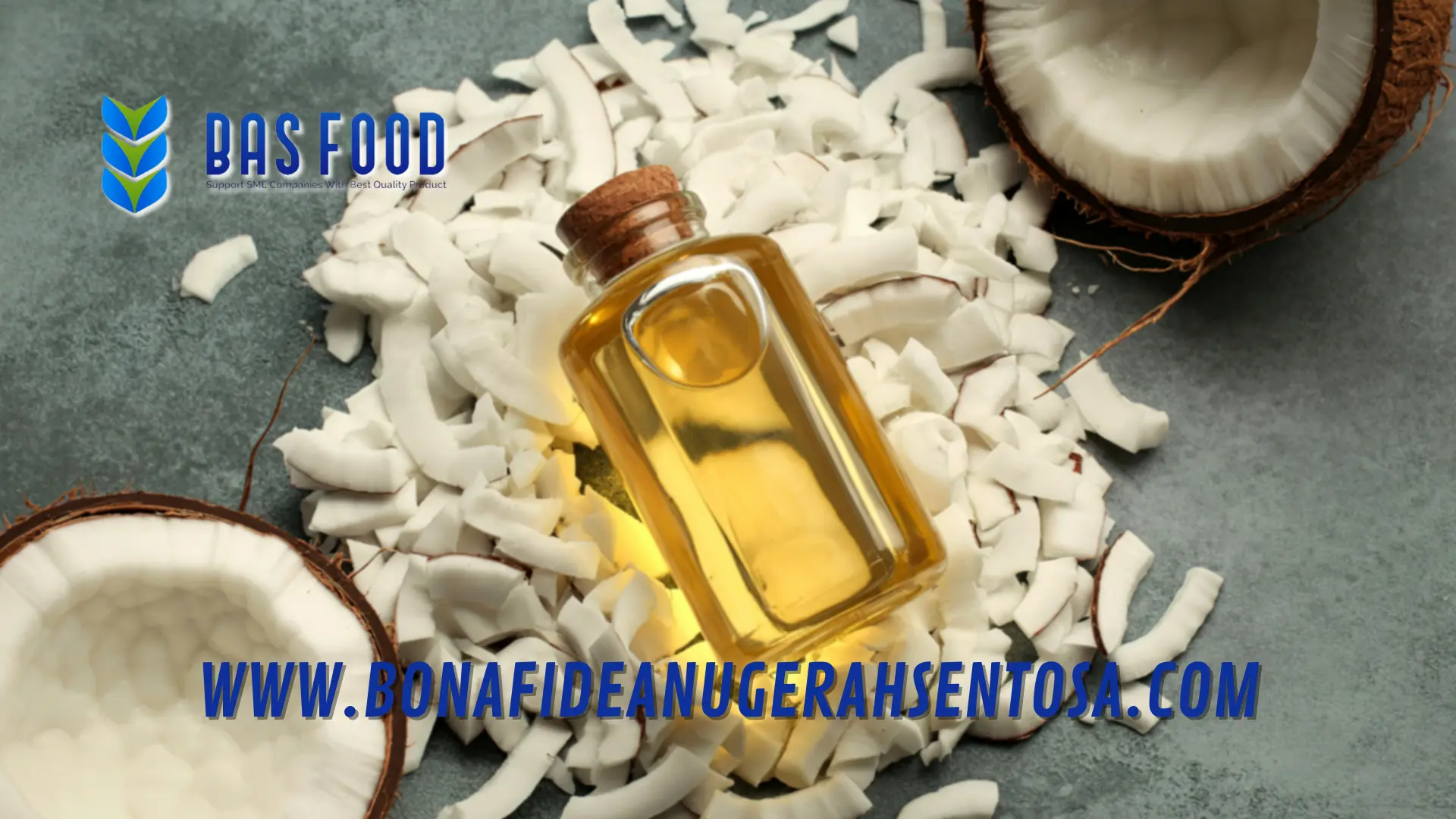
Introduction to MCT Coconut Oil
MCT (Medium-Chain Triglyceride) coconut oil is a refined oil derived from coconut oil, specifically processed to isolate medium-chain fatty acids. Unlike virgin coconut oil, MCT oil is colorless, odorless, and remains liquid at low temperatures.
It is widely used in:
- Functional foods & beverages
- Dietary supplements
- Medical nutrition
- Sports nutrition
- Cosmetics & personal care
To meet these applications, MCT coconut oil must meet strict technical specifications.
What Defines MCT Coconut Oil Specifications
Specifications describe measurable, verifiable properties of the oil. The most critical parameters include:
- Fatty acid composition
- Visual clarity
- Color and odor
- Moisture and impurities
- Oxidative stability
Among these, fatty acid profile and clarity are considered the primary quality indicators.
Fatty Acid Profile of MCT Coconut Oil
The fatty acid profile defines what types of fatty acids are present and in what percentage. This is the single most important specification for MCT oil.
Core Medium-Chain Fatty Acids
| Fatty Acid | Carbon Chain | Typical Content |
|---|---|---|
| Caprylic Acid | C8:0 | 50–80% |
| Capric Acid | C10:0 | 20–50% |
| Caproic Acid | C6:0 | ≤2% |
| Lauric Acid | C12:0 | ≤2% |
High-quality MCT coconut oil is rich in C8 and C10, while long-chain fatty acids are almost completely removed.
Why C8 and C10 Matter
Caprylic Acid (C8)
- Rapidly absorbed
- Fast energy conversion
- Preferred in ketogenic and medical nutrition
Capric Acid (C10)
- Slightly slower metabolism
- Supports sustained energy
- Adds functional balance
Because of these properties, many buyers specify:
- C8 ≥ 60% for premium MCT oil
- C8/C10 blends for balanced formulations
⚠️ High lauric acid (C12) content indicates poor fractionation and is often considered non-compliant for true MCT oil.
Analytical Testing for Fatty Acid Profile
Fatty acid composition is verified using:
- Gas Chromatography (GC-FID)
- Certificate of Analysis (COA)
A compliant COA will list each fatty acid with exact percentages, ensuring batch consistency and regulatory acceptance.
Clarity Specification and Visual Quality
Clarity refers to the visual transparency of MCT oil under specified conditions. High-quality MCT coconut oil should be:
- Crystal clear
- Free from haze or sediment
- Transparent at room temperature
- Typical Clarity Requirement
- Clear at 20–25°C
- No turbidity after standing
- No phase separation
Clarity is especially important for beverages, softgels, and cosmetics, where appearance directly affects consumer perception.
Factors Affecting Clarity in MCT Oil
1. Residual Long-Chain Fatty Acids
Incomplete removal of C12+ fatty acids can cause:
- Cloudiness
- Solidification at lower temperatures
2. Improper Fractionation
Poor distillation or fractionation techniques result in:
- Inconsistent triglyceride composition
- Visual instability
3. Moisture or Impurities
Water contamination or trace solids can lead to:
- Haze formation
- Reduced shelf stability
4. Low Temperature Exposure
Even compliant MCT oil may appear slightly cloudy below 10°C, but should return to clarity when warmed.
Additional Key Specifications to Monitor
Although fatty acid profile and clarity are primary, buyers also check:
Color
- Colorless to pale yellow
- Measured in Lovibond or visual scale
Odor & Taste
- Neutral
- No coconut aroma
- No rancid or chemical notes
Moisture Content
- ≤0.1%
- Prevents microbial growth
Peroxide Value
- Indicates oxidation level
- Typically ≤1.0 meq O₂/kg
These parameters support shelf life, safety, and performance.
Why Specifications Matter for Buyers and Brands
Clear specifications protect:
- Brand reputation
- Regulatory compliance
- Formulation consistency
For B2B buyers, specifications determine whether MCT oil is suitable for:
- Beverages (clarity critical)
- Capsules (oxidative stability)
- Medical foods (C8 purity)
Failing to meet specifications can lead to product recalls, formulation failure, or consumer complaints.
Conclusion
The quality of MCT coconut oil is defined not by marketing claims, but by measurable technical specifications. Among these, fatty acid profile and clarity are the most critical indicators of purity, performance, and suitability for functional applications.
High-quality MCT coconut oil should:
- Be dominated by C8 and C10 fatty acids
- Be crystal clear at room temperature
- Show consistency across batches
🧪 If you source, formulate, or sell MCT oil, understanding these specifications is essential for making informed and confident decisions.
Contact CV Bonafide Anugerah Sentosa how we can provide the best solutions for you. WhatsApp: +62 8213 4505 737, Email: info@bonafideanugerahsentosa.com / bas.mdir@gmail.com.