
The global demand for coconut sugar has been rising as sugar has been a global staple for centuries, but the type of sweetener people want is evolving fast. Today, more consumers are seeking natural, sustainable, and healthier options — and coconut sugar is emerging as a favorite. Known for its caramel-like flavor and low glycemic index, this tropical sweetener is quickly becoming a global phenomenon.
Over the past decade, the global demand for coconut sugar has grown rapidly, driven by shifting lifestyles, health awareness, and environmental consciousness. Once a humble village product made by Indonesian farmers, coconut sugar is now exported to major markets like the United States, the European Union, Japan, and Australia.
At the heart of this growth are producers like CV Bonafide Anugerah Sentosa, a trusted coconut, spices, and fishery supplier from Indonesia, who connect traditional farming communities with the global marketplace. Let’s explore why coconut sugar is now one of the most talked-about natural sweeteners worldwide.
The Rise of Natural Sweetener Trends
Health and wellness have become central themes in modern food culture. As consumers move away from refined white sugar and artificial sweeteners, natural sweetener trends have taken center stage. People now read labels more carefully, choosing ingredients that are both natural and sustainable.
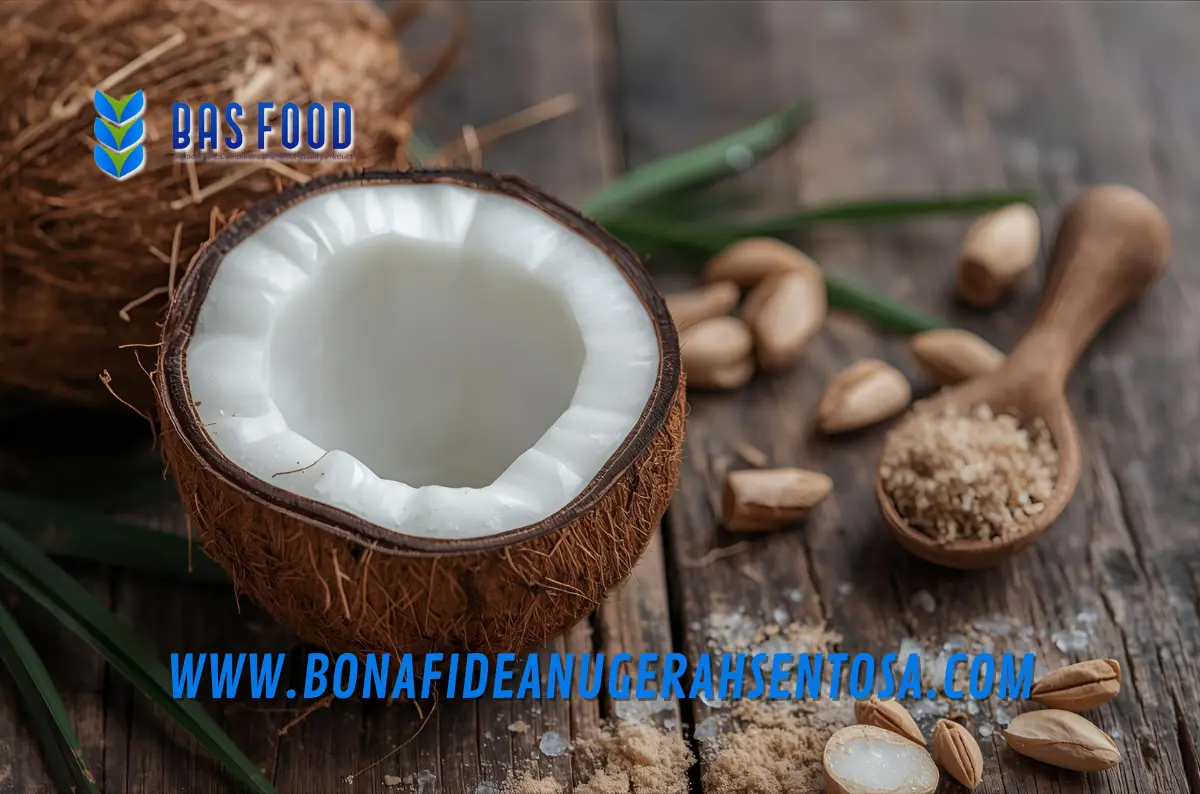
Coconut sugar perfectly fits this movement. It’s produced from the sap of coconut blossoms, with minimal processing and no chemical additives. Compared to conventional sugar, it retains minerals like potassium, iron, and zinc. These small but important nutritional advantages give it an edge among health-conscious buyers.
Moreover, the trend toward plant-based and organic products in Europe and North America continues to fuel the global demand for coconut sugar. Retailers now highlight coconut sugar in baking ingredients, snack bars, beverages, and even gourmet sauces. It’s not just a sweetener — it’s a lifestyle choice aligned with cleaner eating and eco-friendly values.
Coconut Sugar Popularity in Global Markets
Coconut sugar’s appeal isn’t limited to one region; it’s a worldwide trend. Its popularity spans across diverse food markets — from vegan bakeries in Los Angeles to organic supermarkets in Berlin and tea houses in Tokyo. The product’s versatility makes it ideal for both traditional and modern culinary uses.
In Western markets, coconut sugar is often promoted as a healthy sugar alternative. Food brands use it to create “natural” versions of popular snacks, cereals, and beverages. In Asia-Pacific, especially Japan and South Korea, it’s gaining recognition for its subtle taste and compatibility with both hot and cold drinks.
Importers in these regions are increasingly sourcing coconut sugar from Indonesia, the Philippines, and Thailand — with Indonesia standing out as the largest and most consistent supplier. Thanks to exporters like CV Bonafide Anugerah Sentosa, buyers can access premium-quality, traceable, and sustainably produced coconut sugar that meets international standards.
Understanding the Sustainable Sweetener Market
Sustainability is more than a marketing trend — it’s a requirement for global trade. The sustainable sweetener market has become a growing segment of the food industry, driven by consumers who want to enjoy sweetness without harming the planet. Coconut sugar production is naturally sustainable, making it an ideal choice for eco-conscious buyers.
Coconut palms are resilient and require little water or fertilizer. They grow on marginal lands where other crops might fail, and they can produce sap for over 20 years. Moreover, harvesting coconut sap doesn’t harm the tree, allowing it to keep producing coconuts. This sustainable cycle supports both biodiversity and long-term livelihoods.
Many global buyers now require certifications like organic, Fair Trade, or Rainforest Alliance. Indonesian producers, including CV Bonafide Anugerah Sentosa, often collaborate with farmer groups to maintain these standards. As a result, coconut sugar sits at the intersection of health, sustainability, and social responsibility — the three pillars of modern food trends.
Healthy Sugar Alternatives and Consumer Awareness
Consumers today are more aware of what goes into their food. The surge in lifestyle-related diseases such as diabetes and obesity has prompted a massive shift toward healthy sugar alternatives. Coconut sugar has gained attention because of its relatively low glycemic index (around 35), meaning it causes a slower rise in blood sugar levels compared to refined sugar.
While coconut sugar isn’t a “diet” product, it’s seen as a smarter option for those seeking balance. It provides sweetness with trace minerals and natural antioxidants, and it lacks the intense processing associated with other sweeteners. This makes it popular among nutritionists, chefs, and wellness advocates alike.
In markets like the USA, the demand for healthy sugar alternatives has pushed major food manufacturers to reformulate products. Coconut sugar has become a top ingredient in health-focused brands. Whether used in organic chocolates or natural fruit jams, it brings both flavor and credibility to clean-label products.
Factors Driving the Global Demand for Coconut Sugar
Several key factors explain why global demand for coconut sugar keeps increasing year after year. The first is health consciousness — consumers simply want healthier options. The second is environmental awareness — people are looking for products that align with sustainable farming.
In addition, the growing vegan and organic food sectors have opened vast new markets for coconut sugar. E-commerce platforms like Amazon and Alibaba now make it easier for small brands to reach international consumers, while bulk buyers such as food manufacturers and distributors rely on suppliers like CV Bonafide Anugerah Sentosa to ensure consistent quality and supply.
Lastly, culinary innovation has played a huge role. Professional chefs and home bakers love coconut sugar for its caramel aroma and its ability to blend well with a variety of dishes, from pastries and marinades to coffee and smoothies. This flavor versatility continues to drive its expansion into both retail and industrial applications.
The Role of Indonesia in Meeting Global Coconut Sugar Demand
Indonesia plays a central role in fulfilling the world’s growing appetite for coconut sugar. With its vast coconut plantations, skilled farmers, and long-standing tradition of coconut sap tapping, the country produces some of the finest coconut sugar on the market.
In regions like Central Java, Kulon Progo, and Banyumas, farmers still follow traditional sap collection methods passed down for generations. These techniques, combined with modern food safety and packaging standards, make Indonesian coconut sugar both authentic and export-ready.
CV Bonafide Anugerah Sentosa is one of the companies bridging this local expertise with international demand. By supporting community-based production, offering training, and maintaining strict quality control, the company ensures that global buyers receive products that meet both ethical and professional expectations.
Indonesia’s consistent supply, high product quality, and reputation for natural production make it the backbone of the sustainable sweetener market worldwide.
Economic Impact and Export Growth
The surge in global demand for coconut sugar has created significant economic opportunities in rural Indonesia. What was once a small-scale household product has transformed into a major export commodity supporting thousands of families.
The export value of coconut sugar continues to rise annually, driven by increasing orders from Europe and North America. Farmers benefit from higher prices compared to other cash crops, and many cooperatives now reinvest profits into education, training, and local infrastructure.
Companies like CV Bonafide Anugerah Sentosa contribute to this positive impact by ensuring fair trade principles. They provide technical assistance, ensure farmers meet certification requirements, and connect them directly with buyers overseas. This sustainable business model creates a chain of shared prosperity — from Indonesian villages to international consumers.
Coconut Sugar Popularity and Product Innovation
As coconut sugar popularity grows, so does product innovation. Beyond granulated sugar, manufacturers now produce coconut syrup, liquid coconut sugar, and even organic blends that cater to specific market preferences. Each variation appeals to different uses in baking, beverages, and food processing.
This product diversity helps expand coconut sugar’s global footprint. In Europe, it’s found in gourmet and organic shops; in the US, it’s part of natural snack brands; and in Japan, it’s used in traditional sweets and health foods. The market is dynamic and expanding.
Suppliers like CV Bonafide Anugerah Sentosa continuously adapt to these changes by offering customized packaging, consistent granule sizes, and private-label options. Their deep understanding of both traditional methods and international expectations helps Indonesian coconut sugar remain at the forefront of the global natural sweetener movement.
The Future of Coconut Sugar in the Global Market
Looking ahead, the global demand for coconut sugar is expected to continue its upward trajectory. Market research forecasts steady growth driven by sustainability goals and clean-label trends in food manufacturing. As more consumers choose plant-based diets, coconut sugar will remain a key player in the natural sweetener category.
The challenge lies in balancing demand with sustainability. Expanding production must not compromise the environment or the livelihood of farmers. That’s where responsible exporters like CV Bonafide Anugerah Sentosa come in — promoting ethical sourcing, quality assurance, and environmental stewardship.
The future looks sweet indeed. With its authentic taste, natural benefits, and sustainable roots, coconut sugar is not just keeping up with global trends — it’s helping define them.
About CV Bonafide Anugerah Sentosa
CV Bonafide Anugerah Sentosa is a trusted Indonesian exporter of coconut products, spices, coffee, and fishery commodities. Based in Yogyakarta, the company partners with local farmers and cooperatives to supply premium coconut sugar and other coconut derivatives to buyers worldwide.
Committed to sustainability and quality, Bonafide Anugerah Sentosa follows traditional coconut sugar production techniques while applying modern food safety standards. This combination of heritage and innovation has positioned the company as one of Indonesia’s leading suppliers in the sustainable sweetener market.
Importers seeking reliable and ethically sourced coconut sugar, desiccated coconut, and related products turn to CV Bonafide Anugerah Sentosa for consistency, traceability, and trust.
Conclusion: A Sweet Future Shaped by Sustainability
The story of global demand for coconut sugar is about more than just sweetness — it’s about transformation. What started as a local craft in Indonesian villages has become a global movement toward healthier, more responsible consumption.
Coconut sugar represents everything modern consumers value: natural origins, environmental balance, and authentic taste. With strong global demand and continuous innovation, it’s set to remain one of the most exciting products in the natural sweetener trends for years to come.
And thanks to producers like CV Bonafide Anugerah Sentosa, this golden sugar from the tropics continues to connect tradition, sustainability, and global opportunity — one sweet spoonful at a time.
Contact CV Bonafide Anugerah Sentosa how we can provide the best solutions for you. WhatsApp: +62 8213 4505 737, Email: info@bonafideanugerahsentosa.com / bas.mdir@gmail.com.