
Coconut sugar has become an interesting ingredient for food manufacturers, beverage brands, retailers, and distributors around the world. While many buyers know coconut sugar as granules, powder, or syrup, moulded coconut sugar offers another way to present and use this natural sweetener. A well-designed custom coconut sugar mould allows manufacturers to create coconut sugar in specific shapes and sizes. Instead of using only traditional round or block forms, businesses can develop shapes that fit their brand, product concept, packaging, or target market.
For B2B buyers, this flexibility can be especially useful. A unique shape can support private labeling, promotional products, hospitality applications, gift sets, foodservice products, and specialty retail. At the same time, the mould needs to work with the physical characteristics of coconut sugar and the production process.
This guide explains what a custom coconut sugar mould is, how it works, what businesses should consider before ordering one, and how it can support private label coconut sugar, custom shape sugar, and OEM coconut sugar programs.
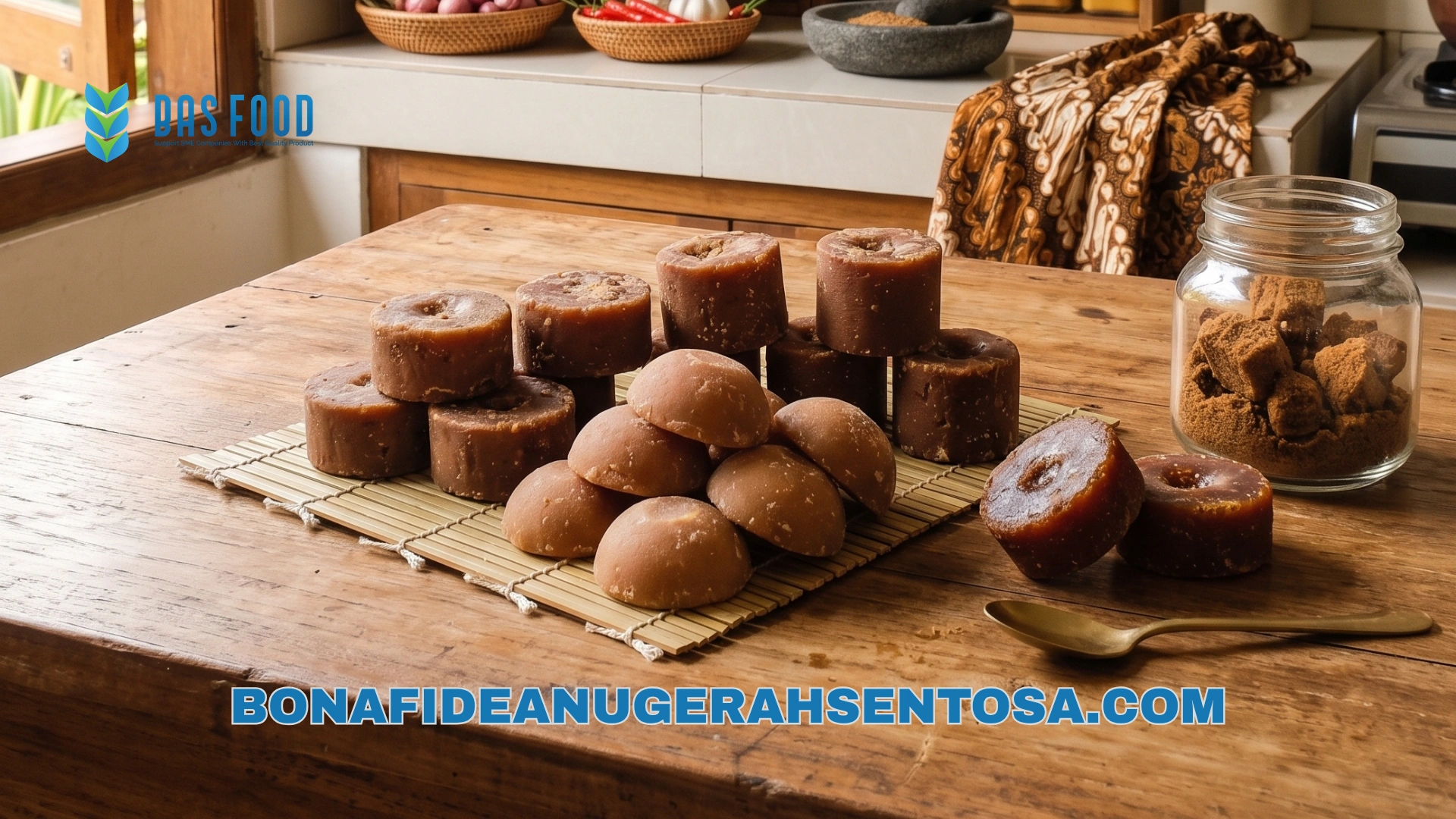
What Is a Custom Coconut Sugar Mould?
A custom coconut sugar mould is a production mould designed to form coconut sugar into a specific shape, size, or weight. Instead of producing only a standard block, manufacturers can use a custom mould to create a product that fits a particular business requirement.
The concept is relatively simple. Coconut sap is processed and concentrated until it reaches the appropriate consistency for moulding. The prepared sugar is then placed into the mould and allowed to set. Once the sugar has formed, it can be removed and prepared for packaging.
However, creating a good mould requires more than simply choosing an attractive shape. The design needs to consider dimensions, depth, weight, release from the mould, handling, packaging, and production consistency.
For that reason, a business planning to develop custom coconut sugar should discuss the mould design with an experienced coconut sugar mould supplier before starting production.
Why Custom Shapes Matter
A standard sugar block is practical, but it may not always communicate a strong brand identity. A distinctive shape can make the product easier to recognize and separate it from competing products.
For example, a hospitality brand could develop a small coconut sugar piece designed for serving with coffee or tea. A specialty food company could create a shape associated with its brand identity. A gift company could also use decorative moulded sugar as part of a premium food collection.
Therefore, a custom mould can become more than a production tool. It can become part of the product’s identity.
How Custom Coconut Sugar Moulds Support Private Label Coconut Sugar
Private label coconut sugar allows a business to sell coconut sugar under its own brand. The supplier handles production while the buyer develops the branding, packaging, and market positioning.
Custom moulding can add another layer of differentiation. Instead of selling the same standard block available from many suppliers, a private-label brand can create a specific product shape.
This can be useful when a company wants its coconut sugar product to have a distinctive appearance. The shape can support the brand story while making the product easier for customers to identify.
For example, a brand selling natural sweeteners could choose a simple, elegant mould for premium retail packaging. A hotel or restaurant group could develop small individual pieces for table service. Meanwhile, a food gift company could use decorative forms for seasonal products.
Combining Shape and Packaging
The relationship between mould design and packaging is important. A beautiful sugar shape will not provide much commercial value if it does not fit efficiently into its packaging.
Therefore, businesses should consider packaging at the same time as mould development. The dimensions of the sugar piece should work with the inner wrapper, retail box, pouch, carton, or other packaging format.
This approach can also reduce unnecessary empty space. Better fitting products can make packaging easier to arrange and may help improve transportation efficiency.
For private label coconut sugar, the mould and packaging should ideally be considered as one product development project rather than two completely separate decisions.
Custom Shape Sugar: Turning Coconut Sugar Into a Brand Asset
Custom shape sugar gives brands an opportunity to move beyond conventional sugar formats. Shape can influence how customers perceive a product, particularly in specialty food, hospitality, and retail markets.
A custom shape does not always need to be complicated. Sometimes a simple geometric form can provide enough differentiation. What matters is whether the shape fits the product’s purpose and can be produced consistently.
For example, a company may want a small cube for beverage service, a rounded piece for retail packs, or a logo-inspired design for promotional use.
However, more complicated shapes can create additional production challenges. Very deep or narrow areas may make it harder for the sugar to release from the mould. Thin sections can also be more fragile during handling.
Keep the Design Practical
The most attractive design is not always the most practical design.
When developing a mould, manufacturers should consider how easily the finished sugar can be removed, packed, stacked, and transported. A shape that looks impressive on a computer screen may not perform well during actual production.
That is why experienced suppliers can provide valuable input during the design stage. They can help identify shapes that are visually distinctive while remaining practical for production.
The ideal result is a mould that balances brand identity, production consistency, product strength, packaging efficiency, and cost.
Designing the Right Custom Coconut Sugar Mould
Design is one of the most important stages in the process. Before a mould is manufactured, buyers should define what they want the finished coconut sugar to look like.
Start with the basic dimensions. Determine the approximate length, width, height, diameter, or other measurements required for the finished piece. Then consider the target weight.
Weight matters because B2B customers often sell or distribute products according to a fixed quantity. A mould that produces inconsistent weights can make packaging and inventory management more difficult.
The design should also consider the shape’s surface. Smooth surfaces are generally easier to clean and may make mould release simpler. More detailed patterns may require additional consideration during production.
Think About Production From the Beginning
Another important question is how many pieces the mould should produce at one time.
A mould with multiple cavities may improve production efficiency because several pieces can be formed during one production cycle. However, the number of cavities also affects mould size, handling, cleaning, and cost.
The material used for the mould also needs to be appropriate for food production and the intended process. Buyers should discuss food-contact suitability and cleaning requirements with the supplier.
A reliable coconut sugar mould supplier should be able to explain these practical considerations before the mould enters production.
Custom Moulds for OEM Coconut Sugar Programs
OEM coconut sugar programs can be useful for companies that want to sell coconut sugar under their own brand without building their own production facility.
In an OEM arrangement, the buyer can work with a manufacturer or exporter to define product specifications. These may include sugar form, block size, mould design, packaging, labeling, quantity, and other requirements.
Custom moulding can therefore become an important part of an OEM product development strategy.
For example, an international food company may want coconut sugar pieces with a specific weight and shape for a retail product. Rather than accepting a standard supplier product, the buyer can discuss a custom mould as part of the OEM specification.
From Concept to Finished Product
A typical custom OEM project may follow several stages:
- Define the product concept.
- Determine the desired shape and dimensions.
- Establish the target weight.
- Check packaging requirements.
- Review mould feasibility.
- Produce or approve the mould.
- Conduct sample production.
- Evaluate the finished sugar.
- Confirm packaging.
- Begin larger-scale production.
The exact process will vary between suppliers. However, the basic principle remains the same: define the product clearly before committing to large production volumes.
This can reduce costly changes later in the project.
Why Mould Consistency Matters for B2B Buyers
For B2B customers, consistency is often just as important as appearance. Buyers need to know that the product they receive today will closely match the product they receive in future shipments.
A good mould helps standardize the dimensions and general shape of each piece. This makes the product easier to pack and can create a more professional appearance.
Consistency also matters when the product is sold through retail channels. Customers expect products from the same package to look reasonably similar.
For foodservice applications, consistent pieces can also make portion planning easier. If each piece has a predictable size and weight, businesses can develop clearer serving practices.
Quality Goes Beyond Shape
However, mould consistency is only one part of product quality.
The coconut sugar itself needs consistent characteristics as well. Factors such as color, texture, moisture, taste, and aroma can influence the final product.
Therefore, buyers should evaluate both the mould and the underlying coconut sugar specification.
A strong coconut sugar supplier should be able to discuss these elements together rather than treating moulding as an isolated process.
Custom Coconut Sugar Moulds and Export Packaging
Custom moulding becomes even more interesting when the finished product is intended for export. International shipments can involve longer transportation times, multiple handling points, and different storage environments.
The moulded pieces need to be strong enough for their intended handling and packaging format. At the same time, the packaging needs to protect the product from environmental exposure and physical damage.
For exporters, it is useful to test the finished product inside the intended packaging before large-scale production. This can reveal problems with fit, movement, stacking, or breakage.
Packaging Should Follow the Mould
A common mistake is to design the sugar shape first and think about packaging later.
Instead, the two should be developed together.
For example, a tall or irregular sugar piece may require a deeper inner package. A flat shape may work better in a specific tray or carton. A delicate design may need additional protection during transportation.
When the mould and packaging are designed together, the final product can be more practical from both production and logistics perspectives.
This is particularly relevant for OEM coconut sugar because international buyers may already have specific packaging requirements for their target market.
Working With a Coconut Sugar Mould Supplier
Choosing the right coconut sugar mould supplier can make a significant difference to a custom product project.
A supplier should understand not only mould production but also the characteristics of moulded coconut sugar. Communication is important because the mould needs to match the production process.
Before placing an order, buyers should discuss the following:
- Desired shape
- Dimensions
- Approximate piece weight
- Number of cavities
- Mould material
- Food-contact suitability
- Cleaning requirements
- Expected production volume
- Packaging format
- Sample requirements
- Custom branding or design requirements
Providing drawings or reference images can also make communication easier. If the shape is based on a logo or existing product, technical specifications may be necessary to ensure the final mould matches the intended design.
Samples Can Prevent Expensive Mistakes
A sample stage is particularly useful for custom products.
The first sample allows the buyer to see how the design translates into an actual coconut sugar piece. It can also reveal whether the shape works with packaging and whether the product is easy to handle.
If adjustments are necessary, they can be made before large-scale production begins.
For this reason, buyers should avoid focusing only on the initial mould price. A supplier that provides good technical communication and sample support may offer more value throughout the entire project.
The Role of CV Bonafide Anugerah Sentosa in Custom Coconut Sugar Projects
For businesses looking for an Indonesian source, CV Bonafide Anugerah Sentosa can support discussions around coconut sugar supply and customized product requirements.
An experienced exporter can help connect product specifications with practical export considerations. This is especially relevant when buyers need more than a standard coconut sugar block.
For example, a buyer may need a particular block format, custom packaging, private labeling, or an OEM arrangement. These requirements should be discussed before production so the supplier can assess feasibility.
The important point is that custom products require clear communication between the buyer and supplier.
What Buyers Should Prepare
Before contacting a supplier, buyers can prepare a basic product brief.
The brief can include the desired shape, estimated weight, dimensions, packaging concept, order volume, target market, and branding requirements.
A drawing or simple reference image can also help explain the idea.
The clearer the brief, the easier it becomes for the supplier to evaluate the project. It also gives both parties a better understanding of the expected result before production begins.
For businesses developing private label coconut sugar or OEM coconut sugar, this preparation can make the development process much easier.
Final Thoughts: Build a Coconut Sugar Product That Stands Out
The market for coconut sugar continues to give food brands different ways to develop natural sweetener products. While standard granules, powder, and blocks remain useful, custom moulding offers another opportunity for differentiation.
A custom coconut sugar mould can help create specific shapes, weights, and formats for private-label products, hospitality applications, specialty retail, promotional products, and OEM programs.
However, successful custom moulding requires more than a creative idea. The shape needs to work with the coconut sugar production process, packaging system, transportation requirements, and intended market.
For this reason, buyers should work closely with an experienced coconut sugar supplier and discuss the project from the beginning. Product specifications, mould design, packaging, branding, and export requirements should all be considered together.
For businesses developing private label coconut sugar, custom shape sugar, or OEM coconut sugar, this approach can turn a simple sweetener into a more distinctive commercial product.
The best custom mould is ultimately not just the one that looks good. It is the one that produces a consistent product, fits the packaging, supports efficient handling, and makes sense for the buyer’s business.