
The Palm Sugar Market has grown steadily over the last decade as consumers worldwide search for healthier sweetener alternatives. Derived from the sap of palm trees, this natural sugar has become a staple in many Asian countries and is now gaining attention in Western markets. Its unique caramel-like flavor, combined with lower glycemic index properties compared to refined sugar, positions it as a preferred choice for health-conscious buyers.
Moreover, the rising awareness about organic and natural food products has placed palm sugar in the spotlight. Producers from Indonesia, Thailand, and the Philippines play key roles in supplying the global market. As demand grows, opportunities for farmers, exporters, and international traders continue to expand.
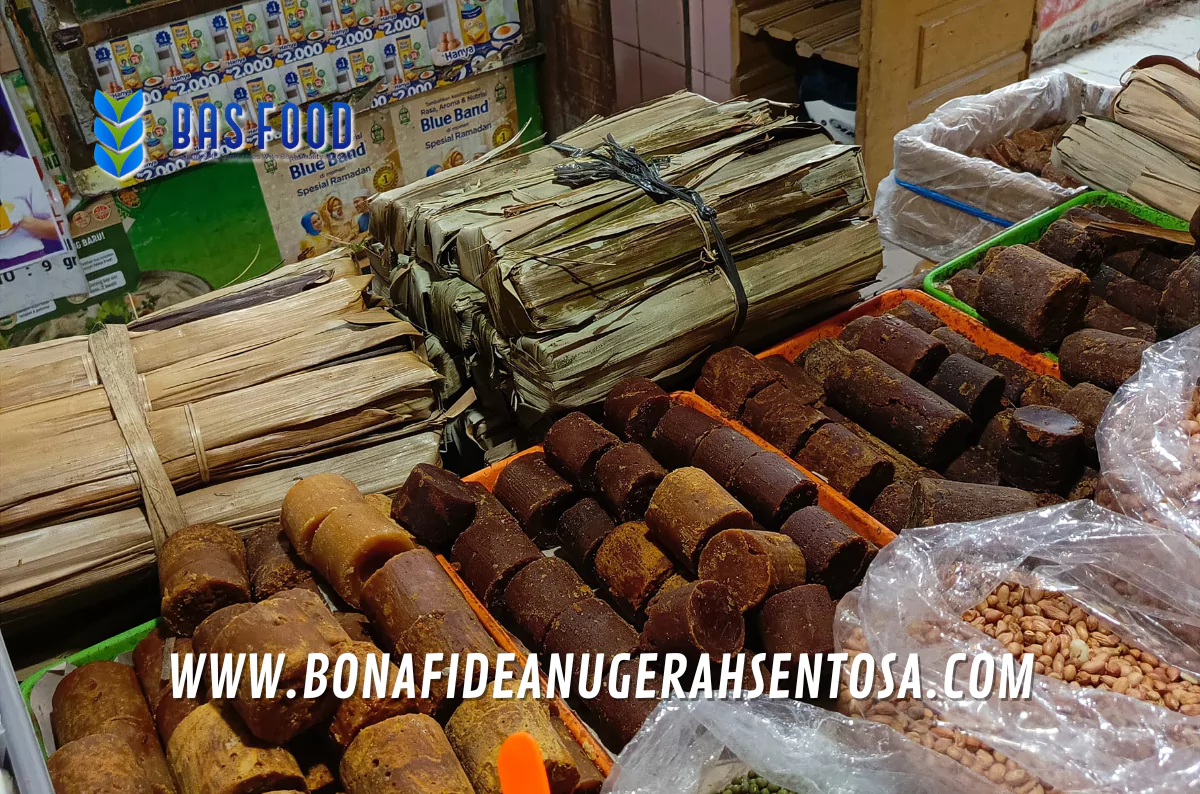
Palm Sugar Demand 2025: What to Expect
Looking ahead, palm sugar demand 2025 is projected to increase significantly. Several factors drive this growth, including the rise of the vegan and plant-based movement, the push for sustainable agriculture, and the reduction of refined sugar consumption. Food manufacturers are responding by integrating palm sugar into products such as baked goods, beverages, sauces, and even energy bars.
Additionally, palm sugar’s versatility appeals to different industries. Beyond food, it is also used in pharmaceuticals and cosmetics, where natural ingredients are valued. Analysts predict that the demand will accelerate further as global consumers prioritize natural sweetness combined with sustainability.
Global Palm Sugar Growth and Market Expansion
The palm sugar growth trajectory aligns with broader trends in natural sweeteners. The global sweetener market is experiencing a shift away from artificial substitutes toward products perceived as clean-label and minimally processed. Palm sugar fits neatly into this category, offering authenticity and cultural heritage alongside commercial value.
Furthermore, Asia-Pacific remains the largest producer, but Europe and North America represent fast-growing consumer markets. The expansion of e-commerce platforms has allowed small-scale palm sugar producers to access global buyers directly, accelerating growth beyond traditional trade routes.
Palm Sugar Business Opportunities for Entrepreneurs
The palm sugar business opportunities are vast for both local farmers and international companies. On one hand, smallholder farmers in Indonesia and the Philippines can tap into export markets by adopting certifications such as organic, Fairtrade, and HACCP. These certifications boost credibility and attract premium buyers.
On the other hand, international distributors, wholesalers, and retailers can capitalize on rising global demand. Developing private-label brands, launching health-focused products, and forming partnerships with certified suppliers present lucrative pathways. Importers who secure strong supplier relationships stand to gain significantly as the market matures.
Regional Outlook: Asia-Pacific at the Core
The Asia-Pacific region dominates the Palm Sugar Market in terms of both production and consumption. Countries like Indonesia, Thailand, and India have centuries-old traditions of palm sugar processing, and their expertise is now being adapted for global-scale exports. Indonesia, in particular, is recognized for its high-quality palm sugar, which is exported in various forms such as powder, liquid, and blocks.
Meanwhile, domestic consumption in Asia remains robust. Palm sugar continues to feature in traditional cuisines, from curries to desserts, ensuring a strong base demand. This regional strength gives Asia-Pacific suppliers a competitive advantage as they expand into Western markets.
Consumer Preferences Shaping the Palm Sugar Market
Shifts in consumer behavior are reshaping the palm sugar industry. Modern buyers are not only looking for taste but also for health benefits, transparency, and traceability. This has pushed producers to adopt eco-friendly farming and sustainable harvesting methods, appealing to ethically minded consumers.
Moreover, the growth of specialty diets—such as keto, paleo, and vegan—has highlighted palm sugar as a natural option. As a result, many food companies now highlight palm sugar as a clean-label ingredient on packaging, increasing visibility and consumer trust.
Challenges and Risks in Palm Sugar Growth
Despite the positive outlook, the palm sugar growth story faces several challenges. One of the main issues is supply chain consistency. Palm sugar production is highly dependent on smallholder farmers, whose output can fluctuate due to climate change, seasonality, and labor shortages. Ensuring stable volumes while maintaining quality remains a concern for importers.
Additionally, global market competition is increasing. As palm sugar gains attention, more players are entering the field, which can put pressure on prices and margins. Meeting international quality standards, managing logistics, and keeping costs competitive will be crucial for long-term sustainability.
The Role of Trusted Suppliers in the Palm Sugar Market
In a competitive industry, the role of trusted suppliers becomes critical. Buyers and importers often seek reliable partners who can provide consistent supply, certification, and transparency. One such company is CV Bonafide Anugerah Sentosa, a trusted Indonesian supplier specializing not only in palm sugar but also in green coffee beans, spices, fishery products, and coconut derivatives.
With production facilities in Yogyakarta and strong partnerships with farmers, CV Bonafide Anugerah Sentosa bridges the gap between local producers and international buyers. The company’s commitment to quality assurance and sustainable sourcing makes it a dependable partner for businesses exploring opportunities in the palm sugar market.
Future Outlook of the Palm Sugar Market
Looking forward, the Palm Sugar Market shows no signs of slowing down. With increasing global demand, growing awareness of health benefits, and the rise of sustainable sourcing, palm sugar is positioned as a strong competitor to refined sugar and artificial sweeteners.
By 2025, analysts expect palm sugar to expand its role in the global sweetener industry, creating more opportunities for farmers, exporters, and international distributors. Companies that invest in transparent supply chains, certification, and innovation are likely to secure long-term success in this evolving market.
Conclusion
The Palm Sugar Market is entering a phase of accelerated growth. From rising palm sugar demand 2025 to evolving palm sugar business opportunities, the landscape is filled with potential for both producers and global traders. However, success will depend on addressing supply chain challenges, ensuring sustainable practices, and building trust through certified suppliers.
Companies such as CV Bonafide Anugerah Sentosa demonstrate how suppliers can shape the future of palm sugar exports. As consumers worldwide shift toward healthier, natural alternatives, palm sugar is poised to become a global staple. Contact CV Bonafide Anugerah Sentosa how we can provide the best solutions for you. WhatsApp: +62 8213 4505 737, Email: info@bonafideanugerahsentosa.com / bas.mdir@gmail.com.