
If you’ve ever tasted the rich, smoky sweetness of Arenga sugar, you might wonder where it comes from and how it’s made. Unlike regular refined sugar, Arenga sugar starts deep in the forests of Southeast Asia. From tapping wild palm trees to turning sap into golden crystals, Arenga sugar production is a fascinating blend of traditional skills and small-scale technology.
In this blog, we’ll walk you through what actually happens inside an Arenga sugar factory. We’ll explore each stage—from harvesting the sap to drying the final product. You’ll also meet the people who help make it happen, and you’ll learn how this natural sweetener makes its way into kitchens around the world.
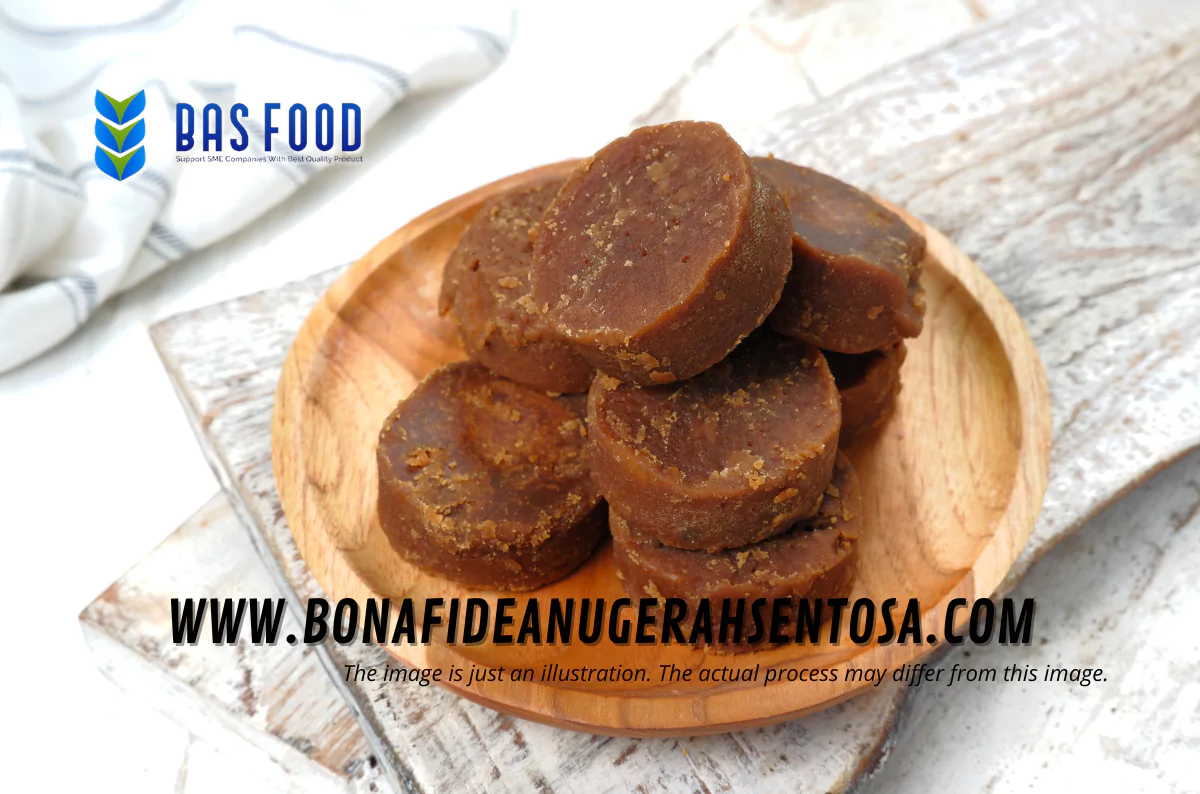
Harvesting Wild Sap: The Heart of Arenga Sugar Production
The journey of Arenga sugar begins in the rainforest, where the Arenga pinnata palm—also called the sugar palm—grows wild. Unlike cultivated crops, these palms thrive without much interference. Farmers climb tall, mature trees and skillfully tap the flower stalks to collect sweet sap. This practice is usually done early in the morning or late in the afternoon to preserve freshness.
The sap flows slowly into bamboo containers or stainless-steel buckets, and farmers must collect it quickly before fermentation begins. Each tree can produce sap daily for several months, depending on the season and how well the tree is cared for. This raw sap, which looks like cloudy water, is the lifeblood of Arenga sugar production. It’s full of natural sugars, minerals, and a distinct earthy aroma.
Transporting and Filtering the Sap
Once collected, the sap must be transported quickly to a nearby Arenga sugar factory or processing unit. Since it starts fermenting within a few hours, timing is everything. Most producers operate small-scale facilities close to forest areas to minimize delays. This approach also supports local communities, creating jobs and preserving traditional practices.
At the factory, the sap goes through an initial filtration process to remove debris like leaves, twigs, or insects. This step uses simple mesh screens or cloth filters. The goal is to keep the liquid clean without altering its natural properties. After filtering, the sap is ready for the next—and most crucial—step: boiling.
Boiling the Sap: Turning Liquid Gold into Syrup
Boiling is where the transformation begins. The filtered sap is poured into large open pans, traditionally made from stainless steel or iron. These pans sit over firewood or gas-powered stoves and are constantly monitored to control the heat. Boiling must be done gradually; too much heat too fast can burn the sap, while too little heat won’t reduce it properly.
As the sap simmers, water evaporates, and the sugars start to concentrate. The liquid darkens in color and thickens into a syrupy texture. This process can take several hours, depending on the volume and desired concentration. Skilled workers continuously stir the liquid and skim off any foam or impurities that rise to the surface. It’s a labor-intensive process that requires attention and experience.
Crystallization and Granulation: Shaping the Sweetener
Once the syrup reaches the right consistency, it’s allowed to cool slightly before the granulation step. In many Arenga sugar factories, the thick syrup is poured into molds or trays, where it begins to crystallize naturally. The cooling phase is essential—it affects the texture and quality of the final sugar.
When it has set into a solid mass, the sugar is broken down manually or using grinders into smaller granules. These granules are then sieved to ensure a consistent size. The result is a moist, brownish sugar with a soft texture and a deep caramel flavor—completely unrefined and packed with nutrients like potassium, magnesium, and iron.
Drying and Packaging: Getting Ready for the World
After granulation, the Arenga sugar needs to be dried to extend its shelf life. In many factories, sun drying is still preferred, especially in rural Indonesia. However, modern producers may use solar dryers or low-temperature ovens to speed up the process without compromising quality. The goal is to reduce moisture content while preserving the sugar’s rich taste and aroma.
Once dried, the sugar is weighed and packed. Most producers use eco-friendly packaging like kraft paper or vacuum-sealed bags to protect the sugar from moisture and contamination. Labels usually include harvest dates, origin information, and certifications if applicable. At this point, the Arenga sugar is ready to be shipped locally or exported around the globe.
Inside the Factory: Tools, People, and Practices
Walking inside an Arenga sugar factory, you’ll notice a mix of tradition and practicality. The setup is usually simple: a few boiling pans, wooden paddles, trays for drying, and sieving equipment. It’s not an industrial complex, but rather a community-based production unit where knowledge is passed down through generations.
Most of the labor is done manually, especially in remote areas where automation is limited. Workers are highly skilled and take pride in their craft. They know exactly how to judge sap quality, monitor boiling temperatures, and handle crystallization. Hygiene is a priority too—workers wear gloves, hairnets, and use stainless steel tools to maintain food-grade standards.
Why Arenga Sugar Matters for the Food Industry
Arenga sugar is gaining attention not just for its unique flavor but also for its low glycemic index and nutritional profile. It’s an ideal sweetener for natural food products, energy bars, vegan recipes, and even coffee blends. Manufacturers who want to offer a healthier, artisanal touch often choose Arenga sugar over conventional white sugar.
Because the production process is eco-friendly and relies on sustainable forest resources, Arenga sugar also appeals to environmentally conscious brands. Supporting Arenga sugar production means supporting biodiversity, rural livelihoods, and traditional farming systems.
CV Bonafide Anugerah Sentosa: Connecting Arenga Sugar to Global Markets
One of the key players helping connect Arenga sugar producers with buyers worldwide is CV Bonafide Anugerah Sentosa. Based in Indonesia, this export company is known for its commitment to quality and transparency. While the company is well-known as a trusted spices supplier, fishery supplier, and coconut supplier, it also works closely with Arenga sugar processors to ensure traceability and international food safety standards.
CV Bonafide Anugerah Sentosa plays a key role in helping small producers access larger markets. By providing logistical support, export documentation, and quality checks, they make sure the final product meets buyer expectations. Whether you’re sourcing sugar for food manufacturing or retail packaging, working with an experienced exporter like CV Bonafide ensures peace of mind.
Conclusion: A Natural Sweetener with a Story
The story of Arenga sugar is one of patience, tradition, and care. From tapping trees in the forest to drying sugar crystals under the sun, every step involves skilled hands and natural processes. Inside an Arenga sugar factory, you’re not just looking at a production line—you’re seeing a legacy at work.
As more consumers turn toward healthier and more sustainable sweeteners, Arenga sugar is well-positioned to meet that demand. Thanks to companies like CV Bonafide Anugerah Sentosa, this remarkable product can now reach markets worldwide without losing its authenticity. It’s a sweetener with a story—and one that deserves to be shared. Contact CV Bonafide Anugerah Sentosa how we can provide the best solutions for you. WhatsApp: +62 8213 4505 737, Email: info@bonafideanugerahsentosa.com / bas.mdir@gmail.com.