
Have you ever wondered why coco peat has become such a popular choice for gardeners, farmers, and hydroponic growers? Well, in 2025, the demand for this eco-friendly growing medium is soaring, and so is the curiosity about its price. Whether you’re a home gardener looking to improve soil quality or a commercial farmer seeking a cost-effective alternative, understanding the latest coco peat price per kg and per ton can help you make informed decisions.
Coco peat, also known as coco coir pith, is a byproduct of coconut husks that offers excellent water retention and aeration properties. It’s widely used in agriculture, hydroponics, and gardening, making it a go-to solution for sustainable farming. But how much does it actually cost? What factors influence its price? And where can you buy high-quality coco peat at competitive rates?
In this article, we’ll break down everything you need to know about coco peat prices, the best places to buy it, and how to use it effectively. Let’s dive in!
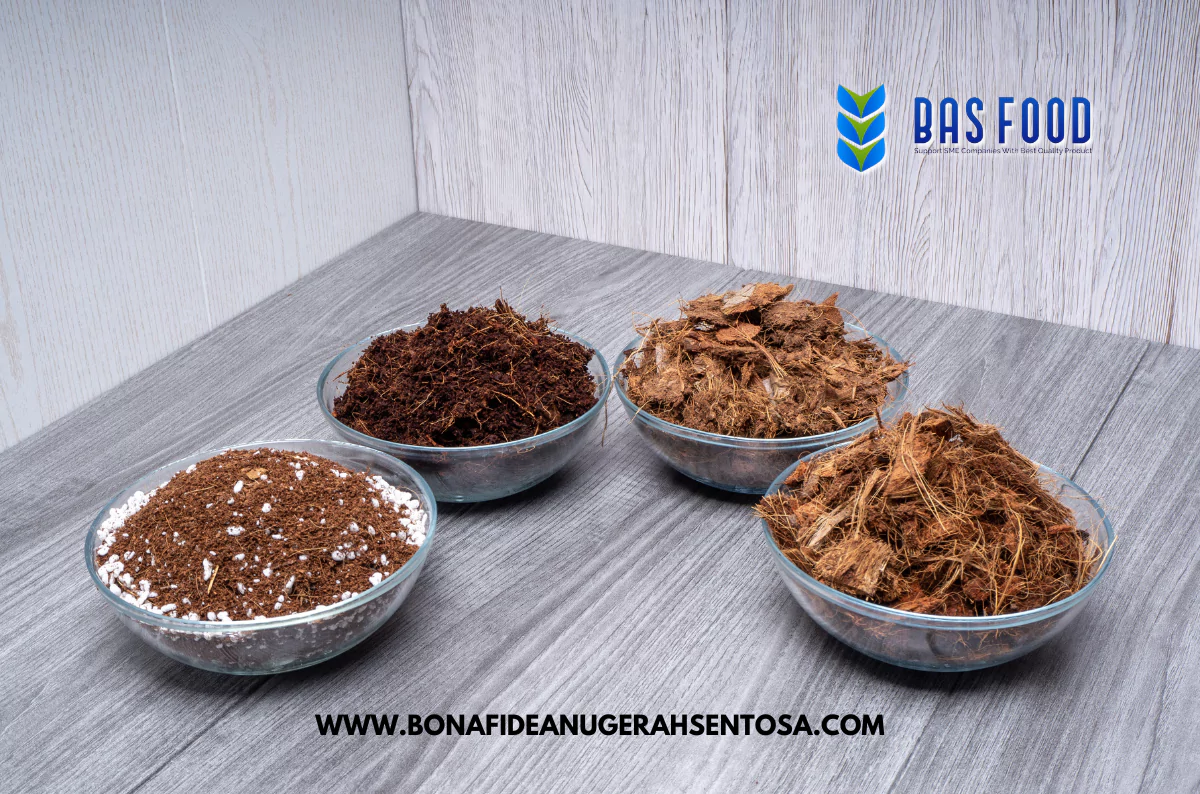
What Is Coco Peat?
Coco peat, also known as coir pith or coir dust, is a byproduct of coconut fiber extraction. It is widely used in agriculture, hydroponics, and gardening due to its excellent water retention, aeration, and nutrient absorption capabilities. Unlike regular soil, coco peat is lightweight, sustainable, and eco-friendly, making it a preferred choice for modern farming. Additionally, it provides a neutral pH level, which makes it suitable for various types of plants, ensuring optimal growth conditions.
As a growing medium, coco peat is often mistaken for coco coir, but they serve different purposes. Coco peat is the fine, spongy material obtained from coconut husks, while coco coir consists of coarser fibers used in matting, ropes, and brushes. The unique structure of coco peat enables it to retain moisture for longer periods, making it an ideal choice for hydroponic systems, container gardening, and soil amendments. This distinction is essential for growers and gardeners looking to optimize their plant growth strategies.
Difference Between Coco Peat and Coco Coir
- Coco peat and coco coir are often used interchangeably, but they have distinct differences:
- Coco peat is the fine powdery material extracted from coconut husks.
- Coco coir refers to the coarser fibers from the husk, which are used for mats, brushes, and rope production.
Coco peat is primarily used as a soil conditioner and growing medium due to its high water-holding capacity. It retains water effectively while still providing adequate drainage and aeration for plant roots. On the other hand, coco coir is utilized in various industrial and commercial applications, such as erosion control, mattress stuffing, and biodegradable planting pots. While both originate from the same source, their processing and end-uses differ significantly, making it essential to understand their unique properties before purchasing.
Benefits of Coco Peat in Agriculture and Hydroponics
- Excellent water retention: Absorbs and holds water longer than traditional soil.
- Aeration improvement: Provides better oxygen circulation for plant roots.
- Eco-friendly alternative: A renewable resource compared to peat moss.
- Ideal for hydroponics: Supports plant growth without soil dependency.
- Prevention of soil-borne diseases: Reduces the risk of fungal infections.
One of the primary reasons farmers and hydroponic growers choose coco peat is its ability to enhance soil structure. Unlike traditional soil that can become compacted over time, coco peat maintains its aeration properties, ensuring that plant roots receive enough oxygen. This is crucial for preventing root rot and promoting healthy plant development. Additionally, coco peat is free from harmful chemicals and pathogens, making it a safer choice for organic farming.
Furthermore, using coco peat in hydroponics has gained significant popularity due to its efficiency in nutrient delivery. Since hydroponic systems require precise control over water and nutrients, the lightweight and porous nature of coco peat allows for better absorption and distribution. This results in healthier and more productive plants, making it a preferred medium for commercial farming and home gardening enthusiasts alike.
Coco Peat Prices in the Market
Understanding coco peat price trends can help farmers and businesses make informed decisions.
Average Coco Peat Price Per Kg & Per Ton
- Coco peat price per kg: Varies between $295 to $305, depending on quality and origin.
- Coco peat price per ton: Ranges from $295.000 to $500.000, with bulk orders often receiving discounts.
Coco peat prices fluctuate based on market demand and production costs. Since it is a byproduct of coconut processing, its availability is influenced by the overall production of coconut-based goods. Additionally, higher-quality coco peat, which has been properly washed and buffered, tends to command a premium price due to its enhanced suitability for hydroponic and agricultural applications.
Buying coco peat in bulk can significantly reduce costs for commercial growers. Many suppliers offer discounts on large orders, making it a more economical option for farmers who require substantial quantities for their operations. However, it’s essential to consider factors such as shipping fees, processing quality, and supplier reputation when making bulk purchases.
Factors Affecting the Price
Several factors influence the cost of coco peat:
- Quality: Low EC (electrical conductivity) coco peat is priced higher due to its suitability for hydroponics.
- Moisture content: Dry, compressed blocks are cheaper to transport and store.
- Origin: Sri Lanka, India, and Indonesia are top exporters, with price variations due to labor and processing costs.
- Market demand: Seasonal agricultural demand affects availability and pricing.
The moisture content of coco peat plays a significant role in pricing. High-moisture coco peat tends to weigh more, increasing shipping costs, whereas compressed, dried versions are more cost-efficient for transportation. Additionally, exporters from different regions set varying price points based on local labor and raw material costs. Countries like Sri Lanka and India have well-established coco peat industries, leading to competitive pricing and higher product quality.
Local vs. International Prices
- Local prices in countries like India and Indonesia tend to be lower due to minimal transportation costs.
- International prices can be higher, especially in regions with limited coconut production.
For businesses looking to import coco peat, understanding regional price differences is crucial. While purchasing from local suppliers can save costs on logistics, international suppliers may offer better quality or specific product variations suited for different applications. Comparing suppliers, checking reviews, and requesting samples can help buyers make the best purchasing decision.
Where to Buy Coco Peat?
Finding a reliable source to buy high-quality coco peat is essential for ensuring good crop yields and efficient hydroponic systems.
Best Online Stores to Buy Coco Peat
- Amazon – Wide variety of options from multiple sellers.
- Alibaba – Best for bulk orders with international suppliers.
- eBay – Suitable for small-scale purchases and home gardening.
- Local agricultural stores – Many countries have local suppliers offering competitive prices.
Online shopping for coco peat has become more accessible, allowing buyers to compare prices, read customer reviews, and choose from different types of coco peat, including compressed blocks, loose coco peat, and buffered varieties. Many suppliers provide detailed product descriptions, which help buyers make an informed decision based on their specific needs.
Coco Peat Distributors and Suppliers in Indonesia
Indonesia is one of the largest producers of coco peat, and many local suppliers offer high-quality products for export and domestic use. Some well-known distributors include:
- CV Bonafide Anugerah Sentosa – A leading supplier specializing in premium-grade coco peat.
- Local coconut processing companies – Many small and medium-sized enterprises sell directly to consumers and businesses.
Sourcing coco peat from Indonesian suppliers can be a cost-effective option for businesses looking for bulk quantities at competitive prices. Additionally, many local suppliers offer customization options, such as different levels of washing and buffering, to meet specific agricultural and hydroponic requirements.