
For food manufacturers, distributors, importers, cafés, and ingredient buyers, palm sugar procurement is more than simply finding a supplier and asking for a price. A good procurement process helps buyers secure consistent quality, reliable supply, suitable packaging, and clear commercial terms. When these elements work together, palm sugar can become a dependable ingredient for beverages, bakery products, confectionery, sauces, snacks, and other food applications.
The challenge is that palm sugar can vary depending on the palm species, production method, processing conditions, moisture level, particle size, and storage. Therefore, international buyers need a clear purchasing process before placing a large order. This guide explains the key steps, from defining specifications and evaluating suppliers to managing samples, pricing, quality control, and shipping.
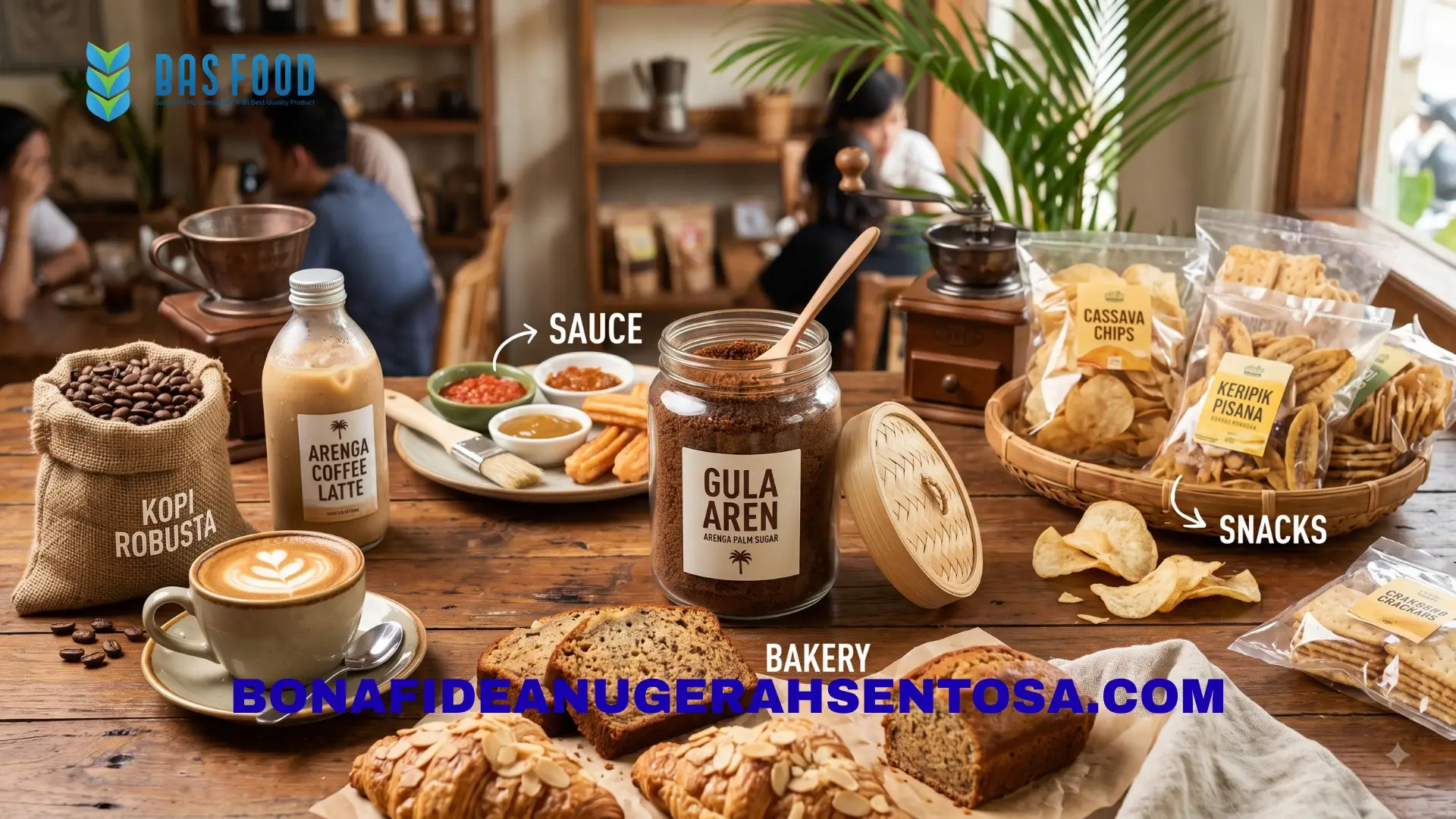
What Is Palm Sugar Procurement?
Palm sugar procurement is the process of sourcing, evaluating, purchasing, and managing palm sugar from qualified suppliers. For a B2B buyer, this process normally includes product specification, supplier selection, sampling, quality verification, price negotiation, packaging decisions, order confirmation, production, inspection, documentation, and shipment.
In simple terms, procurement answers several important questions: What type of palm sugar do you need? What quality should it have? How much do you need? Who can supply it consistently? What packaging works for your market? What documents are required? And how can you make sure every shipment meets the agreed specification?
A professional procurement process also looks beyond the first purchase. A supplier may offer an attractive price, but that does not automatically make the supplier the best long-term partner. Consistent quality, communication, production capacity, food safety practices, lead time, and export experience can have a much greater impact on your total purchasing cost.
For this reason, buyers should treat palm sugar procurement as part of their broader strategic sourcing program rather than as a one-time buying activity.
Start With a Clear Palm Sugar Specification
The first step in a successful procurement process is to define exactly what you want to buy. Palm sugar may be available in several forms, including block, granulated, powdered, or other processed formats. Each form can serve a different application, so the purchasing team should understand the end use before contacting a supplier.
For example, a beverage manufacturer may prefer granulated or powdered palm sugar because it is easier to measure and dissolve. A traditional food producer may prefer molded palm sugar. Meanwhile, industrial food manufacturers may require a specific particle size, moisture range, color profile, and packaging format.
A practical purchasing specification can include:
- Product name and type
- Palm source or botanical origin where relevant
- Physical form
- Color
- Aroma and flavor profile
- Moisture specification
- Particle size or mesh size
- Purity requirements
- Microbiological requirements
- Heavy metal or contaminant requirements where applicable
- Packaging material
- Net weight per package
- Shelf-life requirements
- Storage conditions
- Food safety requirements
- Certification requirements
- Country of destination requirements
The more clearly these points are defined, the easier it becomes for a supplier to provide an accurate quotation. It also reduces misunderstandings after the purchase order has been issued.
Strategic Sourcing: How to Find the Right Palm Sugar Supplier
A strong strategic sourcing process starts by looking at more than price. Buyers should compare suppliers based on product quality, supply capability, communication, documentation, production practices, and export experience.
When searching for a palm sugar supplier, consider whether the company can support your required volume and product format. A supplier that is suitable for a small trial order may not necessarily be suitable for regular container-scale purchases. Therefore, procurement teams should ask about production capacity, normal lead time, minimum order quantity, packaging options, and the supplier’s ability to maintain specifications across multiple batches.
It is also useful to distinguish between a trader, producer, supplier, and palm sugar exporter. These business models can all have value, but they may offer different levels of control over production and supply. Buyers should understand where the product comes from and who is responsible for quality control.
For international sourcing, a supplier’s export experience can also simplify the purchasing process. A capable exporter should understand commercial documentation, packing requirements, shipment coordination, and communication with overseas buyers.
For buyers interested in Indonesian products, CV Bonafide Anugerah Sentosa can be considered as part of the supplier evaluation process, particularly when sourcing palm sugar and related coconut-derived products. As with any supplier, buyers should review their specific product requirements, samples, documentation, and commercial terms before making a purchasing decision.
Supplier Management Is Essential for Consistent Quality
Finding a supplier is only the beginning. Good supplier management helps buyers maintain quality and supply continuity after the first order. This is particularly important for food ingredients because even small changes in moisture, color, aroma, or particle size can affect the final product.
One practical approach is to create an approved supplier system. Before a supplier receives regular orders, the procurement team can review its product samples, specifications, food safety information, production capability, packaging, and documentation. Once approved, the supplier should continue to meet the agreed requirements.
Communication also matters. Buyers should clearly communicate changes in forecast volume, packaging, delivery schedules, or product specifications. In return, suppliers should communicate production delays, raw material issues, specification changes, or other factors that could affect an order.
A simple supplier scorecard can help procurement teams monitor performance. Possible criteria include:
| Supplier Criteria | What to Check |
|---|---|
| Product quality | Does each batch meet the agreed specification? |
| Consistency | Is the product stable between shipments? |
| Delivery | Does the supplier meet agreed lead times? |
| Communication | Does the supplier respond clearly and quickly? |
| Documentation | Are required documents complete? |
| Packaging | Does packaging protect the product during transport? |
| Commercial terms | Are prices and payment terms clear? |
| Export capability | Can the supplier manage international shipments? |
This approach turns supplier management into an ongoing quality process rather than a reaction to problems.
Samples: The Most Important Step Before a Large Order
Ordering samples is one of the safest steps in palm sugar procurement. A product description may sound excellent, but the buyer needs to evaluate the actual product before committing to a larger purchase.
When requesting samples, buyers should provide their intended application and specification. For example, a buyer may need palm sugar for coffee beverages, bakery products, sauces, chocolate, or food manufacturing. The supplier can then provide a suitable product for evaluation.
During testing, assess the product’s appearance, aroma, flavor, texture, solubility, moisture, and performance in the intended application. If the buyer has laboratory requirements, samples may also be tested against relevant quality and food safety parameters.
It is important to document the approved sample. The approved sample can become a reference point for future orders. This helps both parties understand what the buyer expects and reduces the risk of disagreement when the next production batch is delivered.
For larger B2B purchases, buyers can also request a Certificate of Analysis (COA) or other relevant quality documents. However, documentation should support physical and laboratory verification rather than replace it.
Price Is Important, but Total Procurement Cost Matters More
Price is naturally one of the first questions in any purchasing process. However, the lowest quoted price does not always produce the lowest overall cost.
For example, a supplier may offer a lower product price but use packaging that does not provide enough protection during long-distance transportation. Another supplier may have a slightly higher price but provide better packaging, more consistent quality, clearer documentation, and more reliable delivery. In that situation, the second supplier may provide better value.
Buyers should therefore calculate the total procurement cost. Depending on the transaction, this may include product price, packaging, inland transportation, export-related charges, freight, insurance, duties, customs costs, warehousing, inspection, and other expenses.
International buyers should also clarify the Incoterm before comparing quotations. A quotation under one delivery term may not be directly comparable with a quotation under another. Procurement teams should make sure they understand exactly what is included in the quoted price.
Payment terms should also be discussed clearly. Depending on the supplier and transaction, buyers may negotiate terms that balance cash flow, supplier security, and commercial risk.
Food Safety and Documentation in Palm Sugar Procurement
Food safety should be part of the procurement process from the beginning. Buyers should not wait until the shipment is ready to ask about quality documentation.
Depending on the destination and intended application, buyers may need documents such as a commercial invoice, packing list, certificate of origin, certificate of analysis, health-related documentation, or other documents required by the importing country. Certification requirements can also vary depending on the buyer’s market and product claims.
If a buyer requires halal, organic, HACCP-related, ISO-related, or other certification, the exact requirement should be confirmed with the supplier and relevant certification body. Buyers should also verify that the certification applies to the specific product and facility involved.
This is especially important when palm sugar will be used as an ingredient in products that carry specific claims. A buyer should not assume that a supplier’s general certification automatically covers every product, facility, or claim.
A clear documentation checklist helps prevent delays. Before shipment, procurement teams should compare the purchase order, product specification, packaging information, shipping documents, and quality documents to make sure the information is consistent.
Palm Sugar Procurement for Different B2B Applications
Palm sugar is used across many food and beverage categories. Because each application has different requirements, procurement should begin with the product’s intended use.
- Used for coffee and beverage manufacturers, factors such as dissolution, flavor, color, and particle size can be important.
- For bakery products, the buyer may focus more on flavor, color, moisture, and how the sugar performs during mixing and baking.
- In confectionery and chocolate applications, consistency becomes especially important because variations in sugar characteristics can affect the finished product.
Similarly, food manufacturers using palm sugar in sauces, marinades, dairy products, snacks, or ready-to-drink beverages may require specific technical parameters.
This is why a good purchasing guide should not recommend one specification for every buyer. Instead, procurement teams should connect the specification with the final application.
For example:
| Application | Procurement Focus |
|---|---|
| Coffee | Flavor, aroma, dissolution, color |
| Beverages | Solubility, particle size, consistency |
| Bakery | Flavor, color, moisture, performance |
| Confectionery | Consistency, texture, flavor |
| Sauces | Dissolution, flavor, color |
| Snacks | Flavor, texture, specification consistency |
| Food manufacturing | Quality control, documentation, supply capacity |
The goal is simple: buy the right palm sugar for the job, rather than buying a generic product and trying to adapt the manufacturing process later.
Building a Long-Term Palm Sugar Supply Strategy
Once a supplier passes the initial evaluation, procurement teams should think about long-term supply. A reliable supply strategy can help reduce unexpected shortages and make purchasing more predictable.
Start by creating a demand forecast. If your business expects to use 5 tons per month, for example, communicate that forecast to the supplier rather than placing every order without warning. Better visibility can help suppliers plan production and raw material requirements.
It can also be useful to discuss a regular purchasing schedule. Depending on the business relationship, buyers may agree on monthly, quarterly, or other recurring orders. The exact arrangement should reflect actual demand and supplier capacity.
For larger businesses, supplier diversification can also reduce supply risk. However, adding multiple suppliers only makes sense when the products are technically comparable. If two suppliers provide different specifications, switching between them may affect the finished product.
Therefore, procurement teams should maintain clear specifications and quality benchmarks for every approved supplier.
Choosing a Palm Sugar Supplier for Global Business
The right palm sugar supplier should be able to understand your business requirements, not simply send a price list. A strong supplier relationship develops when both parties communicate clearly about quality, volume, packaging, lead time, and market requirements.
For importers looking for Indonesian palm sugar, it can be useful to work with a supplier or exporter that understands both the product and international B2B purchasing. CV Bonafide Anugerah Sentosa is one supplier that buyers can evaluate when exploring Indonesian palm sugar and related coconut-based ingredients.
At the same time, buyers should conduct their own due diligence. Ask questions, request samples, review specifications, and confirm commercial terms before placing a large order. A professional procurement process protects both the buyer and the supplier.
It is also worth remembering that palm sugar procurement is not isolated from other ingredient sourcing activities. A business that already purchases coconut-derived ingredients may also evaluate a coconut sugar supplier as part of a wider sweetener sourcing strategy. Comparing product characteristics, applications, supply capacity, and commercial terms can help buyers build a more flexible ingredient portfolio.
Final Thoughts: Make Procurement a Competitive Advantage
Effective palm sugar procurement starts with a clear specification and ends with reliable supplier management. Between those two points, buyers need to evaluate samples, compare suppliers, control quality, review documents, understand total costs, and plan logistics carefully.
For global B2B buyers, the best procurement strategy is not simply about finding the cheapest palm sugar. It is about finding the right combination of quality, consistency, supply reliability, communication, documentation, and commercial value.
Whether you are an importer, food manufacturer, distributor, café group, bakery business, or ingredient buyer, a structured purchasing process can make palm sugar sourcing much easier. By using strategic sourcing, supplier management, and a clear purchasing guide, you can build a more reliable supply chain and develop stronger relationships with qualified suppliers.