
The global food industry is rapidly evolving. Consumers are paying closer attention to ingredient labels, product sourcing, and nutritional transparency than ever before. As a result, food manufacturers are actively seeking alternatives to highly refined sweeteners that align with modern consumer preferences for natural and minimally processed ingredients. One product that continues to gain momentum worldwide is coconut nectar. Derived from the sap of coconut blossoms, this natural sweetener has become increasingly popular among food producers, beverage companies, organic brands, and health-focused manufacturers. Consequently, demand for bulk coconut nectar has grown significantly across international markets.
For B2B buyers, sourcing coconut nectar in bulk offers several advantages. It provides cost efficiency, supply chain stability, and flexibility for large-scale manufacturing operations. Whether used in beverages, bakery products, sauces, nutritional supplements, or plant-based foods, coconut nectar offers manufacturers a versatile ingredient that supports clean-label product development.
As demand for natural sweeteners continues to expand, understanding the value of bulk coconut nectar has become essential for importers, distributors, wholesalers, and food industry professionals seeking long-term sourcing solutions.
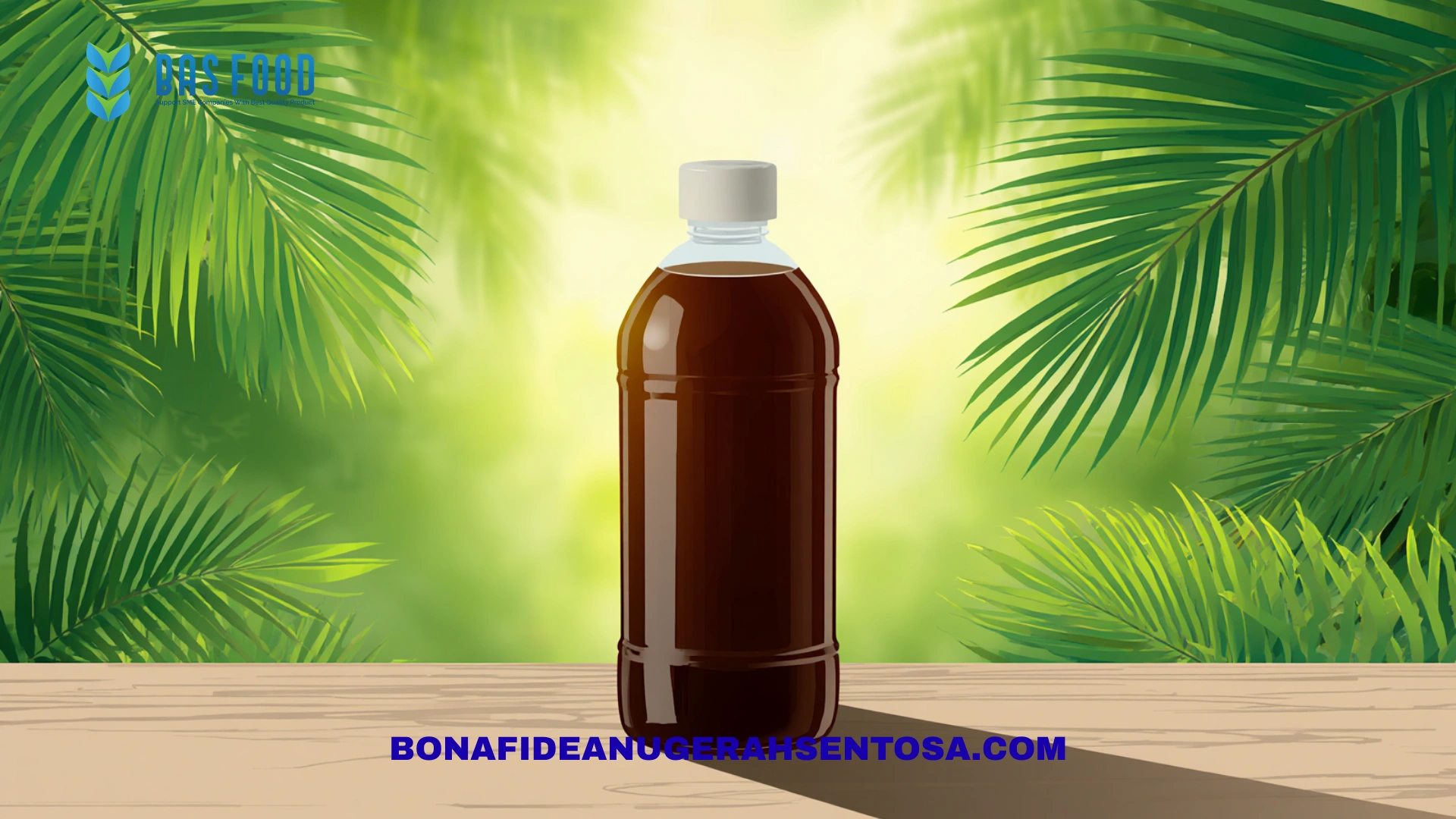
What Is Coconut Nectar?
Coconut nectar is a liquid sweetener made from the sap collected from coconut flower blossoms. Before coconuts develop into mature fruit, the flowering stalks produce a naturally sweet sap that can be harvested by skilled farmers.
The sap collection process requires expertise and careful handling. Farmers tap the coconut blossom and gather fresh sap daily to preserve its quality. After collection, the sap is filtered and gently heated to remove excess moisture.
This controlled evaporation process transforms the liquid sap into a thick golden syrup known as coconut nectar. Unlike highly refined sugars, coconut nectar generally undergoes minimal processing, helping preserve its natural characteristics.
Its rich flavor profile, smooth consistency, and broad application potential have made coconut nectar an increasingly valuable ingredient in the global food industry.
The Growing Global Demand for Bulk Coconut Nectar
Consumer preferences have shifted dramatically toward natural ingredients over the last decade.
Many shoppers now actively seek products made with recognizable ingredients and fewer artificial additives. This trend has encouraged manufacturers to reformulate products using alternative sweeteners that support clean-label positioning.
As a result, demand for bulk coconut nectar has expanded across multiple sectors, including:
- Food manufacturing
- Beverage production
- Organic products
- Functional nutrition
- Plant-based foods
- Specialty food categories
The increasing popularity of natural sweeteners has created new opportunities for suppliers and exporters serving international markets.
Large-scale buyers are particularly interested in bulk sourcing because it enables efficient production planning while reducing procurement costs.
Furthermore, businesses that secure dependable coconut nectar supply chains can better respond to growing consumer demand and market expansion opportunities.
How Coconut Nectar Is Produced
Understanding production methods is important for buyers evaluating supplier capabilities and product quality.
The production process begins with coconut sap harvesting. Skilled farmers collect sap from coconut flower blossoms, often several times per day, to maintain freshness and prevent fermentation.
Once harvested, the sap is transported to processing facilities where it undergoes filtration. This step removes natural impurities while preserving the essential characteristics of the raw material.
The filtered sap is then carefully heated. During evaporation, water content decreases while natural sugars become concentrated, resulting in the syrup-like consistency associated with coconut nectar.
After processing, manufacturers conduct quality checks to verify consistency, appearance, and product specifications before packaging.
Reliable suppliers implement strict quality control procedures throughout production to ensure export-grade standards and customer satisfaction.
Why Food Manufacturers Prefer Wholesale Coconut Nectar
Many food manufacturers choose wholesale coconut nectar because it offers flexibility across numerous product categories.
Its balanced sweetness and pleasant flavor profile allow manufacturers to incorporate it into formulations without overwhelming other ingredients. This versatility supports innovation while maintaining product consistency.
Coconut nectar is commonly used in:
Beverage Manufacturing
Manufacturers incorporate coconut nectar into:
- Functional drinks
- Smoothies
- Energy beverages
- Coffee products
- Tea-based beverages
Its liquid form makes blending efficient and consistent.
Bakery Applications
Bakers frequently use coconut nectar in:
- Cookies
- Cakes
- Muffins
- Granola products
- Snack bars
Its subtle caramel notes enhance flavor and product appeal.
Sauce and Condiment Production
Food companies also use coconut nectar in sauces, marinades, dressings, and specialty condiments.
The syrup’s smooth texture contributes to desirable product consistency.
Nutritional and Wellness Products
The wellness industry increasingly incorporates coconut nectar into products designed for health-conscious consumers seeking naturally sourced ingredients.
Bulk Coconut Nectar Versus Other Industrial Sweeteners
Manufacturers today have access to a wide variety of sweetening options.
However, many buyers are comparing coconut nectar with traditional industrial sweeteners due to changing consumer expectations.
Conventional industrial sweeteners often prioritize cost efficiency and large-scale production. While these products remain widely used, some consumers increasingly prefer ingredients perceived as more natural and less processed.
This shift has encouraged manufacturers to explore alternatives such as coconut nectar.
One advantage of coconut nectar is its clean-label appeal. Consumers can easily understand its source and production process, making it attractive for brands focused on ingredient transparency.
Additionally, coconut nectar supports premium product positioning, helping manufacturers differentiate themselves in competitive markets.
For many companies, the choice is no longer based solely on sweetness. It also involves branding, consumer perception, sustainability, and market trends.
Benefits of Sourcing Bulk Coconut Nectar
Purchasing bulk coconut nectar provides several advantages for importers, distributors, and manufacturers.
Improved Cost Efficiency
Bulk purchasing often reduces per-unit costs, allowing businesses to improve margins and optimize procurement budgets.
Consistent Supply
Large-volume sourcing agreements can help ensure a stable supply of raw materials, reducing the risk of production interruptions.
Simplified Inventory Management
Working with a reliable supplier enables better inventory planning and forecasting.
Greater Packaging Flexibility
Bulk buyers can choose packaging formats that align with their operational requirements.
These benefits contribute to stronger supply chain performance and long-term business growth.
Packaging Options for Wholesale Coconut Nectar
Professional suppliers typically offer multiple packaging solutions designed to meet diverse customer needs.
Common packaging formats include:
Retail Packaging
Suitable for direct consumer sales:
Glass bottles
PET bottles
HDPE bottles
Food Service Packaging
Designed for restaurants, cafes, and food service providers:
Medium-sized containers
Food-grade jerry cans
Industrial Packaging
Ideal for large-scale manufacturing:
- Plastic drums
- Steel drums
- IBC tanks
- Bulk containers
Flexible packaging options allow buyers to optimize logistics, storage, and distribution processes.
How to Choose the Right Bulk Coconut Nectar Supplier
Selecting the right supplier is one of the most important sourcing decisions a buyer can make.
Several factors should be evaluated carefully.
Product Quality
Suppliers should maintain consistent product specifications and implement strong quality assurance procedures.
Food Safety Standards
Verify that suppliers follow recognized food safety and quality management systems.
Production Capacity
The supplier should be capable of supporting both current requirements and future growth.
Export Experience
Experienced exporters understand international regulations, shipping procedures, and documentation requirements.
Customer Support
Responsive communication contributes significantly to successful long-term business relationships.
A reliable supplier serves not only as a product source but also as a strategic business partner.
Why Indonesia Is a Leading Source of Coconut Nectar
Indonesia is one of the world’s largest coconut-producing countries.
Its tropical climate supports year-round coconut cultivation, providing abundant raw materials for coconut nectar production.
Millions of coconut trees grow throughout the Indonesian archipelago, creating a strong foundation for coconut-based industries.
Indonesian farmers possess generations of expertise in coconut sap harvesting, while modern processing facilities apply advanced quality control systems to produce export-grade products.
Additionally, Indonesia offers competitive production costs and well-developed export infrastructure, making it an attractive sourcing destination for international buyers.
These advantages have helped establish Indonesia as a leading supplier of coconut nectar to global markets.
Partner with a Trusted Coconut Nectar Exporter from Indonesia
For companies seeking dependable sources of bulk coconut nectar, selecting an experienced exporter is essential.
CV Bonafide Anugerah Sentosa is a trusted Indonesian exporter supplying premium coconut nectar and a wide range of coconut-derived products to international markets. The company works closely with farmers and processing facilities to ensure product quality, consistency, and reliable supply.
In addition to coconut nectar, CV Bonafide Anugerah Sentosa supplies coconut sugar, organic coconut sugar, virgin coconut oil, coconut milk products, spices, coffee products, and fishery products.
With extensive sourcing networks and export expertise, the company helps global buyers access high-quality Indonesian products while supporting long-term business growth.
Conclusion
The global demand for natural sweeteners continues to create new opportunities for food manufacturers, distributors, and ingredient importers. As consumers increasingly prioritize clean-label products and ingredient transparency, coconut nectar has emerged as a valuable alternative within the sweetener market.
Sourcing bulk coconut nectar allows businesses to improve procurement efficiency, support large-scale manufacturing, and respond to growing market demand. Whether purchasing wholesale coconut nectar for distribution or incorporating it into food production, buyers can benefit from a versatile ingredient that aligns with evolving consumer preferences.
Compared with many traditional industrial sweeteners, coconut nectar offers compelling advantages related to natural sourcing, clean-label positioning, and premium product development.
For businesses seeking reliable supply and long-term sourcing partnerships, Indonesia remains one of the world’s most attractive origins for high-quality coconut nectar exports.