
Understanding RBD coconut oil specifications is essential for industrial buyers, quality assurance teams, and product developers who rely on consistent edible oil ingredients. These specifications define the measurable physical and chemical properties that determine whether refined coconut oil meets international food processing standards.
The term RBD refers to refined, bleached, and deodorized coconut oil. Each refining stage affects the final oil properties. Therefore, buyers often review RBD coconut oil specifications before approving suppliers or integrating the oil into food manufacturing systems.
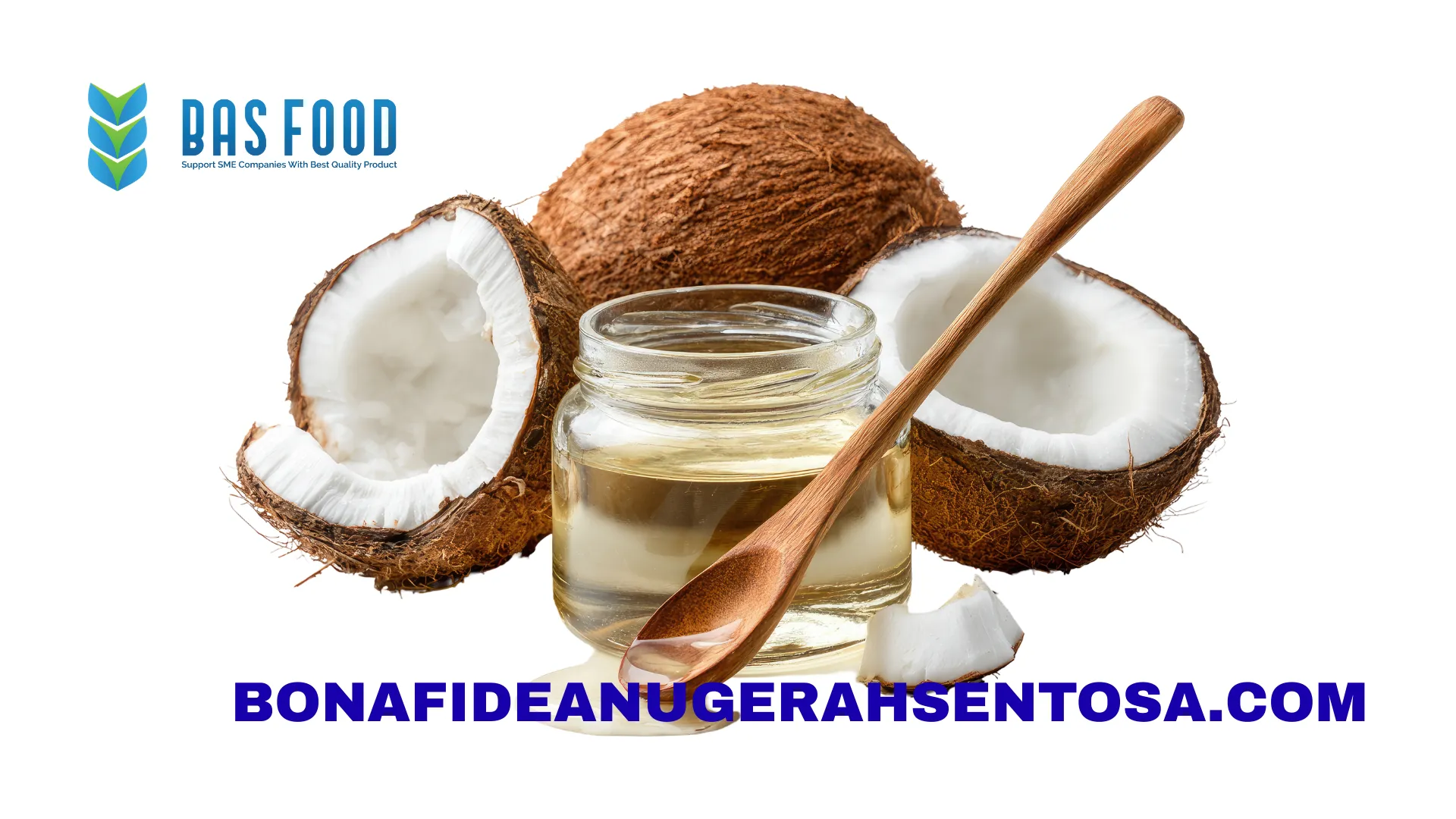
What RBD Coconut Oil Is and Why Specifications Matter
RBD coconut oil is a purified form of crude coconut oil produced through refining, bleaching, and deodorizing. This process removes impurities, pigments, and odor compounds. As a result, the oil becomes neutral in color, flavor, and aroma.
Specifications help standardize this refined product. Manufacturers use these parameters to verify quality, stability, and safety. In addition, they allow industrial buyers to compare suppliers using consistent benchmarks.
Key Parameters in RBD Coconut Oil Specifications
Every batch of refined coconut oil must meet measurable technical parameters. These values appear in product specification sheets or certificates of analysis. Quality control teams verify them before the oil enters production or export channels.
Common parameters include free fatty acid levels, moisture content, peroxide value, and color index. Together, these indicators reflect both refining efficiency and storage stability.
Furthermore, international edible oil trade relies on these measurements to maintain consistent ingredient performance in large-scale manufacturing.
Physical Properties of RBD Coconut Oil
Physical properties describe how the oil behaves under specific conditions. These characteristics influence processing, storage, and product formulation.
Typical physical attributes include melting point, density, viscosity, and color. Coconut oil generally solidifies at temperatures below about 24°C. However, this phase change does not damage the oil’s quality.
Manufacturers must understand these physical properties when designing processing systems such as mixing tanks, pipelines, and packaging operations.
Melting Point and Solidification Behavior
Coconut oil has a relatively sharp melting range compared to many other vegetable oils. This property allows manufacturers to control texture in products like confectionery fillings or bakery fats.
When temperatures drop, the oil may appear cloudy or fully solid. However, once warmed again, the oil returns to its liquid form without structural damage.
Density and Viscosity
Density affects storage and transport calculations. Meanwhile, viscosity determines how easily the oil flows through processing equipment.
Because refined coconut oil maintains predictable viscosity, manufacturers can integrate it into automated production systems with minimal adjustment.
Chemical Composition of RBD Coconut Oil
Chemical composition defines the molecular structure of the oil. Coconut oil contains a high proportion of saturated fatty acids, especially medium-chain triglycerides.
The most prominent fatty acid is lauric acid. Other components include myristic, caprylic, and capric acids. These fatty acids influence the oil’s stability and oxidation resistance.
Refining removes impurities but does not significantly alter this core fatty acid profile. Therefore, RBD coconut oil specifications typically include a fatty acid composition chart.
Quality Indicators in RBD Coconut Oil Specifications
Quality indicators help assess whether refining and storage conditions remain controlled. Laboratories measure these parameters using standardized analytical methods.
One key indicator is free fatty acid (FFA) content. Low FFA levels indicate effective refining and minimal hydrolysis during storage.
Another indicator is peroxide value. This measurement shows the degree of oxidation in the oil. Low peroxide values signal good storage conditions and proper refining practices.
How Refining Influences Oil Characteristics
Refining directly shapes the final oil properties. Each stage removes different types of impurities that affect product quality.
First, refining neutralizes free fatty acids. This step improves shelf stability. Next, bleaching removes pigments and trace contaminants through adsorption and filtration.
Finally, deodorizing removes volatile compounds that produce odor or flavor. After these stages, the oil becomes neutral and stable for industrial applications.
International Standards for Edible Oil Specifications
Global edible oil trade depends on harmonized quality standards. Many exporters follow guidelines from the Codex Alimentarius Commission, which provides internationally recognized food standards.
These standards define acceptable ranges for many edible oil parameters. Importing countries may also apply their own regulatory requirements based on these frameworks.
Additionally, organizations such as the Food and Agriculture Organization support global food safety and agricultural trade systems.
Quality Control and Laboratory Verification
Quality assurance teams test refined oils before export. Laboratories analyze multiple parameters to confirm that the oil matches documented RBD coconut oil specifications.
These tests may include gas chromatography for fatty acid composition and titration methods for acidity. Spectrophotometry often measures color values.
Because refined oils move through global supply chains, accurate testing helps prevent quality disputes between suppliers and buyers.
Export Compliance and Documentation
International buyers require transparent documentation before approving shipments. Exporters typically provide certificates of analysis, product specification sheets, and traceability records.
These documents verify that the oil meets agreed quality parameters. In addition, they confirm compliance with importing country regulations.
Exporters with strong compliance systems often manage multiple commodity sectors. For example, CV Bonafide Anugerah Sentosa works with coconut products, spices, cocoa commodities, and seafood supply chains for international markets.
Cross-Industry Quality Systems in Global Trade
Exporters frequently apply similar quality management frameworks across different commodity industries. These systems support consistency, documentation accuracy, and regulatory compliance.
For instance, seafood exporters handling species such as Thunnus albacares must maintain strict temperature monitoring and cold chain logistics. These controls protect product safety during transportation.
Although refined oils do not require refrigeration, exporters still follow structured quality control procedures. These procedures ensure contamination prevention and traceable supply chains.
Risks When Specifications Are Not Controlled
Failure to maintain proper RBD coconut oil specifications can lead to product instability or regulatory rejection. High free fatty acid levels, for example, may indicate poor refining or storage conditions.
Similarly, excessive peroxide values suggest oxidation. Oxidized oil may not meet food manufacturing requirements.
Therefore, suppliers must monitor refining processes, storage conditions, and transport systems carefully to maintain specification compliance.
Best Practices for Industrial Buyers
Industrial buyers typically review several documents before sourcing refined coconut oil. First, they examine specification sheets and laboratory reports.
Second, buyers evaluate supplier traceability systems. Reliable suppliers can explain refining methods and provide production documentation.
Finally, many buyers perform supplier audits or request third-party inspection reports. These practices help verify that suppliers consistently maintain RBD coconut oil specifications.
Conclusion
Refined coconut oil remains a widely used ingredient in global food manufacturing. However, consistent performance depends on clearly defined technical parameters.
By reviewing RBD coconut oil specifications, industrial buyers can evaluate quality, stability, and regulatory compliance. These specifications also support transparent international trade between exporters and manufacturers.
As global supply chains expand, standardized oil specifications will continue to play an important role in maintaining product reliability and food safety.
FAQ Section
1. What are RBD coconut oil specifications?
RBD coconut oil specifications describe the physical and chemical parameters used to evaluate refined coconut oil quality.
2. Why do industrial buyers review coconut oil specifications?
Buyers review specifications to ensure the oil meets production, safety, and regulatory standards before purchasing.
3. What physical properties are typically measured?
Common physical properties include melting point, density, viscosity, and color.
4. What chemical indicators determine refined oil quality?
Free fatty acid content, peroxide value, and fatty acid composition are key chemical indicators.
5. Do refining stages change coconut oil composition?
Refining removes impurities and odor compounds, but it generally does not alter the core fatty acid structure.
Contact CV Bonafide Anugerah Sentosa how we can provide the best solutions for you. WhatsApp: +62 8213 4505 737, Email: info@bonafideanugerahsentosa.com / bas.mdir@gmail.com.