
The RBD coconut oil process is the industrial method used to transform crude coconut oil into a stable, neutral, and food-grade product. Manufacturers apply this process to remove impurities, color pigments, and odor compounds while maintaining the oil’s functional fatty acid profile.
Industrial buyers and quality assurance teams often review this refining workflow before sourcing coconut-based oils. Therefore, understanding each stage of the RBD coconut oil process helps buyers evaluate quality standards, traceability, and regulatory compliance in global edible oil supply chains.
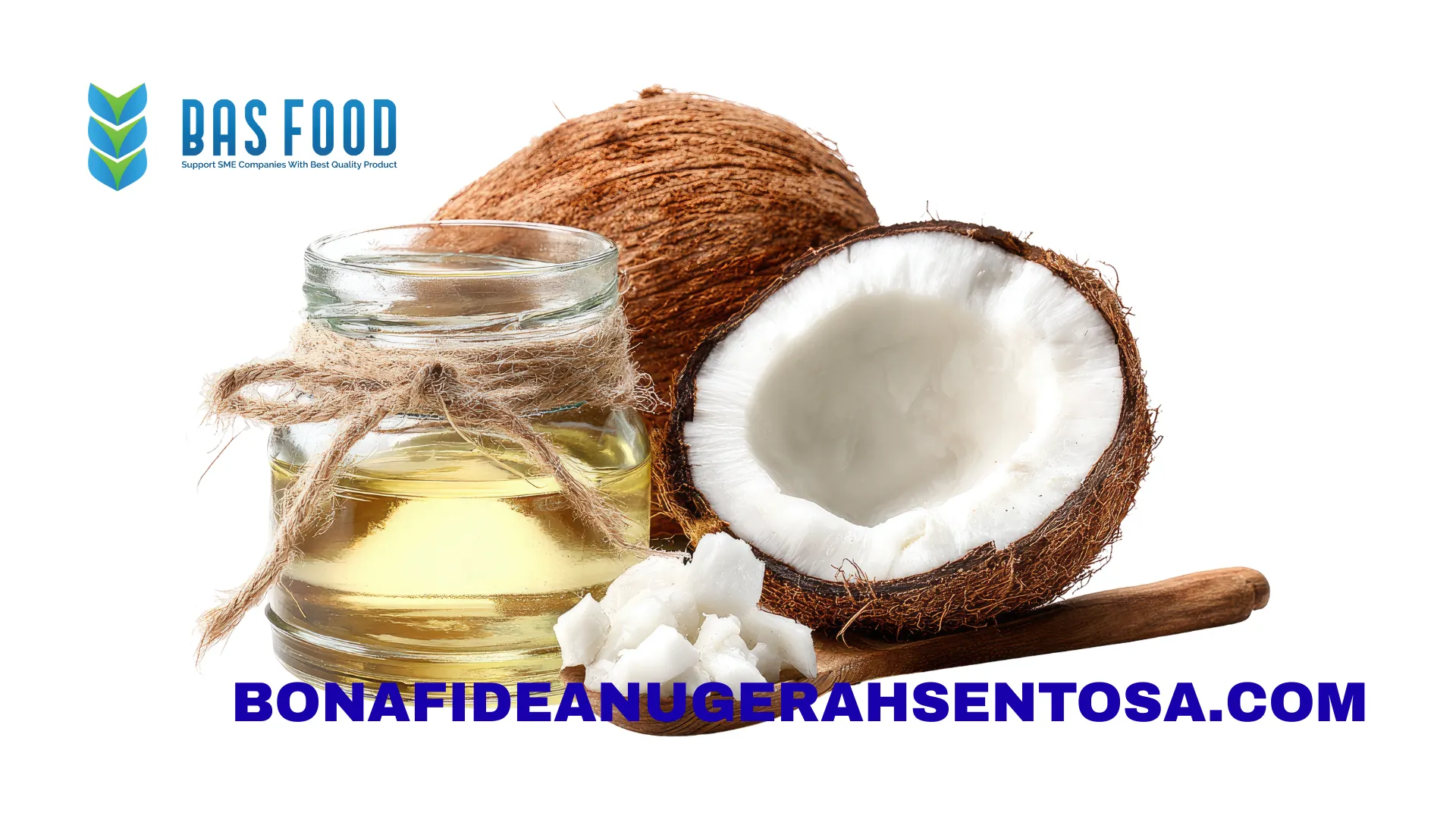
Understanding Crude Coconut Oil as the Starting Material
Crude coconut oil forms the base material before refining begins. Producers extract this oil from copra, which is dried coconut meat. Mechanical pressing or solvent extraction methods release the oil from the coconut solids.
However, crude oil contains free fatty acids, moisture, natural pigments, and volatile compounds. These elements affect shelf life, flavor, and stability. Therefore, refiners must process the crude oil further before it becomes suitable for industrial food manufacturing.
In global commodity markets, crude coconut oil often moves through bulk trading channels. Refining facilities then apply standardized processes to ensure consistent quality parameters.
Why the RBD Coconut Oil Process Is Important for Industry
Food manufacturers require oils that behave consistently during production. For this reason, the RBD coconut oil process creates a standardized ingredient that performs reliably across multiple applications.
Refining improves oxidative stability and removes sensory variations. As a result, food processors can maintain uniform taste, color, and texture in finished products. This consistency becomes essential for large-scale bakery, confectionery, and snack manufacturing.
In addition, refined coconut oil provides predictable melting behavior. That property supports production lines where temperature control and product structure must remain stable.
The Three Core Stages of the RBD Coconut Oil Process
The name “RBD” refers to three main steps: refining, bleaching, and deodorizing. Each stage removes specific impurities while preserving the oil’s chemical stability.
Refining reduces free fatty acids and contaminants. Bleaching removes color pigments through filtration. Finally, deodorizing eliminates odor compounds through controlled heat and vacuum systems.
Together, these steps transform crude coconut oil into a neutral, stable, and internationally tradable edible oil.
Stage One: Refining the Crude Coconut Oil
Refining begins by heating the crude oil under controlled conditions. Producers often use an alkali treatment to neutralize free fatty acids present in the oil. This reaction forms soapstock, which can be separated from the oil.
Next, processors remove phospholipids, gums, and residual solids through centrifugation or filtration. These materials would otherwise affect shelf life and stability. Therefore, this step plays a key role in improving product purity.
After refining, the oil becomes clearer and chemically more stable. However, it may still contain natural pigments that affect color.
Stage Two: Bleaching for Color Removal
Bleaching removes natural pigments such as carotenoids and chlorophyll. Although coconut oil appears relatively light in color, traces of pigments can still influence appearance.
During bleaching, refiners mix the oil with bleaching earth or activated clay. These materials absorb color compounds and trace impurities. Afterward, filtration systems remove the adsorbent materials from the oil.
This stage improves visual clarity while also reducing trace contaminants. Consequently, the oil becomes more suitable for food manufacturing and cosmetic applications.
Stage Three: Deodorizing the Oil
Deodorizing is the final stage of the RBD coconut oil process. At this step, refiners expose the oil to high temperature under vacuum conditions. Steam passes through the oil to strip away volatile compounds.
These compounds often cause odor or flavor variations. By removing them, deodorization produces a neutral sensory profile. As a result, the oil does not interfere with flavor systems used in processed foods.
Additionally, deodorization reduces certain oxidation by-products. This step helps extend the product’s storage life.
Quality Control Systems in Edible Oil Refining
Quality assurance teams monitor several parameters during refining. These measurements ensure the oil meets food safety and industrial performance standards.
Common testing parameters include free fatty acid levels, moisture content, peroxide value, and color index. Laboratories verify these indicators before the oil moves to packaging or export.
Many exporters operate under structured food safety systems aligned with the Codex Alimentarius Commission. These global standards help harmonize edible oil quality across international markets.
International Regulations for Edible Oil Exports
Edible oil exports must comply with the regulations of importing countries. Authorities often follow guidance from the World Health Organization and the Food and Agriculture Organization regarding food safety and labeling practices.
Export documentation typically includes certificates of analysis and origin verification. Importers may also require traceability documentation to confirm the source of the raw coconut material.
Because edible oils move through international supply chains, compliance with these regulations helps avoid customs delays and quality disputes.
Export Logistics and Supply Chain Management
Bulk coconut oil exports rely on controlled logistics systems. Refined oil typically ships in flexitanks, drums, or ISO tanks depending on shipment size.
Temperature control also plays a role during transportation. Coconut oil solidifies at lower temperatures, but this physical change does not damage the product when handled correctly.
For exporters, maintaining supply chain transparency improves trust with global buyers. This transparency includes batch traceability and consistent laboratory testing.
Cross-Industry Quality Practices in Global Export Sectors
Many exporters apply similar quality management systems across different commodity sectors. For example, seafood exporters working with species like Thunnus thynnus must maintain strict cold-chain control to preserve product safety.
Cold-chain logistics ensure seafood remains within controlled temperature ranges from harvest to delivery. Although edible oils do not require refrigeration, they still depend on controlled storage and contamination prevention.
Exporters with experience in multiple sectors often develop strong compliance systems. For instance, CV Bonafide Anugerah Sentosa works across seafood, spices, cocoa products, and coconut-based commodities. Such diversified operations require consistent documentation practices and quality verification procedures for international trade.
Risks in the RBD Coconut Oil Process
Despite its standardized design, the RBD coconut oil process still involves operational risks. Poor refining conditions may leave residual free fatty acids or contaminants in the oil.
Similarly, inadequate filtration during bleaching can affect clarity or stability. If deodorization temperatures are not controlled properly, the oil may degrade or develop unwanted compounds.
Therefore, professional refineries rely on continuous monitoring systems and trained technical teams. These measures help maintain consistent product quality across production batches.
Best Practices for Buyers Evaluating Refined Coconut Oil
Industrial buyers often evaluate several factors when sourcing refined coconut oil. First, they review refining specifications and laboratory test results. These reports confirm that the oil meets required quality parameters.
Second, buyers examine traceability systems and production transparency. Reliable exporters can explain each stage of the refining workflow and provide supporting documentation.
Finally, buyers may conduct supplier audits or request third-party testing. These practices strengthen confidence in long-term supply partnerships.
The Future of Coconut Oil Refining Technology
Refining technology continues to evolve as sustainability and efficiency become priorities. Modern refineries adopt energy-efficient deodorization systems and improved filtration methods.
Additionally, digital monitoring systems now track refining parameters in real time. These tools help operators detect quality variations early and maintain consistent output.
As global demand for plant-based oils grows, the RBD coconut oil process will remain a key part of the edible oil industry. Continued innovation will likely improve both efficiency and environmental performance.
FAQ Section
1. What is the RBD coconut oil process?
The RBD coconut oil process is the refining method used to purify crude coconut oil through refining, bleaching, and deodorizing stages.
2. Why is bleaching necessary in coconut oil refining?
Bleaching removes pigments and trace contaminants. This step improves clarity and prepares the oil for deodorization.
3. Does deodorizing change the chemical structure of coconut oil?
Deodorizing mainly removes volatile odor compounds. When done properly, it does not significantly change the oil’s fatty acid composition.
4. What industries commonly use RBD coconut oil?
Food manufacturing, cosmetics, and oleochemical industries frequently use refined coconut oil because of its neutral profile and stability.
5. How do buyers verify refined coconut oil quality?
Buyers review certificates of analysis, laboratory test reports, and traceability documentation from exporters or refining facilities.
Contact CV Bonafide Anugerah Sentosa how we can provide the best solutions for you. WhatsApp: +62 8213 4505 737, Email: info@bonafideanugerahsentosa.com / bas.mdir@gmail.com.