
The coconut water ingredient has become increasingly relevant for brands developing clean-label beverages and functional food products. R&D teams value it for its recognizable origin, mild flavor profile, and compatibility with simple ingredient lists. However, successful use requires attention to regulatory compliance, quality standards, and supply chain stability.
This article explains how coconut water supports clean-label strategy from formulation to export logistics. It is written for product developers and sourcing managers seeking practical, regulation-safe guidance.
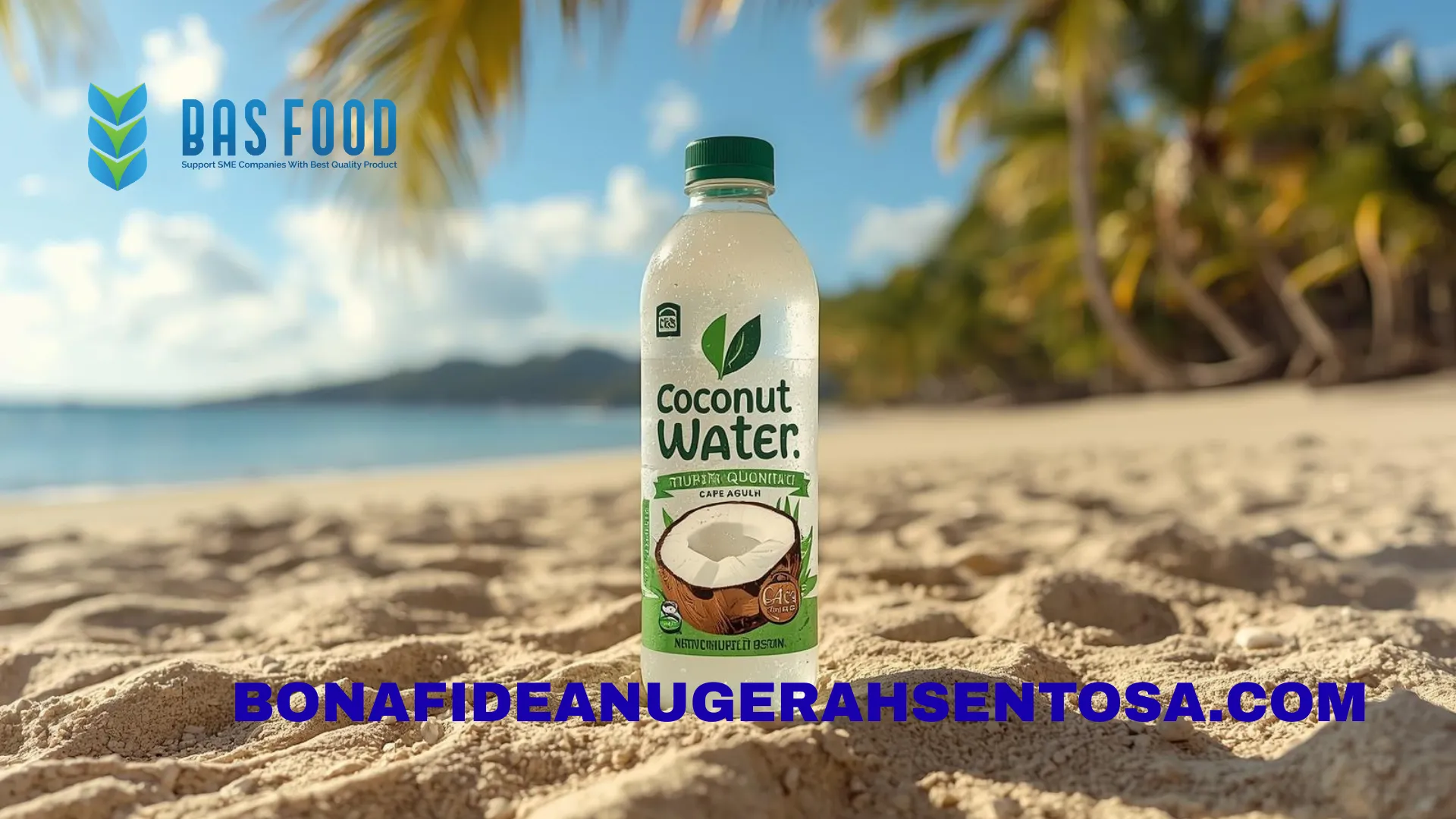
Why the Coconut Water Ingredient Fits Clean-Label Trends
Clean-label development focuses on transparency and recognizable ingredients. Consumers often prefer short ingredient lists with clear sourcing. Therefore, product developers look for raw materials that align with this expectation.
The coconut water ingredient offers a familiar plant-based origin. In addition, it blends well with fruit extracts, botanicals, and plant proteins. This versatility allows brands to maintain label simplicity while supporting taste balance.
Functional Role in Beverage and Food Formulation
R&D teams evaluate ingredients based on technical performance. Coconut water contributes mild sweetness and light body, which can reduce the need for artificial flavor masking.
Moreover, its natural mineral content supports balanced flavor perception in hydration-style beverages. However, brands must use regulatory-safe language and avoid unsupported health claims in labeling.
Developers should test pH interaction and stability with other components. Stability trials remain essential for clean-label shelf life management.
Format Options for Industrial Applications
Choosing the right format impacts production efficiency and cost control. Therefore, sourcing teams must align ingredient format with processing capabilities.
Aseptic Bulk
Aseptic packaging supports ambient storage and large-scale blending. It reduces dependency on cold chain systems and simplifies warehouse management.
Frozen Format
Frozen format maintains original characteristics. However, it requires temperature-controlled shipping and strict cold chain monitoring.
Concentrate
Concentrated coconut water allows flexible dilution during production. It also reduces freight cost and storage space. Brands can explore additional specifications within our coconut derivatives category.
Regulatory Considerations for Clean-Label Claims
Clean-label positioning requires strict compliance with local food laws. Labeling rules differ between the United States, the European Union, and Asia-Pacific markets.
For example, ingredient naming conventions and additive declarations vary. Therefore, regulatory review must occur before finalizing packaging artwork.
Export documentation also plays a role. Certificates of origin and health certificates support cross-border shipments and customs clearance.
Quality Control and International Standards
Consistent quality defines successful ingredient sourcing. Suppliers should operate under HACCP systems and documented hazard analysis frameworks.
Exporters experienced in seafood trade often apply disciplined compliance processes. Handling regulated tuna species demands strong traceability and sanitation systems. The same operational structure benefits coconut-based exports.
CV Bonafide Anugerah Sentosa manages export compliance across coconut products, spices, cocoa derivatives, and Bluefin Tuna shipments. This cross-category expertise strengthens documentation accuracy and quality control consistency.
Cold Chain and Logistics Planning
Logistics planning depends on chosen format. Frozen shipments require reefer containers and temperature logging. Aseptic cargo offers greater flexibility in container selection.
Nevertheless, both formats require pre-shipment inspection and container verification. Proper documentation protects product integrity during transit.
Experience in seafood export regulations enhances cold chain management. Temperature-sensitive fish shipments require precision, which translates into disciplined handling of plant-based ingredients.
International Trade Compliance and Documentation
Clean-label brands operating globally must manage documentation carefully. Standard export documents include commercial invoices, packing lists, and certificates of origin.
Additionally, health certificates confirm food safety compliance. Import managers should review laboratory analysis results before shipment release.
Clear documentation reduces customs inspection risk. Therefore, early coordination between exporter and importer remains critical.
Risk Factors in Clean-Label Ingredient Sourcing
Ingredient inconsistency can affect flavor stability and production yield. Therefore, batch specification review is essential.
Supply chain volatility may also influence raw material availability. Brands should establish long-term sourcing agreements to reduce fluctuation risk.
Documentation errors present another challenge. Incorrect HS codes or mismatched product descriptions can delay customs clearance.
Best Practices for R&D and Procurement Teams
First, request detailed technical data sheets before formulation trials. Clear specifications support predictable product performance.
Second, conduct pilot production using export-grade material. This approach ensures realistic stability outcomes.
Third, maintain open communication with suppliers regarding forecast volumes. Collaborative planning strengthens supply reliability.
CV Bonafide Anugerah Sentosa supports international buyers with structured export documentation and compliance systems. Its experience across regulated seafood, spices, cocoa, and coconut derivatives reinforces operational reliability without aggressive marketing positioning.
Building Long-Term Clean-Label Partnerships
Sustainable clean-label development requires stable sourcing relationships. Strategic partnerships improve traceability and regulatory alignment.
Furthermore, regular supplier audits enhance transparency. Brands that integrate sourcing teams into product strategy often achieve stronger compliance outcomes.
The coconut water ingredient supports clean-label innovation when paired with disciplined quality control and international trade readiness. Careful planning ensures scalability across multiple markets.
Conclusion
The coconut water ingredient offers formulation flexibility and clean-label compatibility for modern beverage and food brands. However, success depends on regulatory awareness, documented quality systems, and structured export coordination.
R&D teams must evaluate format, compliance requirements, and logistics conditions before scaling production. With the right sourcing partner, clean-label development can move forward with confidence and consistency.
FAQ Section
1. Why is coconut water suitable for clean-label formulation?
It has a recognizable plant origin and blends well with simple ingredient lists.
2. What format works best for industrial production?
Aseptic bulk supports large-scale blending, while concentrate reduces freight cost.
3. Does coconut water require refrigerated transport?
Frozen format requires cold chain management, but aseptic packaging does not.
4. What documents support international shipments?
Commercial invoices, packing lists, certificates of origin, and health certificates are commonly required.
5. How can brands ensure ingredient consistency?
They should review technical data sheets, laboratory results, and batch traceability systems.
Contact CV Bonafide Anugerah Sentosa how we can provide the best solutions for you. WhatsApp: +62 8213 4505 737, Email: info@bonafideanugerahsentosa.com / bas.mdir@gmail.com.