
Bluefin Tuna packaging plays a critical role in international seafood trade. Exporters must protect product quality while meeting strict safety and regulatory standards. Within the first stages of export, proper packaging and handling determine whether tuna arrives fresh, safe, and compliant.
For global buyers, Bluefin Tuna packaging is not only about appearance. It reflects hygiene, traceability, and professionalism. Therefore, exporters who follow clear packaging standards gain stronger trust and smoother market access.
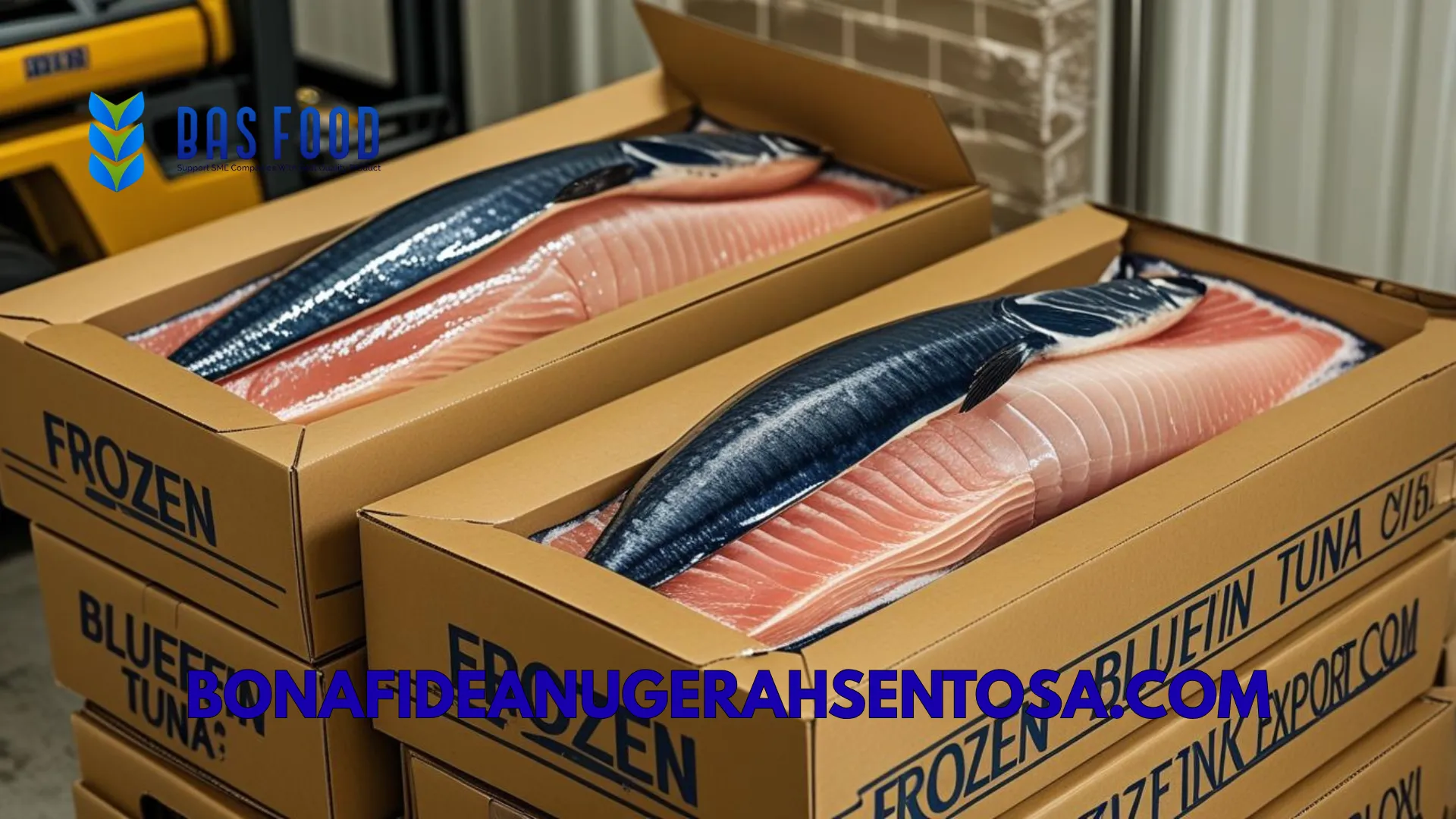
Why Packaging Standards Matter in Bluefin Tuna Export
Bluefin Tuna is a high-value seafood product with strict buyer expectations. Poor handling can reduce quality in hours. As a result, packaging standards become essential from harvest to final delivery.
Moreover, importing countries enforce rules to protect consumers and marine resources. When exporters apply correct Bluefin Tuna packaging, they reduce rejection risks and maintain consistent quality across shipments.
Understanding Buyer Expectations for Bluefin Tuna Packaging
International buyers expect tuna to arrive fresh, clean, and undamaged. They look for clear labeling, food-grade materials, and controlled temperatures. Therefore, packaging must protect both physical condition and food safety.
In addition, buyers prefer standardized packaging formats. These formats make inspection, storage, and resale easier. As a result, exporters should align packaging methods with target market preferences.
Primary Packaging Materials for Bluefin Tuna
Bluefin Tuna packaging usually starts with direct contact materials. These include food-grade plastic liners, vacuum bags, or polyethylene sheets. These materials prevent contamination and moisture loss.
Furthermore, exporters must ensure all materials meet international food safety standards. Using approved packaging reduces chemical risks and improves buyer confidence during inspection.
Secondary Packaging and Insulated Containers
After primary wrapping, tuna moves into insulated containers. These containers help maintain low temperatures during transport. Foam boxes, insulated cartons, or refrigerated bins are common choices.
At the same time, exporters must secure fish properly inside containers. Proper spacing prevents movement and damage. Therefore, secondary packaging supports both protection and temperature stability.
Temperature Control and Cold Chain Management
Temperature control defines the success of Bluefin Tuna packaging. Fresh tuna requires strict cold chain handling from harvest to arrival. Even small temperature changes can affect quality.
For this reason, exporters use ice, gel packs, or refrigerated systems. Continuous monitoring helps maintain required temperatures and supports compliance with import regulations.
Handling Practices Before Packaging
Proper handling starts before packaging begins. Workers must clean, grade, and prepare tuna in hygienic conditions. Clean surfaces and trained staff reduce contamination risks.
In addition, exporters should minimize handling time. Faster processing helps preserve freshness and reduces bacterial growth. Therefore, handling discipline supports packaging effectiveness.
Labeling Requirements for Export Markets
Clear labeling is a core part of Bluefin Tuna packaging. Labels usually include product name, species, weight, origin, and catch method. Some markets also require lot numbers and dates.
Accurate labels support traceability and customs checks. As a result, exporters should ensure labels match documentation exactly to avoid delays or penalties.
Compliance with International Food Safety Regulations
Many countries require compliance with HACCP-based systems. These systems ensure exporters identify and control risks during handling and packaging. Documentation supports this process.
Furthermore, inspectors often review packaging practices during audits. Therefore, exporters must apply consistent standards and maintain records to prove compliance.
Sustainability and Responsible Packaging Choices
Sustainability now influences packaging decisions. Buyers prefer materials that reduce waste and environmental impact. Responsible packaging supports long-term market access.
While safety remains the priority, exporters can choose recyclable or efficient materials where possible. This approach aligns packaging standards with global sustainability goals.
Common Mistakes in Bluefin Tuna Packaging
Some exporters underestimate packaging details. Weak insulation, poor sealing, or incorrect labeling can cause shipment rejection. These errors are costly and avoidable.
To prevent problems, exporters should review packaging processes regularly. Training and quality checks help maintain consistent standards across all shipments.
Role of Experienced Exporters in Packaging Compliance
Working with experienced exporters reduces risk for buyers. Skilled suppliers understand market rules and apply correct packaging methods consistently.
CV Bonafide Anugerah Sentosa is a trusted exporter, supplier, and producer of Bluefin Tuna and other fishery products. The company also supplies spices, cocoa products, and coconut-based products, all managed under strict quality and export standards.
How Proper Packaging Builds Buyer Trust
Packaging reflects an exporter’s professionalism. Clean, secure, and compliant packaging reassures buyers about product integrity. It also simplifies inspection and storage.
Over time, consistent Bluefin Tuna packaging helps build long-term partnerships. Buyers prefer suppliers who deliver reliable quality without issues at customs.
Preparing for Future Packaging Standards
Packaging rules continue to evolve. Digital tracking, improved insulation, and stricter safety rules are becoming common. Exporters must stay informed to remain competitive.
By investing in systems and training, exporters can adapt early. This readiness protects market access and supports business growth.
Conclusion: Packaging as a Competitive Advantage
Bluefin Tuna packaging is more than a technical step. It connects quality, safety, and trust in global trade. Exporters who apply clear standards gain stronger positions in international markets.
With proper handling, compliant materials, and experienced partners, businesses can meet buyer expectations and support sustainable seafood trade.
Contact CV Bonafide Anugerah Sentosa how we can provide the best solutions for you. WhatsApp: +62 8213 4505 737, Email: info@bonafideanugerahsentosa.com / bas.mdir@gmail.com.