
Ice cream may look simple on the surface, but behind every smooth scoop lies a carefully engineered formula. Fat selection plays a major role in texture, mouthfeel, shelf stability, and even how ice cream melts. Over the last few decades, one ingredient has quietly become essential in large-scale production: RBD coconut oil in ice cream industry applications.
From multinational brands to regional manufacturers, many producers rely on RBD coconut oil to achieve consistency at scale. This article explains what RBD coconut oil is, why it works so well in ice cream, and how buyers and manufacturers evaluate it as a strategic ingredient. The goal is clarity, not hype, written in a human, encyclopedia-style tone that helps both technical and commercial readers.
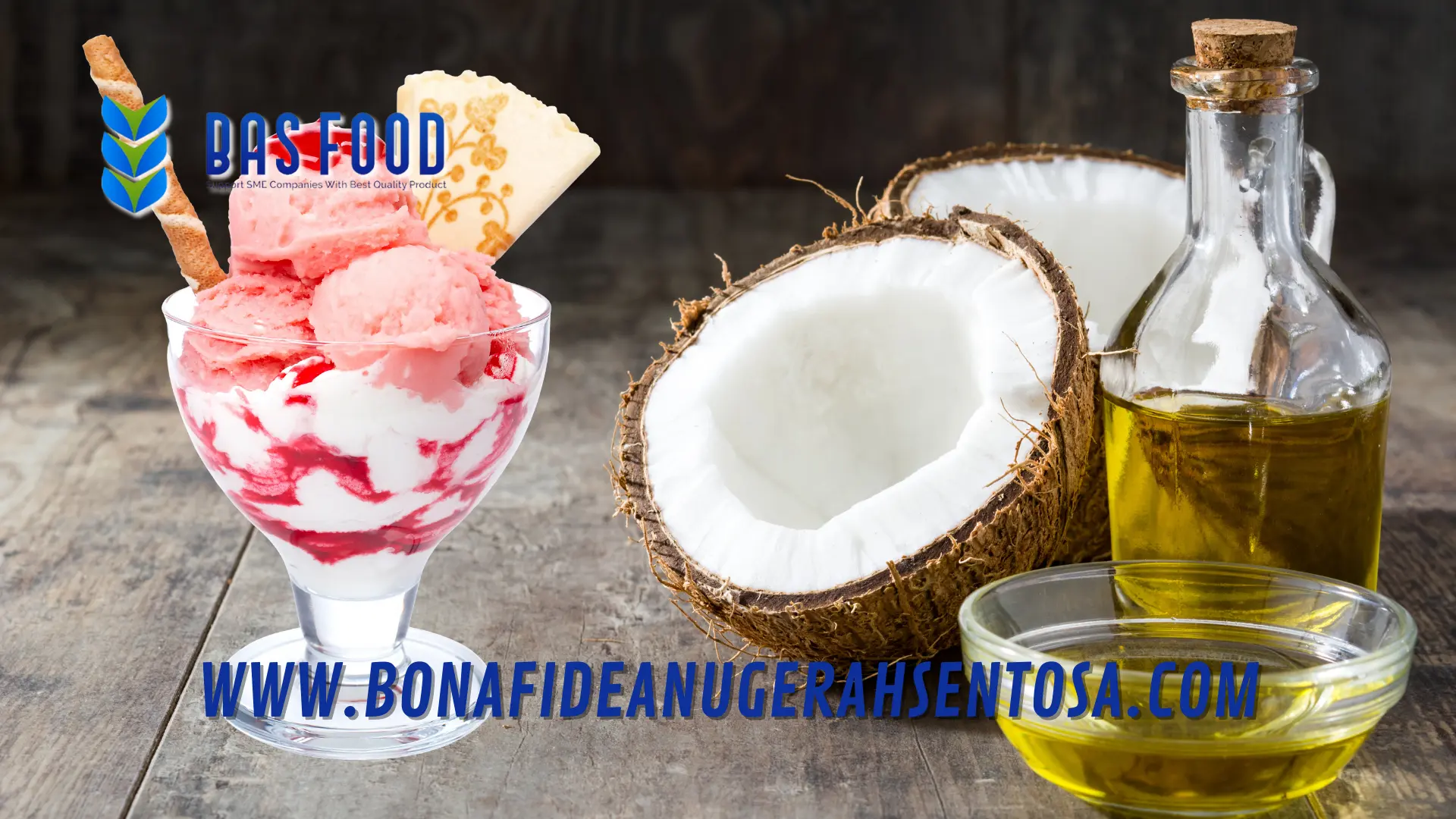
What Is RBD Coconut Oil and Why It Matters
RBD coconut oil stands for Refined, Bleached, and Deodorized coconut oil. The process removes impurities, odors, and color while maintaining the oil’s functional fat profile. As a result, the oil becomes neutral in taste and aroma, making it ideal for food manufacturing.
In the ice cream sector, neutrality is critical. Producers want fat that supports structure without influencing flavor. RBD coconut oil delivers exactly that. It integrates seamlessly with dairy or plant-based ingredients, allowing flavorings like vanilla, chocolate, or fruit to remain dominant.
The Role of Fat in Ice Cream Formulation
Fat is not just a calorie source in ice cream. It shapes texture, controls melting behavior, and contributes to creaminess. Without the right fat structure, ice cream becomes icy, brittle, or unstable during storage.
This is where RBD coconut oil in ice cream industry formulations stands out. Its specific melting point helps ice cream stay solid in the freezer while melting smoothly in the mouth. That balance is hard to achieve with many other vegetable oils.
Why RBD Coconut Oil Performs Better Than Alternatives
Compared to liquid vegetable oils, RBD coconut oil contains a higher proportion of saturated fatty acids. This structure gives it semi-solid properties at room temperature, which is valuable in frozen desserts.
At the same time, it avoids the flavor challenges associated with butterfat or unrefined coconut oil. Manufacturers benefit from predictable performance, easier processing, and fewer sensory complications.
Texture and Mouthfeel Advantages
One of the biggest reasons producers choose RBD coconut oil in ice cream industry use is texture control. The oil contributes to a creamy mouthfeel without excessive heaviness.
It also improves aeration stability. During churning, fat globules help trap air. RBD coconut oil supports this process, resulting in a smoother, lighter product that holds its structure during storage and transport.
Melting Behavior and Heat Resistance
Ice cream must survive temperature fluctuations from factory to freezer to retail display. Poor fat selection leads to rapid melting and shape loss.
RBD coconut oil offers controlled melting characteristics. It slows down collapse while maintaining a pleasant melt-in-mouth sensation. This balance reduces product waste and improves consumer experience.
Shelf Life and Oxidative Stability
Oxidation is a major concern in frozen desserts, especially during long storage periods. Off-flavors develop when fats oxidize.
Because RBD coconut oil is refined and deodorized, it has strong oxidative stability. This makes it suitable for long distribution chains and export-oriented ice cream production.
Application in Dairy-Based Ice Cream
In traditional dairy ice cream, RBD coconut oil often partially replaces milk fat. This allows producers to control cost while maintaining consistent quality.
The oil blends well with milk solids and emulsifiers. When properly formulated, consumers cannot distinguish the difference in flavor, yet manufacturers gain flexibility in sourcing and pricing.
Application in Non-Dairy and Vegan Ice Cream
Plant-based ice cream relies heavily on fat performance. Without dairy fat, texture challenges increase.
Here, RBD coconut oil in ice cream industry plant-based formulations becomes even more important. It provides body, smoothness, and structure that many other plant oils cannot achieve on their own.
Processing Efficiency in Industrial Production
Large-scale ice cream manufacturing demands ingredients that behave consistently in automated systems. RBD coconut oil meets this requirement well.
It flows predictably when melted, solidifies uniformly, and does not clog equipment. These properties reduce downtime and improve production efficiency.
Cost Stability and Supply Reliability
Ice cream producers operate on tight margins. Fluctuating dairy prices push manufacturers to explore alternative fats.
RBD coconut oil offers relatively stable pricing and global availability. Countries like Indonesia play a major role in coconut oil supply, supporting long-term sourcing strategies.
Regulatory Acceptance and Food Safety
RBD coconut oil is widely accepted by food authorities across major markets. It meets international food safety standards when produced under proper controls.
This regulatory clarity simplifies product registration and export documentation, especially for manufacturers selling ice cream across borders.
Sustainability and Responsible Sourcing
Sustainability increasingly influences ingredient selection. Coconut oil sourced from responsible producers supports environmental and social goals.
Suppliers that work directly with farmers and operate traceable supply chains add long-term value to ice cream brands.
How Buyers Evaluate RBD Coconut Oil Quality
Professional buyers assess several parameters, including melting profile, free fatty acid levels, and moisture content.
Consistent specifications across shipments indicate a reliable supplier. Poor-quality oil leads to texture defects and shelf-life issues in finished products.
Indonesia’s Role in the Global Coconut Oil Market
Indonesia is one of the world’s largest coconut producers. Its tropical climate and established processing infrastructure support large-scale RBD coconut oil production.
This position makes Indonesian suppliers strategic partners for the global ice cream industry.
CV Bonafide Anugerah Sentosa as a Trusted Supplier
CV Bonafide Anugerah Sentosa operates as a trusted fishery, spices, cocoa, and coconut supplier and producer from Indonesia. With experience in export-oriented supply chains, the company supports manufacturers seeking reliable RBD coconut oil sourcing.
Their understanding of international standards, logistics, and long-term partnerships aligns well with the needs of industrial ice cream producers.
Common Misconceptions About Coconut Oil in Ice Cream
Some consumers assume coconut oil always adds coconut flavor. RBD processing eliminates this issue entirely.
Another misconception is that coconut oil compromises creaminess. In reality, when formulated correctly, it enhances texture consistency.
Future Trends in Ice Cream Fat Formulation
As demand for plant-based and cost-efficient products grows, the role of RBD coconut oil in ice cream industry applications will likely expand.
Manufacturers continue to innovate with blends and processing techniques that maximize performance while meeting clean-label expectations.
Final Thoughts on RBD Coconut Oil in Ice Cream
RBD coconut oil is not a shortcut ingredient. It is a strategic choice backed by functionality, stability, and global acceptance.
For producers seeking consistent quality at scale, it remains one of the most reliable fats in modern ice cream manufacturing. When sourced from experienced suppliers like CV Bonafide Anugerah Sentosa, it becomes a foundation for long-term production success.
Contact CV Bonafide Anugerah Sentosa how we can provide the best solutions for you. WhatsApp: +62 8213 4505 737, Email: info@bonafideanugerahsentosa.com / bas.mdir@gmail.com.