
The global shift toward natural, sustainable, and health-conscious ingredients has transformed how the food and beverage industry operates. One standout ingredient leading this transformation is coconut sugar. Extracted from the sap of coconut flower blossoms, coconut sugar in the food industry has become a favorite alternative to refined sugar in modern formulations.
Today, the role of coconut sugar in food industry goes far beyond being just a sweetener. It’s valued for its rich caramel taste, appealing color, nutritional content, and sustainability. Food manufacturers are increasingly using it to meet consumer demand for clean-label products that balance flavor, function, and eco-friendly sourcing.
As one of Indonesia’s leading exporters, CV Bonafide Anugerah Sentosa supplies premium-quality coconut sugar to global markets. The company’s focus on sustainability, ethical sourcing, and community empowerment makes it a trusted partner for businesses looking to integrate natural sweetener applications into their products.
The Science Behind Coconut Sugar’s Appeal
What Makes Coconut Sugar Unique
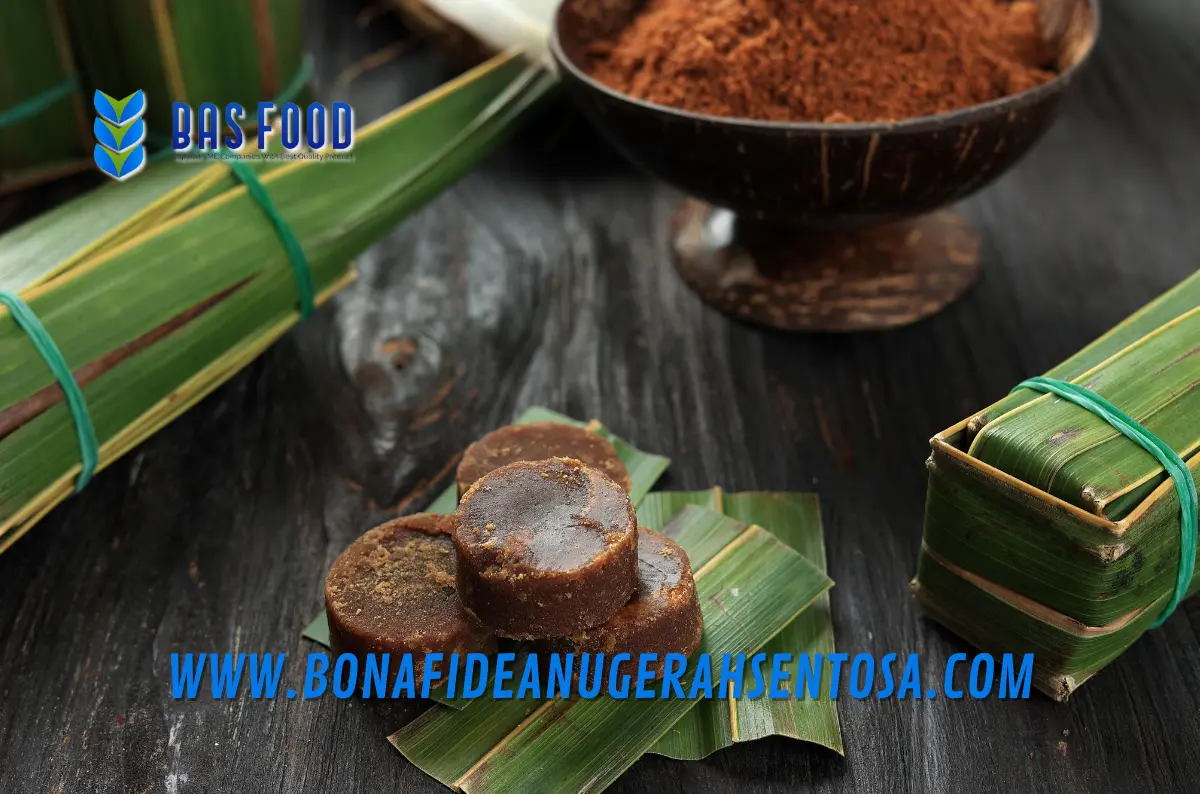
Coconut sugar is derived from the sap of coconut palm flowers through gentle heating and evaporation. Unlike refined white sugar, which undergoes multiple stages of chemical processing, coconut sugar retains trace minerals like potassium, zinc, and iron. Its rich, molasses-like flavor and golden-brown color give it a distinctive edge in various food applications.
From a production standpoint, coconut sugar has a lower carbon footprint compared to cane sugar. Coconut palms are highly efficient—they require less water, thrive in diverse climates, and produce sap throughout the year without harming the tree. This makes it a sustainable option for industries seeking long-term environmental responsibility.
Functional Benefits for Manufacturers
In modern food manufacturing sweeteners, functionality matters as much as flavor. Coconut sugar provides a gentle sweetness that complements rather than overpowers other ingredients. It also contributes natural color, aroma, and viscosity, making it ideal for a wide range of applications—from bakery items to beverages.
Its consistent performance in heat-stable formulations also allows manufacturers to use it in baked, cooked, or dried products without losing sweetness or flavor integrity.
Coconut Sugar in Food Industry: Key Applications
Baked Goods and Confectionery
Coconut sugar’s caramel flavor and smooth texture make it perfect for bakery and confectionery products. Bakers love it for its ability to blend seamlessly into dough and batter, producing rich color and balanced sweetness in cookies, cakes, and pastries.
In confectionery, it serves as a natural sweetener application that enhances the overall taste profile. From toffees to chocolate coatings, coconut sugar provides depth of flavor that refined sugar often lacks. Plus, it aligns with growing consumer demand for clean-label desserts.
Dairy and Non-Dairy Formulations
In both dairy and plant-based products, coconut sugar adds body, flavor, and natural color. It’s used in yogurts, ice creams, and vegan alternatives like oat or coconut milk beverages. Its mild sweetness pairs well with fruit flavors and plant-based proteins, offering formulators a flexible ingredient that maintains consistency across batches.
For CV Bonafide Anugerah Sentosa, these applications represent key export categories where high-quality, standardized coconut sugar helps international brands innovate their formulations.
Coconut Sugar for Beverages: A Natural Flavor Enhancer
Perfect for Cold and Hot Drinks
Among the fastest-growing applications, coconut sugar for beverages is making waves in the industry. From ready-to-drink teas and coffees to smoothies and health tonics, it provides a naturally balanced sweetness that works in both hot and cold liquids.
Unlike artificial sweeteners or syrups, coconut sugar dissolves easily and doesn’t leave an aftertaste. It also complements coffee and cocoa-based drinks with its mild caramel notes, making it a favorite among craft beverage producers.
Functional Drinks and Energy Formulations
As functional beverages gain popularity—think energy drinks, herbal infusions, and sports recovery products—manufacturers are turning to natural sweeteners that align with wellness trends. Coconut sugar fits perfectly into these formulations thanks to its natural origin and compatibility with vitamins, herbs, and plant-based extracts.
Brands aiming for authenticity and transparency in labeling prefer coconut sugar to synthetic sweeteners, helping them maintain consumer trust while delivering flavor and functionality.
Clean Label and Sustainability Trends in Sweeteners
Meeting the Demand for Transparency
Consumers today want to know where their food comes from, how it’s made, and who benefits from its production. Coconut sugar checks all the boxes for traceability, sustainability, and community impact.
Producers like CV Bonafide Anugerah Sentosa maintain direct relationships with coconut sap farmers across Indonesia. This ensures fair pricing, ethical labor practices, and consistent product quality. Such sourcing models reinforce coconut sugar’s value as a fair trade sweetener and align with global sustainability goals.
Eco-Friendly Production and Minimal Processing
Coconut sugar production supports biodiversity and green agriculture. Coconut trees require fewer inputs compared to cane, and the traditional tapping method allows continuous sap collection without cutting down trees. The production process itself involves minimal energy and no chemical additives—just heating, cooling, and drying.
For manufacturers, using coconut sugar supports both corporate sustainability commitments and environmental responsibility while maintaining excellent product quality.
Functional Roles of Coconut Sugar in Modern Recipes
Texture, Color, and Moisture Retention
In addition to its sweetness, coconut sugar plays several functional roles in product formulation. Its natural caramelization contributes to attractive golden hues in baked goods and confectionery. It also helps retain moisture, extending the shelf life of cookies, muffins, and granola bars.
When used in sauces or syrups, it adds smooth viscosity and stability. This makes it valuable in food manufacturing sweeteners, where balancing consistency and mouthfeel is essential.
Compatibility with Other Ingredients
Coconut sugar’s neutral pH and non-reactive properties make it compatible with a wide variety of ingredients—whether it’s dairy proteins, fruit acids, or plant-based components. Manufacturers find it easy to integrate into formulations without affecting flavor stability or structural integrity.
This versatility explains why many global brands are reformulating products to include coconut sugar as part of their ingredient innovation strategy.
Comparing Coconut Sugar with Other Natural Sweeteners
Flavor and Performance
While other natural sweeteners like agave, maple syrup, or honey have their advantages, coconut sugar stands out for its balance of flavor, cost-efficiency, and functionality. It provides a clean, mild sweetness with a hint of caramel—without overpowering other flavors.
Moreover, its granular form makes it easy to measure, mix, and process in large-scale food production. This practical advantage positions coconut sugar as a go-to choice for brands aiming to reduce refined sugar content while maintaining taste and texture.
Shelf Stability and Versatility
Coconut sugar’s relatively low moisture content gives it excellent shelf stability. It doesn’t clump easily and remains free-flowing even in humid environments, which is crucial for industrial handling. Whether used in dry blends, baked products, or beverages, it maintains consistent sweetness and color.
In contrast, syrups or honey often require specific temperature control and have shorter shelf lives, making coconut sugar a more versatile choice for long-term storage and export logistics.
Indonesia: The Global Leader in Coconut Sugar Supply
Indonesia holds a key position as the world’s largest producer and exporter of coconut sugar. The country’s tropical climate, fertile soil, and experienced farming communities make it an ideal location for sustainable coconut sap production.
At the heart of this thriving sector is CV Bonafide Anugerah Sentosa, a trusted supplier and exporter of coconut sugar, spices, and fishery products. The company works closely with smallholder farmers across Java and other regions, ensuring both consistent quality and social responsibility.
Their integrated supply chain—from sap collection to packaging—meets international standards for food safety and organic certification. This makes them a reliable partner for global importers seeking premium, ethically sourced coconut sugar in food industry applications.
How Manufacturers Benefit from Coconut Sugar Integration
Aligning with Market Trends
Integrating coconut sugar into formulations allows brands to tap into key consumer trends: natural ingredients, sustainability, and authentic sourcing. As more people seek cleaner, minimally processed foods, manufacturers using coconut sugar gain a clear market advantage.
Coconut sugar also aligns with the “better-for-you” category, which emphasizes real ingredients and transparency over artificial sweeteners or additives.
Scalable and Consistent Supply
From small-scale artisanal producers to multinational food corporations, scalability is essential. CV Bonafide Anugerah Sentosa ensures consistent supply through farmer partnerships, modern facilities, and strict quality control. Their logistics expertise also helps global buyers meet production timelines with minimal disruptions.
This reliability makes Indonesian coconut sugar an attractive choice for companies producing at industrial scale while maintaining product integrity.
The Future of Coconut Sugar in Food Innovation
The future looks bright for coconut sugar as more manufacturers explore natural sweetener applications across diverse product categories. With innovations in drying technology, blending, and organic certification, coconut sugar’s role in modern formulations will only expand.
Expect to see it used in everything from plant-based protein bars to functional teas and natural syrups. As global consumers continue to favor sustainable and traceable ingredients, coconut sugar’s position in the food and beverage industry will become even more significant.
Through responsible exporters like CV Bonafide Anugerah Sentosa, this natural ingredient not only reaches global shelves but also uplifts farming communities—creating a truly sustainable sweetener ecosystem.
Conclusion: Coconut Sugar as the Future of Food Formulations
Coconut sugar has evolved from a traditional sweetener to a modern essential in food and beverage manufacturing. Its balance of taste, function, and sustainability makes it a powerful ingredient for brands aiming to innovate responsibly.
From baked goods to beverages, coconut sugar in food industry applications continue to grow, proving that nature’s simplest ingredients can play a leading role in shaping global trends. And with trusted suppliers like CV Bonafide Anugerah Sentosa, businesses worldwide can depend on a steady supply of ethically produced, high-quality coconut sugar.
As consumers demand more from what they eat, coconut sugar stands as a symbol of natural goodness, environmental care, and global collaboration—sweetening the world, one product at a time.
Contact CV Bonafide Anugerah Sentosa how we can provide the best solutions for you. WhatsApp: +62 8213 4505 737, Email: info@bonafideanugerahsentosa.com / bas.mdir@gmail.com.