
Coconut sugar has become one of the most talked-about natural sweeteners in the global market. But what makes it so versatile is not just its origin or flavor—it’s the wide range of types of coconut sugar available today. From granulated coconut sugar that looks like brown sugar, to smooth liquid coconut sugar, each variety serves unique purposes in culinary and manufacturing applications.
Produced from the sap of coconut flower blossoms, coconut sugar offers a natural caramel taste. It has a lower level of refinement compared to white cane sugar. This makes it a favorite among consumers looking for natural sweetness. It is also popular among manufacturers searching for sustainable coconut sugar product forms for food and beverage formulations.
In Indonesia, one of the world’s largest producers of coconut sugar, companies like CV Bonafide Anugerah Sentosa have elevated this traditional ingredient into a global export commodity. As a trusted coconut, fishery, and spices supplier, they bridge the gap between smallholder farmers and international buyers. They bring authenticity, quality, and sustainability together.
The Origins of Coconut Sugar Production
Before diving into the different types of coconut sugar, it’s important to understand where it all begins. The process starts with tapping the sap from the flower bud of the coconut palm. Farmers collect the fresh nectar daily, which is then gently heated to evaporate the moisture content and convert it into various sugar forms.
This process is centuries old and deeply rooted in rural Indonesian communities. It combines traditional craftsmanship with sustainable practices. Every step—from sap collection to final drying—is done with care to maintain purity and flavor.
Depending on how the sap is processed, stirred, or cooled, the sugar can take on different textures and consistencies, resulting in the granulated, liquid, or block forms we see on the market today. Each type serves a distinct role in both household and industrial applications.
Granulated Coconut Sugar: The Most Popular Form
Texture and Appearance
Among all types of coconut sugar, the granulated coconut sugar form is by far the most popular. It resembles brown sugar, with fine or coarse grains that make it incredibly versatile. Its color ranges from light golden brown to deep amber, depending on the level of caramelization during the boiling process.
This sugar form is prized for its ease of use—it dissolves quickly, mixes well with dry ingredients, and adds a warm, caramel-like sweetness to foods and beverages. Unlike refined sugars, granulated coconut sugar retains trace minerals such as potassium, magnesium, and zinc from the coconut sap.
Uses and Applications
Granulated coconut sugar is widely used in food processing, baking, confectionery, and beverages. Manufacturers prefer it as a natural sweetener that fits into clean-label products. It’s ideal for use in cookies, sauces, cereals, chocolate bars, and instant drink powders.
Moreover, because it can be easily measured and stored, granulated coconut sugar is a practical alternative to cane sugar for both home cooks and large-scale food producers. Its balanced flavor enhances sweetness without overwhelming other ingredients.
Liquid Coconut Sugar: The Syrupy Sweetness
Composition and Characteristics
The liquid coconut sugar variety, also known as coconut nectar, is essentially the concentrated form of coconut sap before it solidifies. It has a rich amber color, smooth viscosity, and deep, molasses-like aroma. Unlike granulated forms, liquid coconut sugar retains more of the sap’s natural enzymes and flavor compounds.
Liquid coconut sugar is perfect for applications where moisture retention is crucial. It blends easily into beverages, marinades, dressings, and sauces, offering a smooth texture and natural caramel notes.
Why Industries Love It
For the beverage and health food industries, liquid coconut sugar serves as a clean-label syrup alternative to refined corn syrup or honey. It’s easier to mix in cold or hot liquids and provides consistent sweetness with a distinct tropical character.
Industrial producers often use liquid coconut sugar in energy drinks, vegan desserts, ice creams, and plant-based yogurts. It also acts as a natural humectant, helping maintain moisture in baked or dried products.
Block Coconut Sugar: Tradition in Its Purest Form
A Cultural and Historical Sweetener
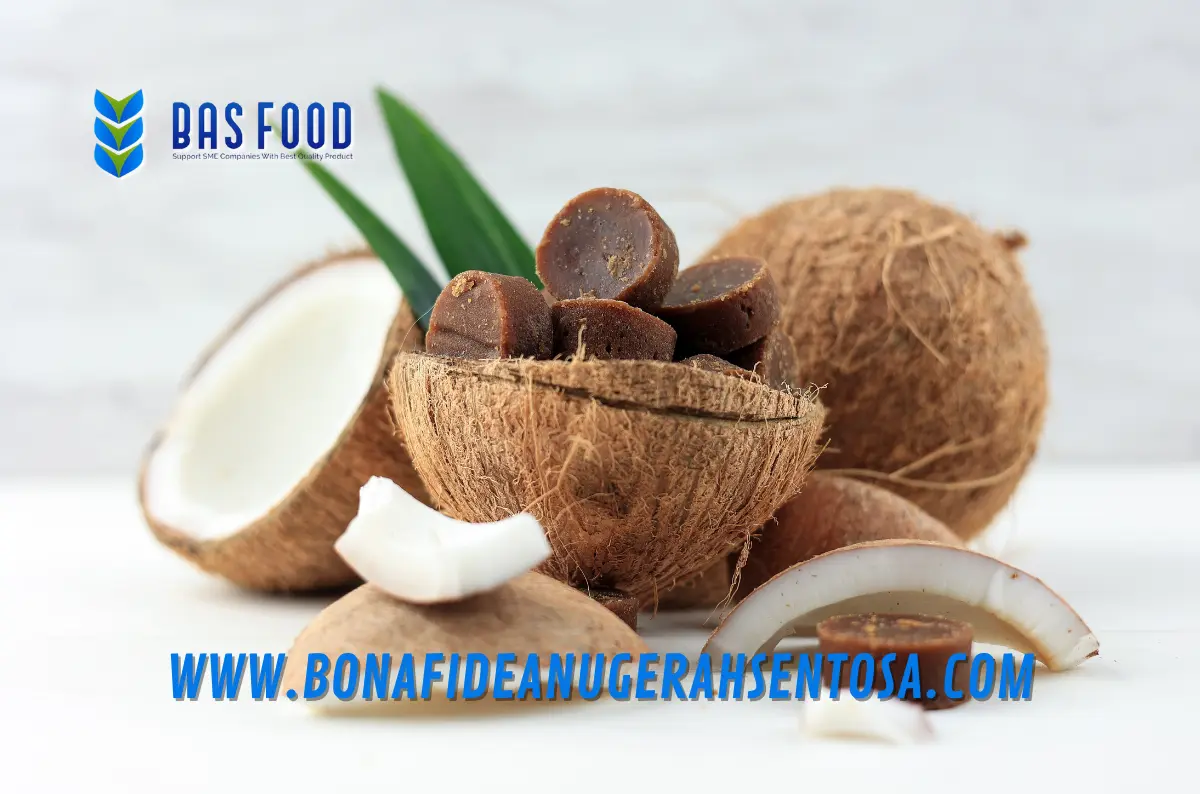
The block coconut sugar form, also known locally as gula merah or gula jawa, represents the most traditional style of coconut sugar production. The freshly boiled sap is poured into bamboo molds or coconut shells and left to solidify into dense blocks.
This form has been used for centuries in Southeast Asia for traditional cooking, offering a pure, rustic sweetness that connects deeply with local culture. It’s the preferred choice for making Indonesian delicacies such as jenang, kolak, and dodol.
Industrial Relevance Today
While block coconut sugar is often associated with local markets, it’s increasingly sought after by manufacturers looking for authentic and less-processed sugar forms. Many buyers now request block sugar for further industrial refinement or for export as part of traditional sweetener portfolios.
Producers like CV Bonafide Anugerah Sentosa help modernize its production without losing its authenticity—ensuring consistent size, hygiene, and packaging that meet global food safety standards.
Coconut Sugar Product Forms in Modern Manufacturing
Adapting to Industry Needs
The diversity in coconut sugar product forms makes it adaptable to various manufacturing needs. Food processors can choose between granulated, liquid, or block forms depending on the application, processing requirements, and desired flavor profiles.
For example, granulated sugar is ideal for dry mixes and snack coatings. Meanwhile, liquid sugar works well for ready-to-drink beverages or sauces. Block sugar, on the other hand, can be melted or ground for traditional recipes and specialty exports.
Sustainability and Scalability
What makes coconut sugar attractive to global industries is its sustainable production. Coconut trees are perennial and produce sap throughout the year without needing replanting. This makes them an eco-friendly source of natural sweeteners compared to resource-intensive sugarcane plantations.
Exporters such as CV Bonafide Anugerah Sentosa ensure consistency in quality and volume through farmer partnerships and integrated processing facilities. Their sourcing model supports both industrial buyers and sustainable agriculture at the community level.
Comparing the Three Coconut Sugar Varieties
Flavor and Texture
Each form of coconut sugar offers a unique sensory experience. Granulated coconut sugar provides a mild, caramel-like sweetness that blends easily. Liquid coconut sugar delivers a richer, deeper flavor ideal for syrups and sauces. Block coconut sugar carries the most intense, earthy sweetness reminiscent of traditional palm sugar.
Practical Differences
When it comes to storage and handling, granulated sugar wins for its long shelf life and low moisture. Liquid sugar, while convenient, requires airtight containers to prevent fermentation. Block sugar, though durable, must be grated or melted before use in certain recipes.
Ultimately, the best choice depends on the product you’re making—whether it’s beverages, baked goods, or traditional desserts. Each form brings its own strengths to the table.
The Role of Indonesia in Supplying Coconut Sugar Globally
Indonesia stands as the world’s largest producer and exporter of coconut sugar. It accounts for a significant portion of global supply. The country’s tropical climate, rich soil, and generations of skilled coconut sap farmers make it an ideal location for large-scale yet sustainable sugar production.
Indonesian producers have also adapted to international standards, ensuring traceability, organic certification, and consistent product quality. Exporters like CV Bonafide Anugerah Sentosa work closely with local communities to improve production capacity while preserving the authenticity that global buyers seek.
This integration of tradition, technology, and sustainability has positioned Indonesia as a leading force in the global coconut sugar trade.
CV Bonafide Anugerah Sentosa: Your Trusted Coconut Sugar Supplier
CV Bonafide Anugerah Sentosa is a trusted Indonesian exporter specializing in coconut products, spices, and fishery commodities. With a commitment to sustainability and ethical sourcing, the company ensures that every batch of coconut sugar meets international quality standards.
From granulated coconut sugar for food industries, to liquid and block coconut sugar for specialty markets, the company provides diverse product options tailored to global client needs. Working directly with farmer cooperatives, they help support rural communities, promote green agriculture, and ensure fair trade practices.
Their dedication to quality and transparency makes them a reliable partner for importers seeking authentic, sustainable, and versatile coconut-based ingredients from Indonesia.
Conclusion: Choosing the Right Coconut Sugar for Your Needs
Exploring the types of coconut sugar reveals how versatile this natural sweetener truly is. Whether in granulated, liquid, or block form, each type brings its own flavor, texture, and functional benefits to the table.
For food manufacturers and conscious consumers alike, understanding these varieties means making smarter, more sustainable choices. With trusted producers like CV Bonafide Anugerah Sentosa, businesses can access ethically sourced, premium-quality coconut sugar that supports both product innovation and community empowerment.
In the end, coconut sugar isn’t just a sweetener—it’s a story of nature, culture, and craftsmanship that continues to shape global food industries.
Contact CV Bonafide Anugerah Sentosa how we can provide the best solutions for you. WhatsApp: +62 8213 4505 737, Email: info@bonafideanugerahsentosa.com / bas.mdir@gmail.com.