
The global demand for coconut products continues to rise every year. Importers need a partner who understands international standards perfectly. Finding the right shredded coconut supplier ensures your business maintains quality. You must evaluate several critical factors before signing any contracts. This process protects your brand reputation and satisfies your customers.
Many buyers overlook basic compliance checks during their search. They focus only on price instead of long-term value. However, quality issues can cost you much more in the long run. You need a partner who prioritizes safety and consistency above all else. This guide helps you make the best decision for your company.
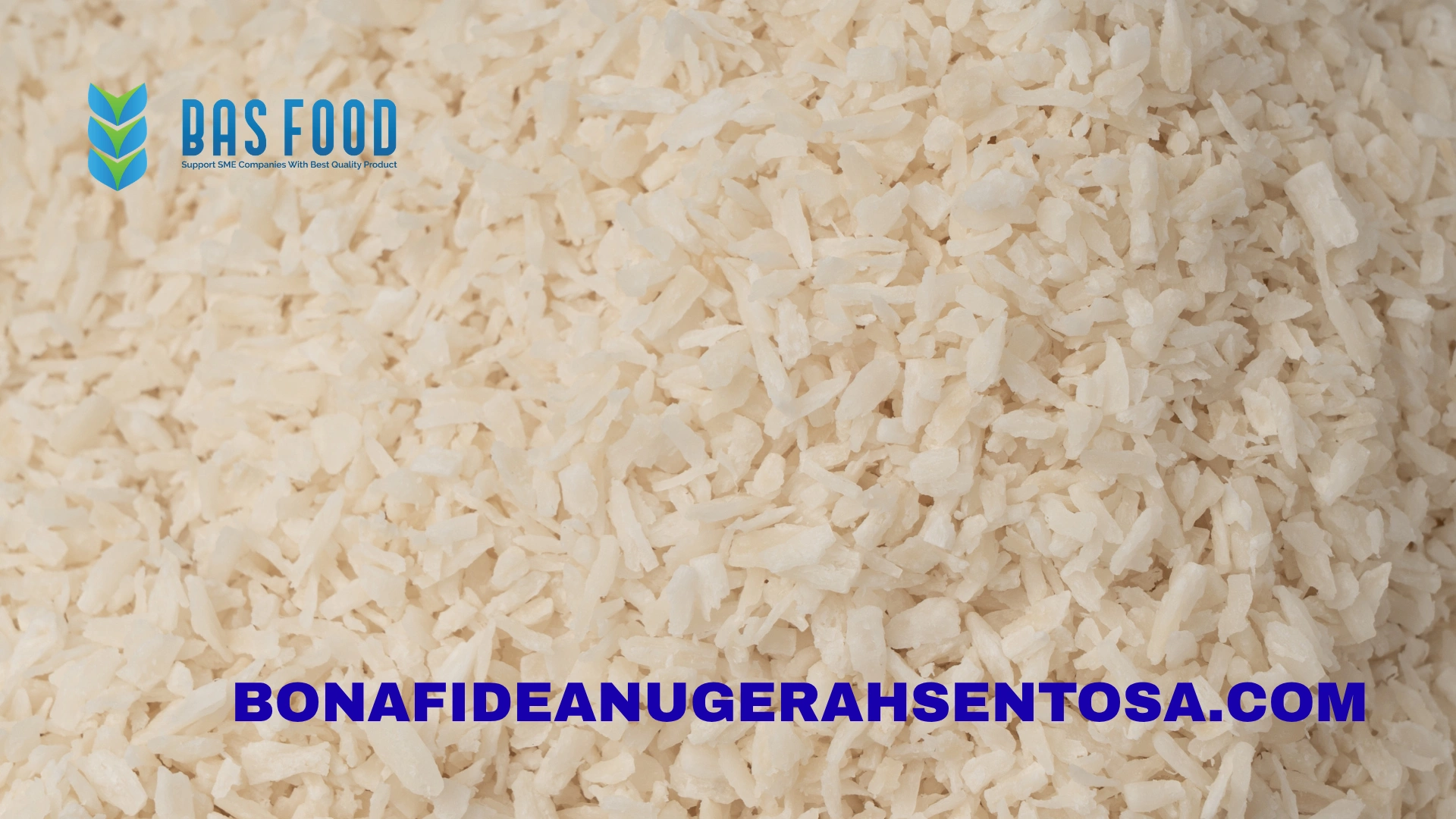
How to Identify a Reliable Shredded Coconut Supplier
You must start by defining your specific quality requirements clearly. Different markets demand different textures and moisture levels. A reliable shredded coconut supplier understands these nuances well. They ask questions about your target audience and usage. This approach shows they care about your specific needs.
Next, you should request physical samples before placing large orders. Taste and texture vary significantly between production batches. You need to verify the color and aroma match your expectations. Testing samples prevents costly mistakes during mass production. Therefore, always insist on pre-shipment samples.
Finally, check their communication speed and clarity. Responsive teams indicate strong organizational skills. They answer your technical questions without delay. Good communication builds trust between both parties. You want a partner who listens to your concerns actively.
Verifying Food Safety Certifications
Safety certifications prove the factory follows strict hygiene protocols. You should look for HACCP and ISO 22000 certifications specifically. These documents show the manufacturer controls hazards effectively. International retailers often require these papers for shelf placement. Consequently, missing certificates limit your market access.
Additionally, verify if they hold FDA registration for the US market. European buyers need compliance with EU food safety regulations. The supplier must provide recent audit reports upon request. You cannot accept expired or invalid documentation. Always validate these files with the issuing authority.
Moreover, ask about their internal testing procedures. Do they test every batch for contaminants? Strong suppliers maintain rigorous internal quality control labs. They reject raw materials that fail their standards. This diligence ensures every shipment meets safety laws.
Assessing Production Capacity and Scalability
Your business might grow faster than you expect soon. Therefore, your partner must handle increased order volumes easily. Ask about their maximum monthly production output clearly. They should demonstrate flexibility during peak seasons. Scalability prevents supply chain disruptions during high demand.
Furthermore, inquire about their raw material sourcing stability. Do they have contracts with local farmers? A steady supply of fresh coconuts supports consistent production. They must manage harvest cycles effectively throughout the year. This strategy avoids shortages during dry seasons.
In addition, check their workforce size and shift patterns. Multiple shifts indicate higher production capability. They can rush orders when necessary without compromising quality. You need a team that adapts to your timeline. Consequently, verify their labor resources before committing.
Evaluating Supply Chain Transparency
Transparency builds confidence between importers and exporters. You should know exactly where the coconuts originate. Ethical sourcing matters to modern consumers greatly. The supplier must trace batches back to specific farms. This traceability supports sustainability claims on your packaging.
Moreover, ask about their labor practices and community impact. Responsible companies treat workers fairly and safely. They avoid child labor and ensure fair wages. You can request social compliance audit reports for verification. Ethical supply chains protect your brand from scandals.
Additionally, understand their environmental management policies. Do they use waste coconut husks for fuel? Sustainable practices reduce the carbon footprint of your product. Buyers prefer eco-friendly suppliers increasingly. Therefore, prioritize partners with green initiatives.
Checking Packaging and Labeling Compliance
Packaging protects the product during long ocean voyages. You must ensure materials meet food-grade safety standards. Moisture barriers prevent spoilage during transit effectively. The supplier should offer custom labeling options for your brand. Clear labeling helps you comply with local retail laws.
Next, verify if they follow import country labeling rules. Ingredients and allergen warnings must appear correctly. Mistakes here lead to customs seizures or fines. The supplier needs experience with your specific destination market. They should review artwork before printing begins.
Furthermore, discuss palletization and container loading methods. Proper stacking prevents damage during shipping operations. They must use fumigation treatments for wooden pallets. International standards require specific heat treatments for wood. Consequently, confirm these details to avoid port delays.
Analyzing Pricing and Payment Terms
Price matters, but the lowest rate often hides risks. You should compare total landed costs instead of unit prices. Shipping, insurance, and duties affect your final margin. A transparent shredded coconut supplier provides detailed cost breakdowns. This clarity helps you budget accurately for the future.
Additionally, negotiate payment terms that protect both parties. Letter of Credit options reduce financial risk significantly. Avoid paying 100% upfront before production starts. Standard terms often involve a deposit and balance upon shipment. You need secure transaction methods for large orders.
Moreover, ask about price stability clauses in the contract. Coconut prices fluctuate based on harvest yields. Fixed prices for long-term contracts offer budget certainty. They should explain how market changes affect costs. Understanding this dynamic prevents unexpected price hikes.
Reviewing Shipping and Logistics Capabilities
Logistics expertise ensures your cargo arrives on time. The supplier should handle export documentation professionally. They must coordinate with freight forwarders efficiently. Delays at the port cost money and damage relationships. Therefore, choose a partner with strong shipping networks.
Next, confirm their experience with refrigerated or dry containers. Shredded coconut usually ships in dry containers with liners. However, specific markets might require temperature control. They must know the best routing for your destination. Efficient routing reduces transit time and risk.
In addition, ask about their insurance coverage policies. Marine insurance protects your investment against loss. The supplier should assist in filing claims if issues arise. You need a team that supports you after loading. Comprehensive logistics support simplifies your import process.
Ensuring Consistent Moisture Content Control
Moisture content determines the shelf life of the product. High moisture leads to mold growth during storage. You must specify exact moisture percentage limits in contracts. The supplier needs drying technology to meet these specs. Consistent drying prevents customer complaints about spoilage.
Moreover, inquire about their storage facility conditions. Warehouses must remain cool and dry constantly. Humidity control protects the product before loading. They should monitor storage conditions daily. Proper storage maintains quality until the vessel departs.
Furthermore, request moisture test reports with every shipment. Independent lab results verify their internal claims. You can cross-check these results upon arrival. Discrepancies in moisture levels require immediate attention. Strict control ensures your product stays fresh on shelves.
Investigating Supplier Reputation and History
Past performance predicts future behavior reliably. You should search for online reviews and trade references. Contact previous buyers to ask about their experiences. Long-standing clients indicate satisfaction and trust. A solid history reduces the risk of fraud.
Additionally, check how long they have operated in the industry. Experienced companies navigate regulations more effectively. They understand common pitfalls in export processes. Tenure suggests stability and financial health. You want a partner who remains in business long-term.
Moreover, look for awards or industry recognitions. Government export awards signal credibility and quality. These accolades show peer recognition within the sector. They demonstrate a commitment to excellence. Therefore, value suppliers with proven track records.
Partnering with CV Bonafide Anugerah Sentosa
CV Bonafide Anugerah Sentosa stands out as a trusted exporter. They serve as a reliable shredded coconut supplier for global buyers. Their expertise extends beyond coconuts to various commodity groups. They produce Bluefin Tuna and other fishery products professionally. This diversity shows strong operational management skills.
Additionally, they handle spices and cocoa products with care. Their multi-product capability indicates robust supply chains. You can source multiple items from one verified partner. This consolidation simplifies your logistics and paperwork. They emphasize compliance and export experience for all clients.
Furthermore, their commitment to reliability ensures smooth transactions. They understand the needs of international importers deeply. Their team prioritizes quality control and timely delivery. Choosing CV Bonafide Anugerah Sentosa means choosing stability. They build partnerships based on trust and mutual growth.
Conclusion
Selecting the right partner requires careful research and due diligence. You must evaluate quality, safety, and logistics capabilities thoroughly. A strong relationship supports your business growth effectively. Do not rush the selection process without verifying facts. Your brand reputation depends on this critical choice.
Furthermore, prioritize transparency and communication in all dealings. Clear contracts prevent misunderstandings during the partnership. You need a supplier who acts as an extension of your team. Focus on long-term value rather than short-term savings. This strategy ensures sustainable success in the market.
Finally, consider partners like CV Bonafide Anugerah Sentosa for your needs. Their diverse portfolio includes coconut, tuna, spices, and cocoa. They bring experience and reliability to every shipment. Take the next step toward securing your supply chain today. Your customers will appreciate the consistent quality you deliver.
Contact CV Bonafide Anugerah Sentosa how we can provide the best solutions for you. WhatsApp: +62 8213 4505 737, Email: info@bonafideanugerahsentosa.com / bas.mdir@gmail.com.