
Seafood has long been a staple in global cuisine, and one particular favorite across continents is the Vannamei shrimp. Known for its sweet taste, firm texture, and versatility, Vannamei shrimp has found its way into everything—from sushi rolls and pasta dishes to frozen meals in grocery store aisles. But how does this tiny sea creature go from the ocean (or more accurately, a pond) to your dinner plate? That’s where Vannamei shrimp processing comes into play.
Indonesia has emerged as one of the major players in the shrimp export industry. Thanks to its rich marine biodiversity, traditional aquaculture knowledge, and modern processing facilities, Indonesia is producing some of the world’s best Vannamei shrimp. These shrimp are not just abundant—they’re also farmed naturally, making them a high-quality product for both consumers and businesses.
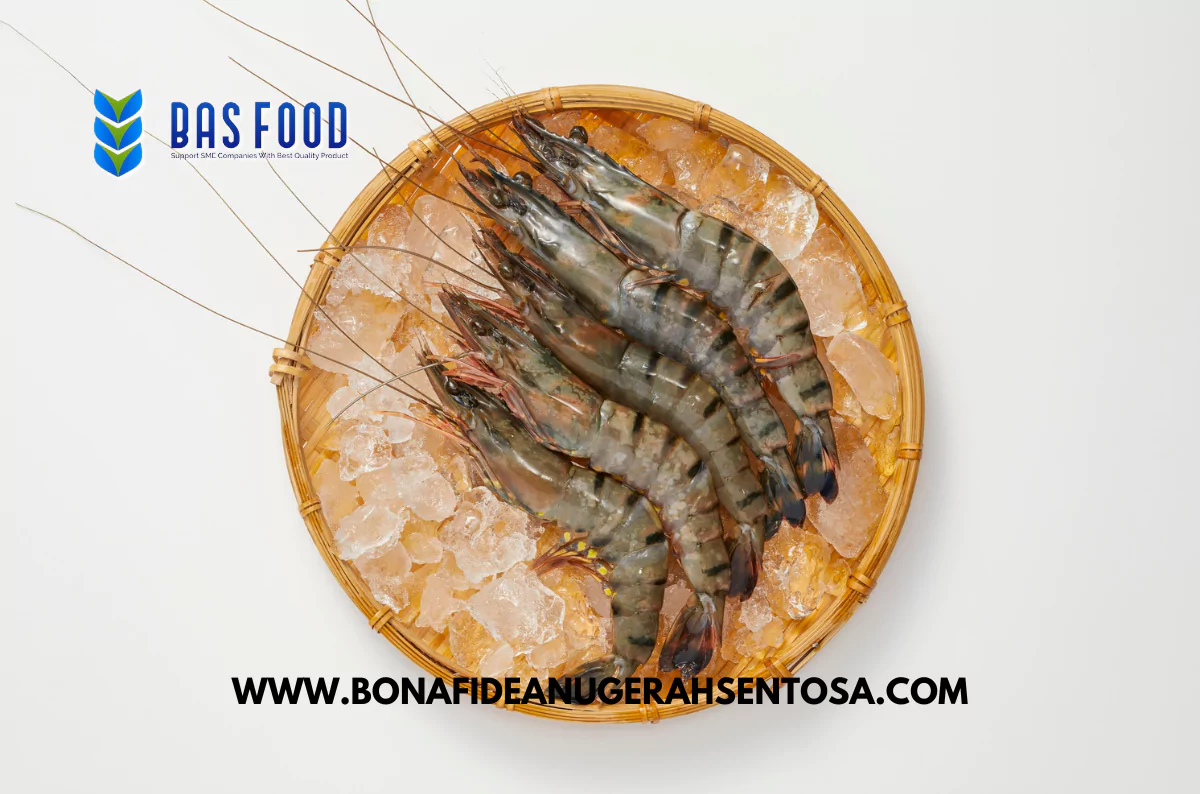
Naturally Raised: What Makes Indonesian Vannamei Shrimp Special
Before we dive into the technical details of processing, let’s first understand where Indonesian Vannamei shrimp originate. Unlike mass-produced alternatives, shrimp farmers in Indonesia cultivate Vannamei shrimp in natural ponds near the sea. These ponds receive clean, mineral-rich seawater and nourish the shrimp with natural feed sourced from the rich Indonesian marine ecosystem.
This natural farming method allows the shrimp to develop a sweet flavor and a subtle, clean ocean aroma. For chefs and food manufacturers, this makes a big difference. Whether you run a fine dining restaurant or produce ready-to-eat seafood snacks, high-quality raw materials elevate the final product.
Buyers around the world prefer Indonesian Vannamei shrimp for their meaty texture and consistent size. These qualities simplify portion control and preparation, making them a top choice in the global food industry.
Step-by-Step: Understanding Vannamei Shrimp Processing
The Vannamei shrimp processing journey begins shortly after harvest. Once the shrimp are collected from the ponds, they must be handled with care to maintain freshness. In most modern facilities, this process kicks off within hours of harvest to minimize spoilage and preserve the shrimp’s delicate flavor.
Step 1: Sorting and Grading
After being transported to the processing plant, shrimp are sorted by size and appearance. Sizes typically range from 30 to 40 shrimp per kilogram, depending on buyer specifications. Uniformity is crucial here—it ensures that every package delivers consistent quality to the end customer.
Step 2: Head-On or Headless
Customers can choose between HOSO (Head-On Shell-On) or HLSO (Headless Shell-On) shrimp. In some cases, the shrimp are also processed into PD (Peeled and Deveined) or PDTO (Peeled, Deveined, Tail-On) forms. Each type caters to different market needs—from sushi restaurants to frozen food manufacturers.
Step 3: Quick Freezing Techniques
To preserve the shrimp’s freshness, processors often use IQF (Individually Quick Frozen) or Block Freezing methods. IQF technology ensures that each shrimp freezes separately, making it easier to handle and portion later. On the other hand, Block Freezing is ideal for bulk orders and longer shelf life.
Time and Temperature: Keeping It Safe and Fresh
Timing is everything when it comes to seafood. From pond to packed product, the processing time for Vannamei shrimp is typically just one week. This short window ensures minimal degradation and maximum freshness. During this process, every step—from cleaning to freezing—is conducted under strict temperature control.
Cold storage plays a key role here. Once processed and packed, the shrimp are stored at ultra-low temperatures until they are shipped. This not only helps maintain the taste and texture but also guarantees food safety, which is a top priority for exporters and importers alike.
Sanitation and hygiene are also strictly monitored. Processing facilities in Indonesia, especially those that export globally, follow international HACCP and GMP standards. This commitment to cleanliness and safety boosts buyer confidence and supports the long-term sustainability of the industry.
Packaging for the World: Ready for Export
Once the shrimp are processed and frozen, it’s time to prepare them for shipment. Standard packing specifications include 2 x 5 kg packs in a 10 kg master carton, which makes them easy to handle, stack, and store during transportation. This format is particularly convenient for wholesale buyers, distributors, and commercial kitchens.
Proper packaging ensures that the shrimp remain intact and free from freezer burn. Labels often include information like product type, size, freezing date, and origin. This transparency helps build trust between suppliers and buyers, especially in international markets where food safety regulations are strict.
Today, Indonesian Vannamei shrimp are exported to countries like the United States, Japan, and across Europe. Their reputation for quality and consistency makes them a preferred choice in a highly competitive global market.
Meet Your Trusted Supplier: CV Bonafide Anugerah Sentosa
When it comes to sourcing high-quality, naturally farmed Vannamei shrimp, one name stands out—CV Bonafide Anugerah Sentosa. This Indonesian company is more than just a seafood supplier; they are a trusted name in the global supply of Vannamei shrimp, fishery products, spices, and coconut derivatives.
What sets CV Bonafide Anugerah Sentosa apart is their commitment to sustainable sourcing and high processing standards. They partner directly with local shrimp farmers who use natural feeds and avoid harmful chemicals, ensuring that every shrimp they supply meets international quality benchmarks.
Whether you’re looking for HOSO, PD, or IQF shrimp, CV Bonafide can tailor their product offerings to meet your needs. Their state-of-the-art processing facilities, efficient export logistics, and transparent business practices have earned them long-standing partnerships with buyers around the world.
Why Vannamei Shrimp is Perfect for the Food Industry
One of the main reasons Vannamei shrimp is so widely used in the food industry is its versatility. From grilled shrimp skewers and tempura to shrimp dumplings and seafood pasta, this ingredient adapts beautifully to a wide range of cuisines and preparation methods.
Moreover, naturally farmed Indonesian shrimp have a mild fishy aroma and a rich, sweet flavor, making them perfect for dishes where quality and taste matter most. Since they are available in various formats like PD and PDTO, they significantly reduce prep time in busy kitchens and manufacturing lines.
The ability to source shrimp that’s already peeled, deveined, and ready to cook is a huge plus for restaurants and food factories. It not only saves time but also ensures consistency in every batch of products—something that’s critical in the food business.
Conclusion: Investing in Quality Vannamei Shrimp Processing Pays Off
Understanding the journey of Vannamei shrimp processing gives us a deeper appreciation for the effort behind that perfectly cooked shrimp dish. From natural farming in the pristine waters of Indonesia to high-tech freezing and packing methods, every step is designed to maximize quality, safety, and flavor.
As global demand for seafood continues to rise, partnering with reliable suppliers like CV Bonafide Anugerah Sentosa ensures your business can thrive with premium products and consistent supply. Whether you’re in the restaurant business or the ready-to-eat food industry, Vannamei shrimp is a smart, delicious investment. Contact CV Bonafide Anugerah Sentosa how we can provide the best solutions for you. WhatsApp: +62 8213 4505 737, Email: info@bonafideanugerahsentosa.com / bas.mdir@gmail.com.