
If you are a manufacturer, distributor, or anyone looking to source high-quality cocoa powder, you understand that the process involves much more than simply placing an order. The global commodity market is a vast, intricate ecosystem governed by specific rules and logistics that significantly impact your bottom line. Two concepts stand above the rest when planning your inventory: the Lead Time and the Minimum Order Quantity, or MOQ, especially when considering cocoa powder MOQ. These seemingly simple metrics are, in fact, the gatekeepers to efficient supply chain management, acting as the primary determinants of when your product arrives and how much you must spend. Ignoring or miscalculating them can lead to devastating stock-outs or costly overstocking, ultimately eroding profitability.
Successfully navigating this complexity requires a knowledgeable partner who understands the intricacies of production and logistics from the source. This is where CV Bonafide Anugerah Sentosa steps in. Operating as a trusted producer and supplier, our expertise extends far beyond just cocoa powder MOQ and delivery; we are deeply involved in the global trade of high-quality fishery products, an assortment of exquisite spices, and premium coconut derivatives. Our foundational role as both a producer and supplier allows us to maintain strict quality control and provide transparent, reliable data on lead times and production capacities, giving our clients a competitive edge in a demanding market. We pride ourselves on demystifying the import process, ensuring that the necessary planning and forecasting can be executed with precision and confidence.
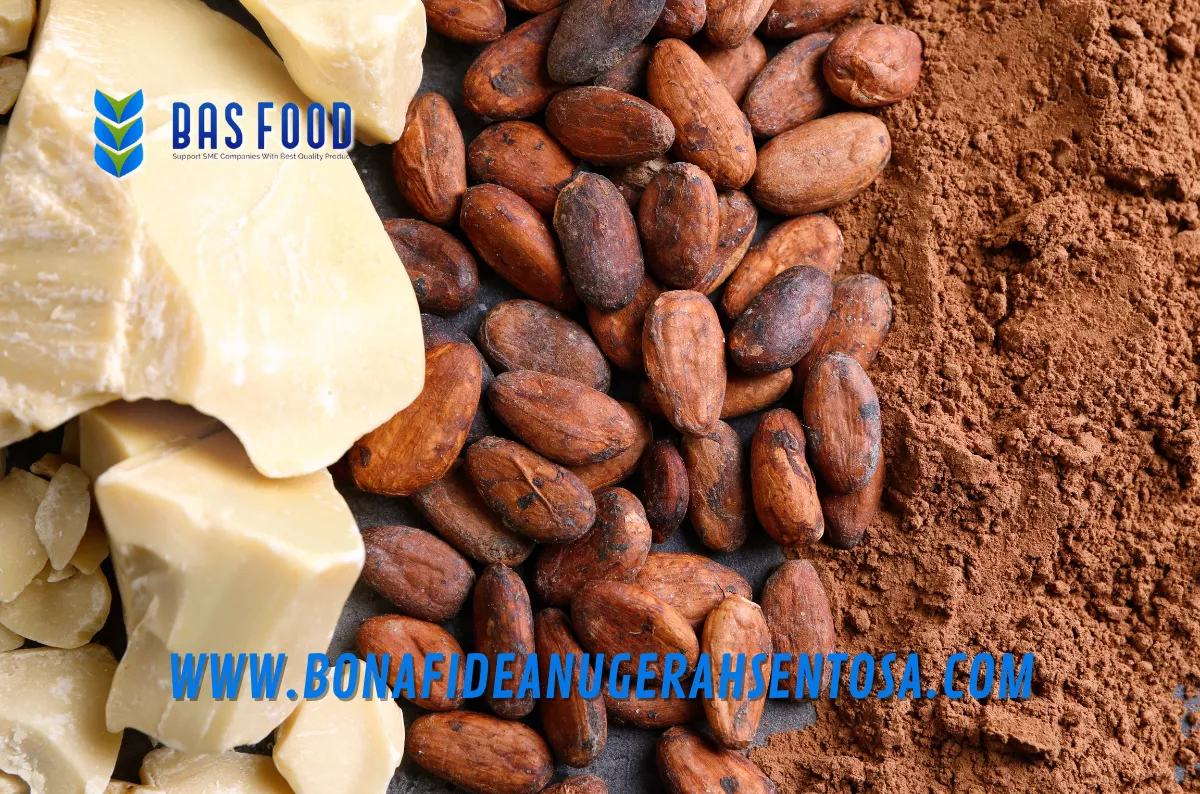
Demystifying the Anatomy of Lead Time in Cocoa Sourcing
Lead time, in the context of cocoa powder importation, is the total duration that elapses from the moment you confirm a purchase order (PO) until the goods are physically delivered to your designated final destination. It is a comprehensive metric, certainly not a monolithic figure, that must be broken down into discrete, manageable stages. Generally speaking, the entire process is fundamentally composed of four distinct phases: the Production Phase, the Pre-Shipment Preparation Phase, the Transit Phase (which involves international shipping), and finally, the Customs and Last-Mile Delivery Times. Understanding each phase is paramount to creating a realistic and robust procurement calendar.
The first and often most variable phase is the Production Phase. Although premium cocoa powder, such as the alkalized and natural varieties sourced and produced by CV Bonafide Anugerah Sentosa, is often manufactured in a continuous process, your specific order still needs to be scheduled and integrated into the facility’s queue. This timeframe is heavily influenced by the volume of your order—which directly relates to the cocoa powder MOQ—and the supplier’s current operational capacity. For a large volume order, this might encompass the time needed to source the raw cocoa beans, conduct fermentation and drying, execute the pressing and pulverization, and finally, perform the strict quality assurance checks. A highly efficient producer, like our team, can minimize this duration, but neglecting to account for it will inevitably lead to schedule slippage.
The Cornerstone: Understanding Minimum Order Quantity (Cocoa Powder MOQ)
The Minimum Order Quantity, or MOQ, represents the smallest quantity of a product a supplier is willing to sell in a single transaction. For imported cocoa powder MOQ is a critical financial and logistical factor that dictates your initial investment and inventory planning. Suppliers utilize MOQs for very sound commercial and operational reasons, primarily to ensure that the cost of production, packaging, internal handling, and essential administrative tasks are all covered, ultimately yielding a profitable margin for their operation. Essentially, the supplier must achieve a certain economy of scale to make the transaction viable.
When a manufacturer like CV Bonafide Anugerah Sentosa sets a cocoa powder MOQ, it is often meticulously calculated based on several core factors. These include the cost of raw materials (cocoa beans), the operational cost of running the processing machinery, the expense of specialized bulk packaging (such as 25kg bags or larger totes), and the minimum threshold required to fill a standard shipping unit efficiently. For bulk commodities like cocoa powder, the MOQ is frequently tied to containerization; suppliers prefer to deal in Full Container Loads (FCLs), as this is the most cost-effective and secure method for international shipping. Although some flexibility can be negotiated, particularly for long-term partners or specialized products, the MOQ serves as the foundational constraint that prospective buyers must absolutely respect.
The sheer volume implied by the cocoa powder MOQ profoundly impacts the buyer’s inventory strategy. Purchasing a container-load of cocoa powder means the buyer must have adequate warehousing capacity, a detailed plan for utilizing the product over the subsequent months, and the necessary working capital to float that large investment. It is an acknowledgment that commodity sourcing is a strategic endeavor, not a retail purchase. Furthermore, the MOQ can directly influence the unit price. Suppliers are often willing to offer tiered pricing structures, meaning that as the order volume moves significantly past the minimum quantity, the price per kilogram often decreases, offering a compelling incentive for businesses capable of handling larger inventory volumes and securing better terms on their international shipping costs.
Decoding the Pre-Shipment Phase: From Processing to Port Readiness
Once the production run for your cocoa powder order is complete and the volume meets the agreed-upon cocoa powder MOQ, the product does not immediately leap onto a vessel. Instead, it enters the critical, but often underestimated, Pre-Shipment Preparation Phase. This stage is a complex ballet of internal logistics, quality control, and essential documentation that can collectively add several days or even weeks to the overall lead time. Efficient and meticulous execution during this phase is crucial because errors here, particularly with paperwork, inevitably lead to protracted and expensive delays during customs clearance, directly impacting final delivery times.
The initial part of this phase involves stringent quality assurance. Every batch of cocoa powder produced by CV Bonafide Anugerah Sentosa undergoes internal testing to verify specifications such as pH level (for alkalized cocoa), fat content, fineness, and microbial safety. Only upon passing these rigorous checks is the batch approved for final packaging. Subsequently, the product must be packaged according to the agreed specifications—be it heavy-duty, food-grade bags or securely sealed bulk totes—and palletized with care to withstand the rigors of international shipping. Correct, secure packaging is not just about product integrity; it is a critical safety measure, ensuring stability within the shipping container.
In parallel with the physical preparation, an extensive array of documentation must be accurately generated and compiled. This documentation typically includes the Commercial Invoice, the Packing List, the Certificate of Origin (COO), and, crucially, the Bill of Lading (B/L) or Air Waybill. Depending on the destination country, various health and phytosanitary certificates, or specialized declarations like those required by the FDA or EU regulations, may also be required. The slightest discrepancy between the information on these documents and the physical shipment can cause the goods to be held indefinitely at the port of destination. Therefore, a supplier’s internal systems, and their expertise in handling this documentation, are significant factors that contribute to reliable and predictable delivery times and overall import success.
The Global Jigsaw: Navigating International Shipping and Incoterms
The Transit Phase, which comprises the core duration of international shipping, is governed by the schedules of global ocean freight carriers. This phase is characterized by less variability than the production phase, as vessel schedules are relatively fixed, but it introduces significant vulnerability to external, unpredictable factors. Shipping the commodity from the supplier’s port to the buyer’s port involves making fundamental decisions about the method of transport and the contractual terms that govern the transfer of risk, cost, and responsibility—known universally as Incoterms.
The most common decision involves choosing between a Full Container Load (FCL) or a Less than Container Load (LCL). Given the typical cocoa powder MOQ for bulk buyers, FCL is almost always the preferred and most economical option. An FCL shipment grants the buyer exclusive use of an entire 20-foot or 40-foot container, allowing for better security, faster transit times at the port, and direct communication regarding the container’s status. Conversely, an LCL shipment, though potentially suitable for smaller initial orders, involves consolidating the cocoa powder with other cargo, adding extra handling and transit time at both the origin and destination ports, thus lengthening the overall delivery times.
Furthermore, the selection of an Incoterm is a critical component of the shipping agreement that dictates exactly when the seller (like CV Bonafide Anugerah Sentosa) fulfills their obligation and when the risk and cost transfer to the buyer. For bulk cocoa powder, common terms include Free On Board (FOB) or Cost, Insurance, and Freight (CIF). Under FOB terms, the seller is responsible for delivering the cocoa powder to the origin port and loading it onto the vessel; after the ship sails, the buyer assumes all risk and expense. Under CIF, the seller is responsible for securing transportation and insurance to the destination port. Choosing the right Incoterm fundamentally changes the buyer’s level of control over the transit phase and their exposure to potential costs, making it a pivotal part of the negotiation alongside the cocoa powder MOQ.
External Variables: Factors That Can Disrupt Delivery Times
While a professional supplier can tightly control the production and preparation phases, the journey of international shipping is inherently subject to external variables that lie completely outside the control of either the buyer or CV Bonafide Anugerah Sentosa. These factors introduce a critical element of unpredictability to the calculated lead time, necessitating the establishment of a conservative buffer period in the buyer’s inventory planning. The prudent procurement manager never relies solely on the best-case transit scenario; instead, they plan for potential disruptions, ensuring the flow of production is never compromised by an unexpected shipping anomaly.
One of the most persistent threats to reliable delivery times is port congestion. Global trade volumes fluctuate dramatically, and periods of high demand or unforeseen disruptions (such as labor disputes or equipment failures) can lead to ships queuing for days, or even weeks, outside major international ports. Since shipping vessels operate on a fixed schedule, any delay at one port compounds the problem down the line, affecting subsequent voyages and adding days to the total lead time. Furthermore, adverse weather conditions, including typhoons, heavy fog, or rough seas, can force vessels to slow down, reroute, or even seek shelter, directly interrupting the seamless flow of international shipping and introducing significant delay.
Another crucial external factor is the customs and regulatory environment in the destination country. Even with perfect documentation provided by the supplier (which is a priority for CV Bonafide Anugerah Sentosa), national customs agencies possess the sovereign authority to detain any shipment for inspection. These inspections might be triggered randomly, or they could be the result of a targeted action based on perceived risk. Detention for inspection can add anywhere from a few days to several weeks to the lead time. Furthermore, changes in regulatory standards, import tariffs, or compliance requirements—especially concerning food safety for products like cocoa powder—can introduce unforeseen hurdles. Therefore, successful importers must maintain constant vigilance over the legislative landscape of their market and utilize experienced customs brokers to minimize exposure to these bureaucratic risks.
Strategic Sourcing: Optimizing Your Import Strategy for Success
Successfully managing the import of cocoa powder, while controlling the total cost of ownership, hinges upon transforming the relationship with your supplier from a transactional one into a long-term, strategic partnership. By viewing CV Bonafide Anugerah Sentosa not merely as a seller but as an extension of your own supply chain, you can unlock efficiencies that far outweigh any small, one-time savings gained from aggressive, short-term negotiation tactics. This collaborative approach focuses on information sharing, transparency, and consistency to mitigate risks associated with both cocoa powder MOQ compliance and fluctuating delivery times.
A central component of strategic sourcing is demand forecasting and planning. Rather than submitting orders sporadically, sharing a detailed, rolling forecast of your anticipated needs for the next six to twelve months allows the producer to integrate your requirements directly into their production schedule. This advance notice enables CV Bonafide Anugerah Sentosa to better plan raw material procurement, allocate necessary production capacity, and even pre-book favorable slots on international shipping vessels. The benefit to the buyer is a much tighter, more reliable, and ultimately shorter effective lead time, reducing the need for excessive safety stock and freeing up crucial working capital.
Moreover, negotiation regarding the cocoa powder MOQ should be approached strategically. While a supplier must adhere to a minimum for cost efficiency, a long-term commitment often allows for flexibility. For example, a buyer might negotiate a slightly lower initial trial MOQ in exchange for a contractual commitment to larger, consistent orders thereafter. Similarly, instead of fixating solely on the per-kilogram price, buyers should evaluate the total cost of importation, which includes factoring in the cost of capital tied up in inventory, the reliability of the supplier’s documentation (which affects customs fees), and their track record for meeting promised delivery times. A transparent and reliable supplier, such as our team at CV Bonafide Anugerah Sentosa, provides value that significantly offsets a marginal difference in unit price, ensuring your supply chain remains robust and competitive globally.
Conclusion: Partnering for Predictable Supply Chain Excellence
The global trade in cocoa powder is an exhilarating, complex domain where the fine print matters. Mastering the relationship between Lead Times and cocoa powder MOQ is not a passive exercise. It is an active, strategic discipline that demands attention to detail across the entire supply chain. From the initial processing of the cocoa bean to the final clearance through customs. Every step in the production and international shipping process contributes to the final delivery times to your overall operational efficiency.
e=”text-align: justify;”>By choosing a dedicated and integrated producer-supplier like CV Bonafide Anugerah Sentosa, you are gaining a vital advantage. Our vertical integration, spanning fishery products, spices, coconut derivatives, and premium cocoa, means we control the quality and the schedule from the source. We are not just supplying a product; we are delivering predictable logistics, precise documentation, and a commitment to helping you navigate the inherent complexities of global trade. We invite you to leverage our deep expertise to ensure your supply chain is not only robust and efficient but also perfectly optimized for your long-term success.</p&amp;amp;gt;
Contact CV Bonafide Anugerah Sentosa how we can provide the best solutions for you. WhatsApp: +62 8213 4505 737, Email: info@bonafideanugerahsentosa.com / bas.mdir@gmail.com.