
When most people think about coffee, they imagine the beans, the aroma, or perhaps the brewing method. But one of the most important factors, including the different types of roasted coffee, that define the final taste in your cup is the roast level. Coffee roasting transforms green beans into the flavorful, aromatic brown beans we grind and brew every day. Without roasting, coffee would taste grassy and flat, lacking the rich complexity we associate with a good brew.
The types of roasted coffee vary widely. Light roasts keep more of the bean’s natural flavor, medium roasts offer balance, and dark roasts bring boldness with smoky notes. Beyond these three, specialty categories exist that push coffee into unique flavor territories. To fully appreciate coffee, it’s important to understand what happens in each roast level and why people choose one over the other.
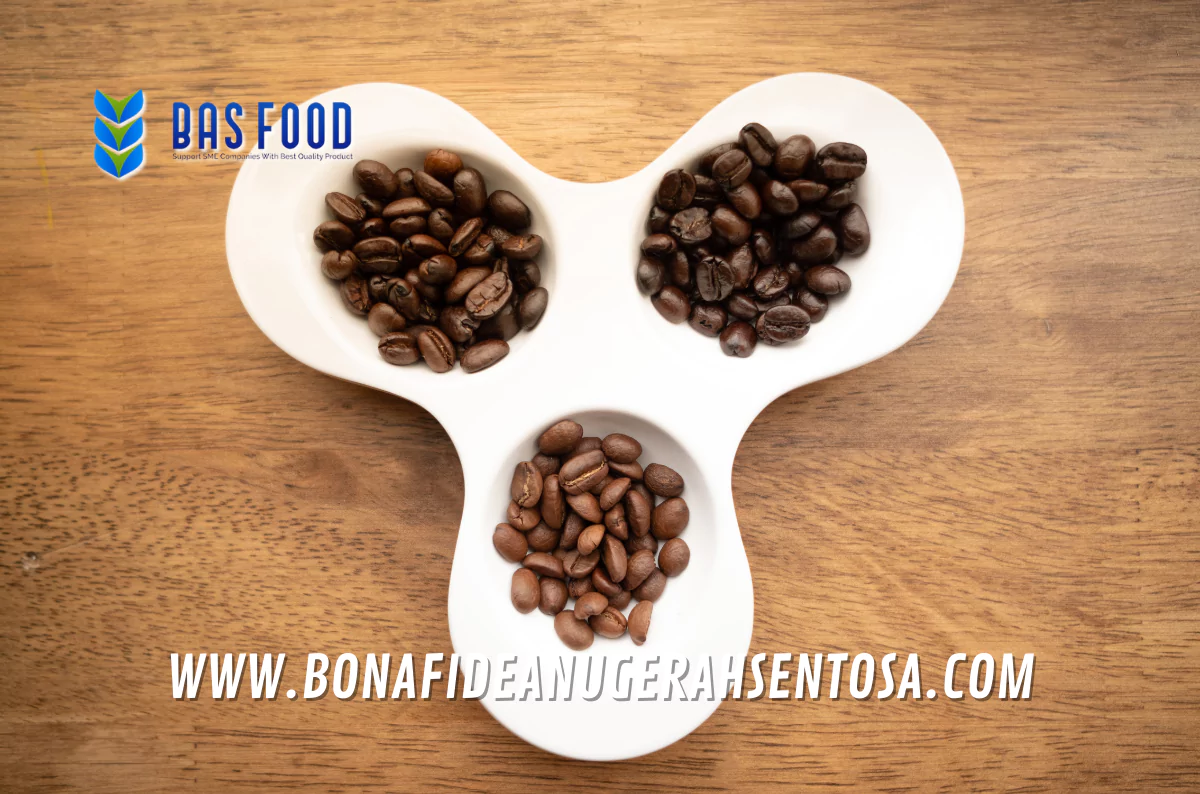
Light Roast: Bright, Fruity, and Full of Character
Light roast coffee is often favored by coffee purists. It is roasted at lower temperatures and for a shorter period, usually until the “first crack.” This method preserves much of the bean’s original character, including its acidity and fruit-forward notes. Coffee from regions like Ethiopia or Kenya often shines when roasted lightly, highlighting citrus and berry flavors.
However, light roast is not just about fruitiness. It can also bring out floral and herbal tones, depending on the origin. Because it retains more caffeine than darker roasts, it’s a popular choice for people who enjoy a sharper kick in their morning cup. The brightness of light roast coffee makes it perfect for manual brewing methods like pour-over or Aeropress, where subtle nuances are easier to taste.
Medium Roast: The Balanced Middle Ground
For many coffee lovers, medium roast is the sweet spot. Roasted slightly longer than light roast, medium roast beans reach just after the first crack but stop before the second crack begins. This roast level balances acidity and body, creating a smoother taste with rounded flavors.
Medium roast coffees often showcase caramel, nutty, and chocolatey notes. They are less acidic than light roasts yet not as smoky as dark ones. Many popular coffee blends, especially those served in cafes around the world, use medium roasts because they appeal to a wide audience. The balance makes it versatile for both black coffee drinkers and those who prefer milk-based drinks like lattes and cappuccinos.
Dark Roast: Bold, Smoky, and Intense
Dark roast coffee is all about boldness. Beans are roasted past the second crack, giving them a shiny, oily surface and deep brown color. This level of roasting creates strong flavors that dominate over the bean’s natural origin characteristics. Notes of chocolate, toasted nuts, and even hints of smokiness or spice are common in dark roasts.
Because of their intensity, dark roasts are often used in espresso blends. The thicker body and rich crema they produce make them ideal for this brewing style. Some people describe dark roast as “bitter,” but fans of this style enjoy its deep, comforting taste. It’s also a popular choice for those who mix coffee with milk or sugar, as the strong flavor cuts through without getting lost.
Beyond the Basics: Other Types of Roasted Coffee
While light, medium, and dark are the main categories, coffee roasting has more variety than many realize. Terms like “cinnamon roast,” “city roast,” “full city roast,” and “French roast” describe specific points within or beyond these categories. Each roast has unique characteristics, often tailored to certain brewing methods or regional preferences.
For example, a cinnamon roast is very light, highlighting high acidity, while a French roast is nearly black, offering bold smokiness. Some roasters even experiment with “white coffee,” beans roasted at very low temperatures, creating an unusual nutty flavor. These nuanced roast levels show how roasting is both a science and an art, with roasters constantly pushing the boundaries of taste.
How Roasting Changes Coffee Chemistry
To truly appreciate the types of roasted coffee, it’s helpful to understand the science behind roasting. Green coffee beans contain sugars, proteins, and acids that undergo chemical changes when exposed to heat. As roasting progresses, the Maillard reaction develops caramel-like flavors, while caramelization of sugars brings sweetness and complexity.
The length and temperature of roasting influence caffeine content, acidity, and oil release. Light roasts keep more caffeine and acidity, medium roasts bring balance, and dark roasts sacrifice some caffeine but gain richness and body. Essentially, roasting is a process of balancing flavors, creating the cup profile that roasters believe best represents the bean.
Choosing the Right Roast for Your Taste
Selecting the best roast comes down to personal preference. If you enjoy bright, tea-like flavors, light roast is the way to go. If you like something smoother and chocolatey, medium roast might fit your taste. For those who crave intensity and a heavy mouthfeel, dark roast provides satisfaction.
It also depends on how you brew your coffee. Light roast shines in pour-over, while medium roast works beautifully in drip coffee machines. Dark roast is a natural match for espresso, moka pot, or French press. Experimenting with different roast levels and brewing methods is part of the fun of discovering what suits your palate.
Coffee Roasting Around the World
Different cultures favor different roast levels. In Scandinavia, light roasts dominate, reflecting their preference for bright, fruity flavors. In Italy and much of Southern Europe, darker roasts are traditional, especially for espresso-based drinks. The United States often leans toward medium roasts, though specialty coffee shops have popularized light roasts in recent years.
This cultural variation shows how roast levels are tied not just to flavor but also to tradition. Roasters often adjust their profiles to match regional expectations, which explains why the same bean can taste so different depending on where it’s roasted.
CV Bonafide Anugerah Sentosa: Supplying Coffee and Beyond
Behind every good cup of coffee is a reliable source of beans. CV Bonafide Anugerah Sentosa is one such trusted supplier, offering high-quality coffee beans for roasters and buyers worldwide. Based in Indonesia, the company provides green coffee beans that can be roasted into light, medium, or dark profiles according to customer needs.
But coffee is only part of their story. CV Bonafide Anugerah Sentosa is also a reputable spices supplier, fishery supplier, and coconut supplier, ensuring clients have access to a wide range of Indonesian agricultural and marine products. With a focus on quality and sustainability, the company has built a reputation as a reliable partner for businesses looking to import premium commodities.
Conclusion: Finding Your Perfect Roast
The world of coffee roasting is as diverse as the people who drink it. From the bright liveliness of light roast to the bold richness of dark roast, there is a type of roasted coffee for every taste. By exploring different roast levels, you not only learn more about coffee but also about your own preferences.
So the next time you sip your cup, think about the journey the bean has taken—from green to roasted, from farm to roaster, and finally to you. Whether you buy beans from your local roastery or from a trusted exporter like CV Bonafide Anugerah Sentosa, understanding roast levels makes every cup a little more meaningful.
Contact CV Bonafide Anugerah Sentosa how we can provide the best solutions for you. WhatsApp: +62 8213 4505 737, Email: info@bonafideanugerahsentosa.com / bas.mdir@gmail.com.