
Tuna fillet retail supply requires consistency, branding flexibility, and strict compliance. Retail buyers and private label owners must secure products that meet consumer expectations and regulatory standards. Therefore, exporters need structured systems that support scale and customization.
In the USA and EU, frozen seafood categories continue to grow. As a result, retailers demand stable supply, traceability, and strong packaging presentation. This guide explains how tuna fillet programs align with retail and FMCG requirements.
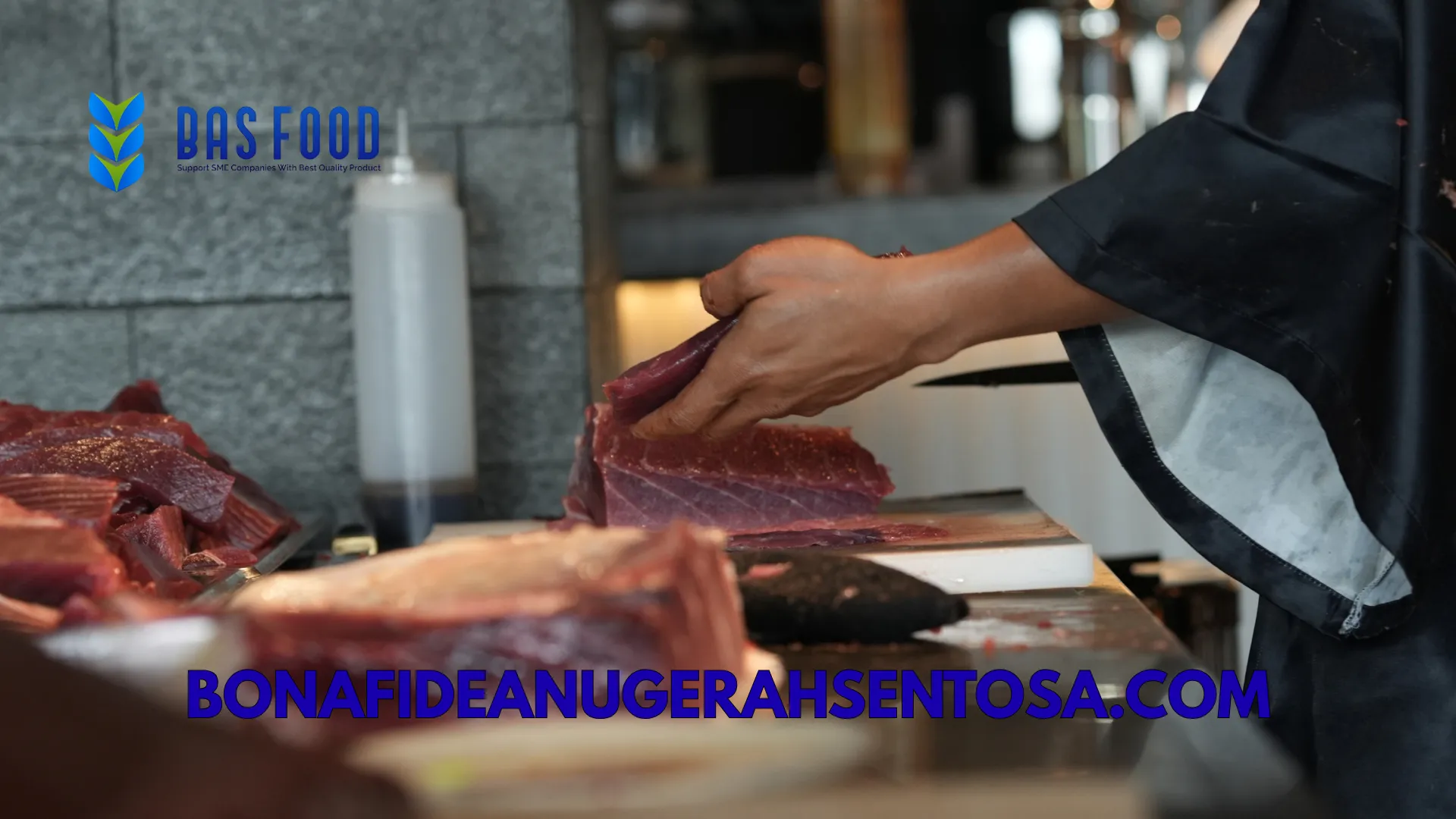
Understanding Tuna Fillet Retail Market Needs
Tuna fillet retail buyers focus on shelf appeal and portion clarity. Consumers expect clean cuts, uniform size, and clear labeling. Consequently, exporters must maintain tight grading standards.
Moreover, private label brands compete on both price and quality. Retailers need partners who understand packaging design, barcode systems, and compliance documentation. Operational discipline reduces launch risk.
Tuna Species for Retail Distribution
Yellowfin tuna dominates many retail freezer categories. It offers firm texture and broad consumer acceptance. Therefore, retailers often select Yellowfin for steaks and loins.
Bluefin tuna fits premium segments and specialty stores. Meanwhile, Skipjack can support value-oriented retail programs. Selecting the right species supports category positioning.
Packaging Formats for Private Label Programs
Retail-ready packaging differs from bulk foodservice packs. Tuna fillet retail products often use vacuum-sealed skin packs or printed polybags. These formats enhance shelf visibility and protect against freezer burn.
In addition, master cartons must support pallet stability and long-distance shipping. Clear labeling ensures smooth scanning at distribution centers. Retail compliance begins with correct packaging structure.
Regulatory Requirements in USA and EU Markets
Retail seafood faces strict regulatory oversight. The EU enforces hygiene, traceability, and labeling rules under food safety legislation. Similarly, the USA applies FDA standards and import controls.
Therefore, tuna fillet retail shipments must include health certificates, catch documentation, and accurate species labeling. Non-compliance can lead to costly recalls. Strong documentation systems reduce this risk.
Quality Control for Retail-Grade Tuna
Retail buyers expect consistent color, glaze level, and trimming quality. Quality control teams inspect fillets before freezing and packing. This step ensures visual appeal upon thawing.
Furthermore, exporters should conduct metal detection and hygiene checks. These controls protect brand reputation. Retail supply demands zero tolerance for contamination.
Cold Chain Management for Supermarket Distribution
Frozen tuna fillets must remain at -18°C or below during storage and transport. Temperature stability protects texture and shelf life. Therefore, exporters must coordinate closely with cold storage and shipping providers.
Reefer containers and warehouse monitoring systems support this requirement. Retail distribution centers often audit temperature logs. Transparent records build confidence.
OEM and Private Label Customization Process
Private label projects require detailed planning. Retailers typically share artwork, packaging dimensions, and labeling guidelines. Exporters must align production timelines accordingly.
Tuna fillet retail programs also require barcode integration and lot coding. This ensures traceability across multiple warehouses. Early coordination reduces delays in product launch.
Risks in Retail Seafood Supply Chains
Inconsistent labeling can lead to rejection at distribution centers. As a result, shipments may face return or rework costs. Accurate review processes prevent such issues.
Cold chain interruptions also present serious risk. Even minor thawing can affect texture and color. Therefore, exporters must apply strict loading and monitoring procedures.
Scaling Production for Large Retail Contracts
Retail programs often demand high volume and steady replenishment. Exporters must manage raw material sourcing and processing capacity carefully. Reliable planning prevents stock shortages.
Companies like CV Bonafide Anugerah Sentosa apply structured export systems across tuna, spices, cocoa, and coconut products. This cross-commodity experience supports scalable operations and international compliance. Retail buyers benefit from stable supply chains.
Building Long-Term Retail Partnerships
Retail success depends on trust and consistency. Therefore, exporters should provide clear specifications, inspection reports, and shipment updates. Transparent communication reduces uncertainty.
Buyers can explore related packaging and OEM capabilities through our dedicated service pages. Integrated support simplifies private label management. Over time, structured collaboration strengthens brand growth.
Conclusion: Structured Supply for Retail Growth
Tuna fillet retail programs require precision, compliance, and flexibility. Exporters must align species selection, packaging, and cold chain management with market standards. When these elements work together, private label brands gain competitive advantage.
In USA and EU markets, retailers value partners who combine scale with reliability. Strong systems and clear documentation form the foundation of long-term retail seafood supply.
FAQ Section
Which tuna species is best for retail programs?
Yellowfin suits most retail categories, while Bluefin supports premium segments and Skipjack fits value lines.
What packaging formats are common in tuna fillet retail supply?
Vacuum skin packs and printed polybags are common for freezer shelves.
What certifications are required for EU retail seafood?
Exporters must provide health certificates, traceability records, and compliant labeling.
How do exporters support private label branding?
They align packaging design, barcodes, and labeling with retailer guidelines.
Why is cold chain control critical in retail distribution?
Stable temperatures protect product quality and reduce the risk of consumer complaints.
Contact CV Bonafide Anugerah Sentosa how we can provide the best solutions for you. WhatsApp: +62 8213 4505 737, Email: info@bonafideanugerahsentosa.com / bas.mdir@gmail.com.