
Indonesia is more than just a beautiful archipelago—it’s also one of the world’s leading suppliers of skipjack tuna. This small but mighty fish, known for its rich flavor and high protein content, is a favorite in kitchens and canneries worldwide. But have you ever wondered how skipjack tuna goes from the deep blue waters of Indonesia to supermarket shelves across the globe?
Let’s dive into the fascinating world of Skipjack Tuna Processing, and explore how this prized catch is prepared, preserved, and exported—with a spotlight on CV Bonafide Anugerah Sentosa, a trusted tuna supplier from Indonesia.
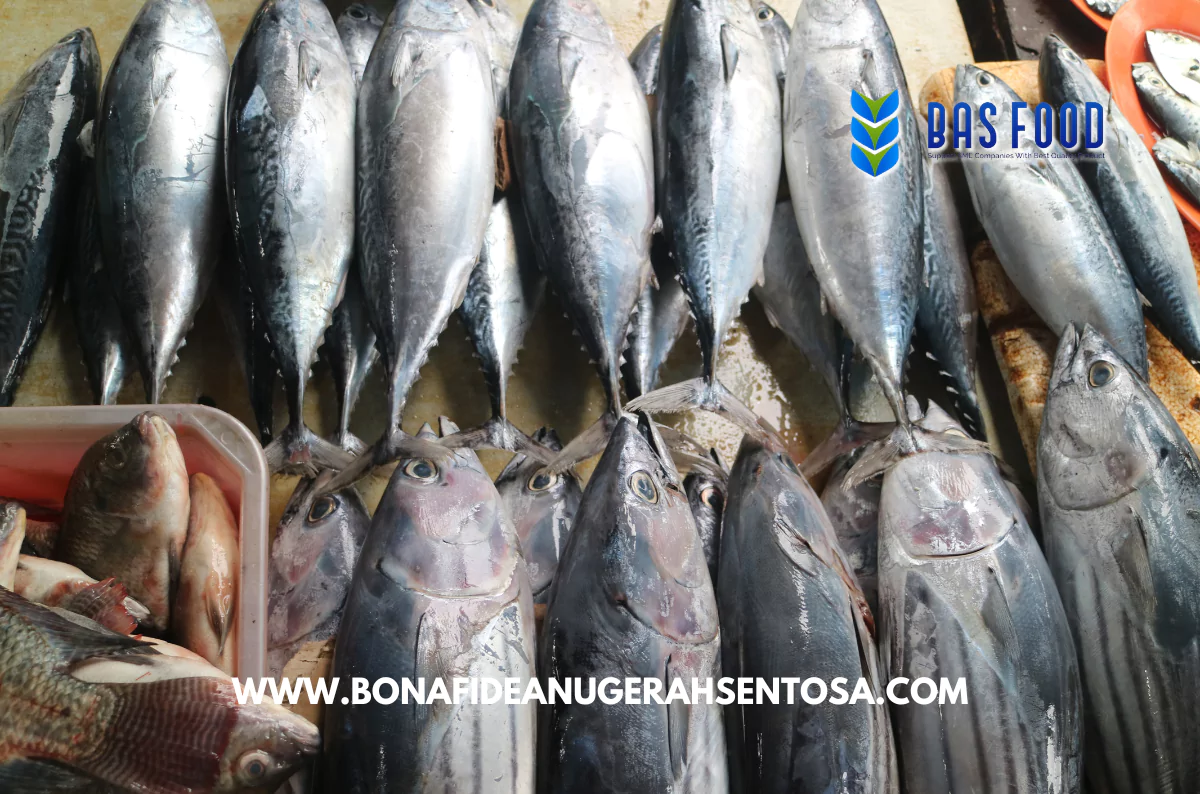
Catching the Ocean’s Bounty: Indonesia’s Tuna-Rich Waters
Indonesia is blessed with vast ocean territory, covering over 6 million square kilometers. These waters are teeming with marine life, especially skipjack tuna (Katsuwonus pelamis), which thrives in warm tropical seas. The country’s position within the Coral Triangle makes it a prime fishing ground, especially for artisanal and small-scale fishers.
Skipjack tuna is mainly caught using pole-and-line or purse seine methods. These traditional fishing techniques are more sustainable than industrial trawling because they reduce bycatch and protect the marine ecosystem. Fishermen set out at dawn and may stay out at sea for days to land their haul. After the catch, the tuna is stored on ice aboard the vessels to preserve freshness before reaching the processing plant.
First Stop: Receiving and Sorting at the Processing Facility
Once the freshly caught skipjack tuna arrives at the processing facility, it goes through a strict receiving process. Quality control teams immediately inspect the fish for freshness, size, and any signs of damage. Only the best-quality tuna make it to the next stage.
At this point, the tuna is sorted by weight and size. This step is important because it ensures uniformity in processing and packaging, especially for export orders that require specific grades. The goal? To make sure that every client gets exactly what they’ve ordered, whether it’s whole round tuna, loins, or pre-cooked flakes.
The Art of Skipjack Tuna Processing: Clean, Cook, Cool
Now comes the core of the operation: Skipjack Tuna Processing. This stage involves several steps, each designed to maintain the tuna’s quality, taste, and safety. The process begins with cleaning and gutting the fish to remove internal organs and unwanted parts.
Then, the tuna is precooked—usually by steaming or boiling—for a controlled amount of time. This helps to firm up the meat and makes it easier to remove the skin and bones. After cooking, the fish is cooled quickly to avoid bacterial growth. The cooled tuna is then carefully cleaned again, with skilled workers manually removing bones and separating the meat into different grades based on texture and color.
Every step in this process follows international food safety standards like HACCP (Hazard Analysis Critical Control Points), ensuring the tuna is safe, clean, and high-quality.
From Raw to Ready: Packaging and Freezing for Export
Once the tuna meat has been cleaned and portioned, it’s time to prepare it for its journey abroad. Depending on the market demand, skipjack tuna may be packaged as frozen loins, flakes, or even vacuum-sealed fillets. Some facilities also prepare pre-cooked, canned tuna products for export.
After packaging, the tuna is frozen at ultra-low temperatures (usually -40°C) to lock in freshness. This deep freezing method ensures that the tuna retains its taste, texture, and nutritional value during transportation.
Labeling and documentation also take place at this stage. Labels must include the product name, grade, weight, and origin, among other details. Export documents like health certificates and catch certificates are prepared to meet the regulations of destination countries.
Global Journey: Export Logistics and Market Destinations
Indonesia exports skipjack tuna to various countries, with top destinations including the United States, Japan, the European Union, and the Middle East. The export process is coordinated through licensed exporters and freight companies who ensure that the frozen tuna reaches international markets in perfect condition.
Cold chain logistics play a crucial role here. Throughout the journey—from storage to transport to customs clearance—the tuna must remain at a consistently low temperature. This requires advanced cold storage facilities and refrigerated containers (reefer containers), all managed under strict timeframes.
For buyers, consistency and traceability are key. That’s why exporters like CV Bonafide Anugerah Sentosa go the extra mile by offering transparent sourcing, third-party audits, and certifications like HACCP, BRC, and FDA registration.
Meet the Trusted Source: CV Bonafide Anugerah Sentosa
When it comes to reliable tuna suppliers from Indonesia, CV Bonafide Anugerah Sentosa stands out. Based in Yogyakarta, the company has built a strong reputation in the seafood export industry by focusing on quality, sustainability, and customer satisfaction.
They specialize in Skipjack Tuna Processing and offer a wide range of frozen tuna products, including loins, saku blocks, steaks, and flakes. What sets them apart is their commitment to traceable sourcing and environmentally friendly practices. They work closely with local fishermen and ensure every fish is processed under the highest food safety standards.
Whether you’re a wholesaler, distributor, or food manufacturer, CV Bonafide Anugerah Sentosa can supply premium-grade tuna tailored to your market needs. Their dedication to excellence has made them a go-to supplier for international buyers seeking the best of Indonesian seafood.
Why Skipjack Tuna from Indonesia is in High Demand
So, what makes Indonesian skipjack tuna such a hot commodity? First off, the fish itself is incredibly versatile—it’s used in sushi, canned goods, salads, and more. It’s also affordable and packed with lean protein and omega-3 fatty acids.
Secondly, the country’s vast marine resources and traditional fishing practices make it a sustainable choice. Buyers around the world are increasingly looking for ethical seafood options, and Indonesian skipjack fits the bill.
Lastly, the well-established Skipjack Tuna Processing industry ensures that buyers receive high-quality products with reliable supply chains. Indonesian exporters are quick to adapt to global standards, which gives them a competitive edge in international markets.
Final Thoughts: A Global Taste of Indonesia’s Seas
From fishing boats in Sulawesi to dinner tables in New York, skipjack tuna travels a long way—and every step in its journey reflects the skill, care, and commitment of those involved. The Skipjack Tuna Processing industry in Indonesia is not just about business; it’s about preserving tradition, supporting communities, and delivering quality seafood to the world.
Companies like CV Bonafide Anugerah Sentosa are leading the way, showing how sustainable practices and high standards can go hand in hand. So, the next time you enjoy a tuna dish, remember that there’s a good chance it began its life in the warm, rich waters of Indonesia. Contact CV Bonafide Anugerah Sentosa how we can provide the best solutions for you. WhatsApp: +62 8213 4505 737, Email: info@bonafideanugerahsentosa.com / bas.mdir@gmail.com.