
Roasted Coffee is the form of coffee most people know and love. While green coffee beans are the raw seeds of the coffee plant, roasting transforms them into the aromatic, flavorful beans that make our daily brew possible. Without roasting, coffee would taste grassy and sour. With roasting, it develops the complex balance of bitterness, acidity, and sweetness that makes coffee the world’s favorite morning ritual.
The journey from green beans to roasted coffee is a fascinating mix of science and craft. Each roast profile—from light to dark—unlocks a different world of flavors. In this article, we will explore how green beans are turned into roasted coffee, the stages of roasting, how flavors develop, and why sourcing matters.
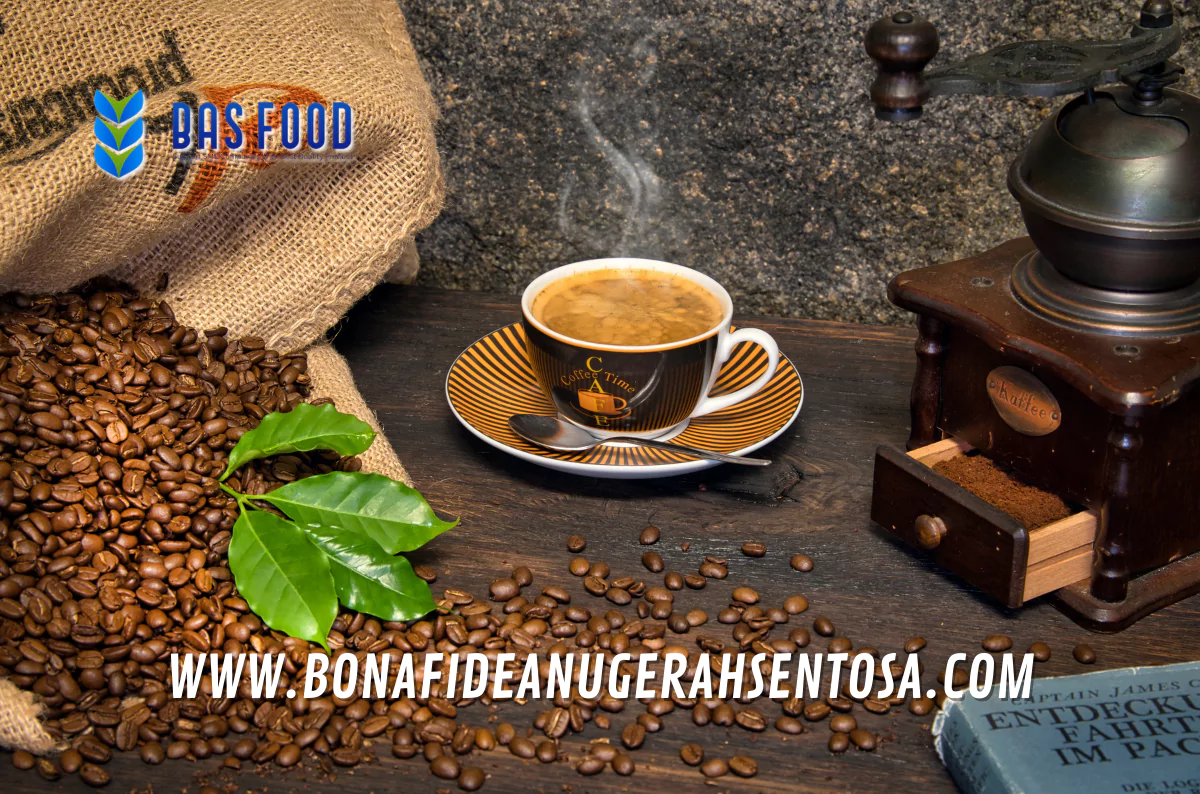
The Journey Begins: Green Coffee Beans Explained
Every cup of roasted coffee starts with green beans. These are actually the seeds of the coffee cherry, a fruit grown mainly in tropical regions. Farmers harvest, ferment, wash, and dry the cherries until they become stable green beans. At this stage, they are dense, grassy in aroma, and not yet drinkable.
Green beans are incredibly versatile. Their final taste depends on several factors, including the coffee variety, altitude, soil quality, and processing method. However, without roasting, none of these characteristics can be fully expressed. Roasting is the essential step that unlocks their hidden potential.
Roasting Science: How Heat Transforms Beans
When green beans are heated in a roaster, several chemical reactions occur. First, the beans lose moisture and expand in size. Then, the Maillard reaction begins, where amino acids and sugars interact to form hundreds of flavor compounds. This is the same process that makes grilled meat, baked bread, and roasted nuts taste so delicious.
As roasting continues, caramelization happens. Natural sugars inside the beans break down into sweet, nutty, and sometimes smoky flavors. The longer the roast, the darker the bean becomes, and the stronger the roasted flavors. Each stage has its own characteristics, and roasters carefully adjust temperature and time to achieve the desired profile.
Roast Levels: From Light to Dark
Roasted coffee comes in different levels, each appealing to different palates.
- Light Roast: Retains the original character of the bean. Bright acidity, floral notes, and fruitiness are common.
- Medium Roast: Balanced flavor. Often seen as the “classic coffee taste,” with caramel sweetness and rounded acidity.
- Dark Roast: Bold and smoky. The flavors of roasting dominate, while the bean’s natural characteristics fade into the background.
The choice of roast level depends on both cultural preference and brewing method. For example, light roasts are often favored in specialty coffee circles, while darker roasts are popular in traditional espresso blends.
From Roaster to Cup: Brewing Roasted Coffee
Once roasted, coffee must be cooled quickly to stop the cooking process. Freshness becomes critical at this stage. Roasted coffee releases carbon dioxide, and most beans need a resting period of 24–48 hours before they are ready to brew.
Brewing methods also influence flavor. Pour-over, espresso, French press, and cold brew all extract flavors differently. A light roast might shine in a pour-over, while a dark roast might work best for a rich espresso. In every case, the roasting stage has already laid the foundation for the cup’s final profile.
Why Sourcing and Quality Matter
Not all roasted coffee is created equal. The best coffee starts with high-quality green beans. Sourcing beans from trusted suppliers ensures consistency, traceability, and better taste. Sustainable farming practices also play a big role in protecting the future of coffee.
This is where exporters and suppliers like CV Bonafide Anugerah Sentosa step in. Based in Indonesia, the company is a trusted coffee bean supplier, spices supplier, fishery supplier, and coconut supplier. With experience in handling diverse agricultural and marine products, CV Bonafide Anugerah Sentosa provides reliable sourcing for businesses that want top-quality roasted coffee beans or green beans for roasting.
The Global Love Affair with Roasted Coffee
Today, roasted coffee is more than a beverage. It’s part of culture, economy, and daily routines worldwide. From the bustling coffee shops in Europe to the street-side stalls in Asia, roasted coffee connects people across different backgrounds. It represents comfort, energy, and community.
As consumers become more curious, they want to know where their coffee comes from and how it’s roasted. This demand pushes producers and suppliers to maintain high standards, innovate in roasting, and share knowledge about origins and processes.
Conclusion: The Art and Science Behind Every Cup
Roasted coffee is much more than heated beans. It’s a transformation journey, where raw green beans become a flavorful experience. From farming and processing to roasting and brewing, every step matters.
For coffee lovers, understanding the roasting process deepens appreciation for every sip. For businesses, partnering with trusted suppliers like CV Bonafide Anugerah Sentosa ensures access to high-quality beans, whether green or roasted, along with a wide range of agricultural products.
The next time you enjoy a cup of coffee, remember the incredible journey those beans took—from green seeds to roasted perfection, and finally, into your cup.
Contact CV Bonafide Anugerah Sentosa how we can provide the best solutions for you. WhatsApp: +62 8213 4505 737, Email: info@bonafideanugerahsentosa.com / bas.mdir@gmail.com.