
Roasted coffee beans are usually seen as a morning staple, powering sleepyheads with their bold aroma and caffeine kick. But beyond the standard cup of joe, the uses of roasted coffee beans have evolved dramatically—especially within the food and beverage (F&B) industry. Today, chefs, baristas, mixologists, and product developers are pushing the boundaries of how roasted coffee can influence everything from desserts to cocktails.
As coffee consumption continues to rise globally, roasted coffee beans are taking center stage in culinary creativity. Their versatility, depth of flavor, and wide appeal make them ideal for innovation. In this article, we’ll explore the top 5 uses of roasted coffee beans in the food & beverage industry, unpack their applications, and showcase why this humble bean is a powerhouse ingredient.
For businesses looking to integrate high-quality roasted coffee beans into their product lines, CV Bonafide Anugerah Sentosa stands out as a reliable coffee bean supplier, along with being a trusted exporter of spices, fishery, and coconut-based products from Indonesia.
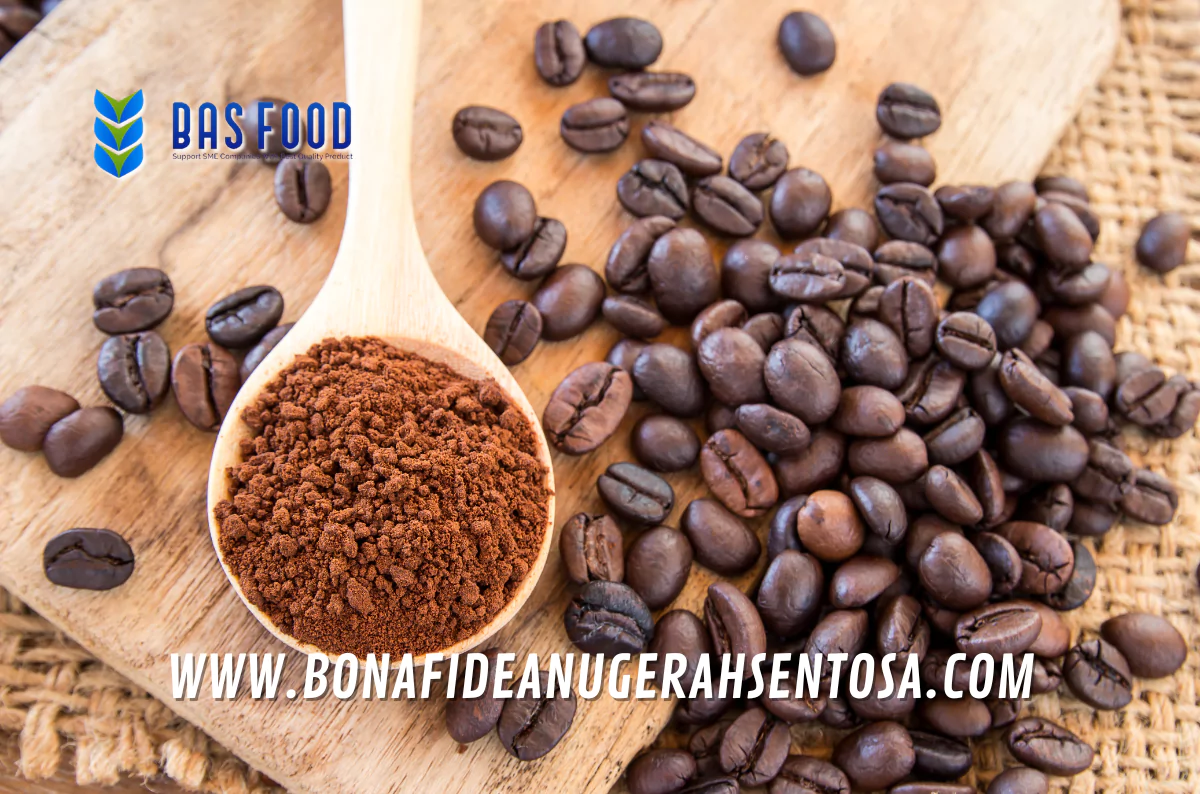
Signature Coffee-Based Beverages: Reinventing the Classics
One of the most obvious—and still most dominant—uses of roasted coffee beans is in beverages. However, the space has evolved far beyond your average espresso shot.
Specialty coffee drinks now come in a variety of styles, flavors, and brewing techniques. Coffee producers and baristas continue to develop drinkable uses of roasted coffee beans—from cold brew, nitro coffee, and pour-over to single-origin espresso blends and oat-milk cappuccinos—making them increasingly sophisticated. Many cafés and restaurants use premium roasted beans to differentiate themselves and attract coffee aficionados who know their Arabica from their Robusta.
Even outside traditional coffee shops, F&B brands are integrating roasted coffee beans into bottled beverages. Think ready-to-drink (RTD) cold brew lines, energy-boosting coffee tonics, and even sparkling coffee sodas. These drinks appeal to younger consumers looking for caffeine with a twist, and they provide a great way to showcase the beans’ nuanced flavor profiles.
Coffee in Gourmet Desserts: A Match Made in Pastry Heaven
Few ingredients pair as well with sweets as coffee. Roasted coffee beans lend depth and complexity to desserts, balancing sugar with their natural bitterness and aroma.
Classic examples include tiramisu, coffee éclairs, and mocha cakes. But chefs are experimenting further, infusing coffee into custards, syrups, ganache, and glazes. Ground roasted beans can be incorporated directly into batters or used to flavor creams and frostings. Even whole roasted beans are sometimes candied and used as a crunchy topping.
Artisan ice cream makers are also tapping into coffee’s strong fanbase. Coffee gelato or affogato—vanilla ice cream drowned in espresso—is a favorite across global menus. With the rise of plant-based desserts, coffee provides a bold, dairy-free flavor option that doesn’t compromise taste or texture.
Coffee as a Spice or Rub: Elevating Savory Dishes
This might surprise some, but roasted coffee beans are making waves in savory cooking, too. When ground and combined with other spices, coffee becomes a robust dry rub for meats like steak, pork, or chicken. The bitterness balances fat and brings a smoky edge that’s hard to replicate.
Chefs also use coffee in marinades and braising liquids. In slow-cooked recipes, the beans enhance umami and add subtle earthiness. This is particularly effective in barbecue and fusion cuisine, where unexpected layers of flavor are encouraged.
Beyond meat, roasted coffee bean rubs can be sprinkled over roasted vegetables or mixed into sauces and gravies. They work especially well with ingredients like chili, cocoa, smoked paprika, and cumin—giving dishes a gourmet twist with minimal effort.
Craft Cocktails & Coffee Liqueurs: Stirred with a Kick
The cocktail scene has fully embraced the coffee revolution. Roasted coffee beans are now a core ingredient in many bar menus, especially for evening drinks that combine sophistication with energy.
The Espresso Martini, once considered passé, is back with a vengeance. It’s now offered in countless variations, featuring different bean origins, cold brews, and infused spirits. Coffee-based bitters and syrups made from roasted coffee beans add depth to both alcoholic and non-alcoholic cocktails.
Bartenders are also creating house-made coffee liqueurs, offering an artisanal alternative to mass-market brands. Bartenders use these in everything from dessert cocktails to after-dinner digestifs, and even in whiskey or rum-based concoctions where roasted coffee adds warmth and complexity.
Snack Foods & Health Products: Functional Meets Flavorful
In the health food and snack segments, roasted coffee beans are being used for both flavor and function. You’ll find them in protein bars, granola mixes, nut blends, and even chocolate-coated versions meant for on-the-go consumers who want a caffeine boost without brewing a cup.
Roasted beans are sometimes ground and mixed into functional powders used in smoothies, meal replacements, or breakfast cereals. The caffeine content and antioxidant benefits of coffee are especially attractive to health-conscious consumers looking for plant-based energy.
Some brands also promote roasted coffee bean products as natural mood boosters or brain enhancers, playing into wellness trends like nootropics and clean energy. With the right marketing, roasted coffee becomes more than a drink—it becomes a lifestyle ingredient.
Sustainability, Origin, and Quality: Why It All Matters
As more food and beverage producers integrate roasted coffee beans into their products, sourcing takes on greater importance. Consumers and chefs alike prioritize origin, quality, and ethical sourcing. Beans grown under the shade of native trees, processed with care, and roasted to highlight their flavor profiles offer not just better taste but also a compelling story.
That’s where CV Bonafide Anugerah Sentosa plays a role. As a trusted supplier of roasted coffee beans, we provide high-quality beans sourced from Indonesia’s finest coffee-growing regions. Our company doesn’t stop at coffee—we also export spices, fishery products, and coconut-based ingredients, offering F&B producers a one-stop solution for premium raw materials. Whether you’re crafting gourmet desserts, launching an RTD coffee drink, or developing functional snacks, you can count on us to deliver consistency, traceability, and flavor.
Conclusion: Roasted Coffee Beans are Just Getting Started
The uses of roasted coffee beans in the food and beverage industry have grown far beyond what anyone could have imagined a few decades ago. Roasted coffee beans power morning routines and add depth to desserts and cocktails, making them a versatile flavor agent and functional ingredient in one.
As innovation in food and beverage continues, roasted coffee beans are likely to show up in even more surprising places. Whether you’re in product development, food service, or retail, understanding the full spectrum of roasted coffee beans uses can unlock new opportunities—and new revenue streams.
For businesses looking to source premium ingredients for their next big idea, partnering with a reliable supplier like CV Bonafide Anugerah Sentosa ensures you’re working with a team that understands quality, sustainability, and the evolving needs of global markets.
Contact CV Bonafide Anugerah Sentosa how we can provide the best solutions for you. WhatsApp: +62 8213 4505 737, Email: info@bonafideanugerahsentosa.com / bas.mdir@gmail.com.