
Global trade requires strict adherence to international quality norms every single day. Buyers need clear data before purchasing bulk goods for their retail shelves. You must understand shredded coconut specifications to ensure success in your market. This knowledge protects your business from compliance issues and costly returns. Therefore, we outline the essential standards below for your review.
Importers face many risks when sourcing agricultural products from overseas regions. Poor quality control leads to spoiled goods and unhappy customers quickly. You need a partner who follows rigorous testing protocols consistently. Clear standards prevent misunderstandings during the shipping and receiving process. Consequently, detailed specifications form the foundation of a healthy trade relationship.
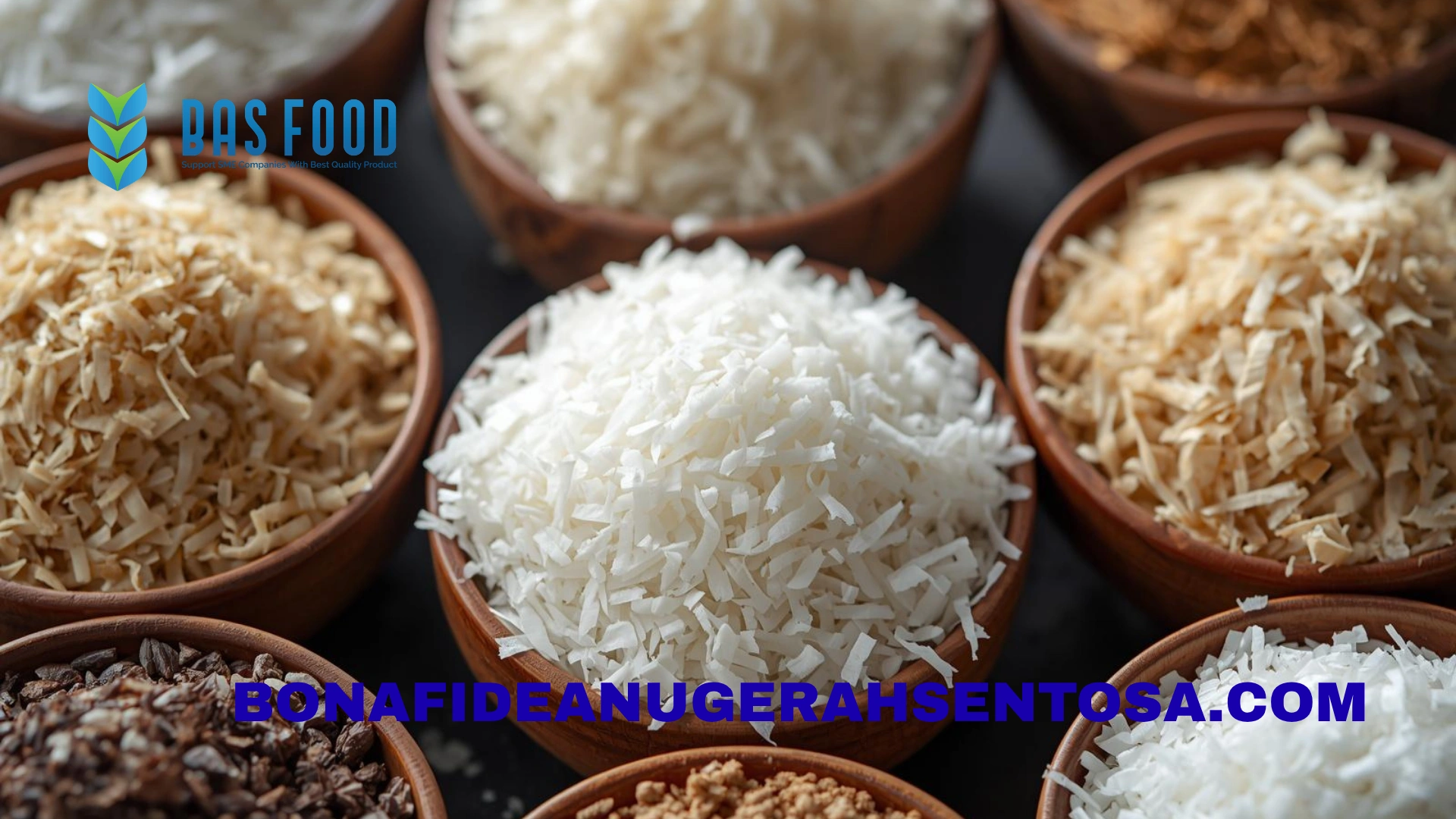
Understanding Basic Shredded Coconut Specifications
Every buyer needs a clear definition of the product they purchase. Basic specifications include color, aroma, and overall appearance of the meat. You should request detailed sheets from your potential export partners regularly. These documents describe the exact type of coconut used in production. Therefore, always review the product description before signing contracts.
Furthermore, the grade of the coconut meat matters significantly for quality. High-grade shredded coconut comes from mature nuts with white flesh. Lower grades might contain brown spots or inconsistent textures often. You must define acceptable limits for defects in your agreement. This clarity ensures both parties expect the same final product.
Moisture Content Requirements for Export
Moisture levels determine the shelf life of shredded coconut products directly. High moisture content encourages mold growth during long ocean transit times. Export standards typically require moisture levels below three percent strictly. You must verify these numbers with independent lab test results. Consequently, dry products reach your warehouse in safe condition.
Additionally, drying methods affect the final texture and taste greatly. Sun drying offers a natural flavor but lacks consistency sometimes. Mechanical drying provides uniform results across large production batches. You should ask your supplier about their specific drying technology. This information helps you predict the quality of every shipment.
Fat and Oil Content Standards
Fat content influences the nutritional value and culinary use of the product. Shredded coconut naturally contains high levels of healthy saturated fats. Buyers often require specific fat percentages for their manufacturing formulas. You need to confirm these levels match your recipe requirements. Therefore, request nutritional analysis reports with every single order.
Moreover, oil separation can occur if storage conditions remain poor. Proper processing prevents excess oil from leaking into packaging materials. You should inspect incoming goods for signs of grease stains. Consistent fat content indicates stable production processes at the factory. This stability supports your own quality control measures effectively.
Particle Size and Texture Guidelines
Customers expect consistent texture when they open your product packages. Shredded coconut comes in fine, medium, and coarse cut sizes. You must specify the exact mesh size for your target market. Inconsistent particles lead to complaints from end consumers frequently. Therefore, define particle distribution limits in your purchase agreement.
Additionally, texture affects how the coconut behaves in baking applications. Fine shreds blend smoothly into batters and dough mixtures. Coarse shreds provide crunch and visual appeal for toppings. You need to match the cut size to your intended usage. This alignment ensures your final products perform well for customers.
Microbiological Safety Limits
Food safety remains the top priority for international import regulations. Shredded coconut must meet strict limits for bacteria and pathogens. Common tests check for Salmonella, E. coli, and total plate count. You cannot accept shipments that exceed these safety thresholds. Therefore, always require recent microbiological test certificates.
Furthermore, facilities must maintain hygienic conditions during processing operations. Workers should wear protective gear and follow sanitation protocols strictly. Regular audits ensure the factory maintains high cleanliness standards. You should ask for copies of recent third-party audit reports. This due diligence protects your brand from safety scandals.
Chemical Residue and Contaminant Controls
Pesticide residues pose a significant risk to consumer health globally. Exporters must test raw coconuts for chemical contaminants before processing. International laws set maximum residue limits for various substances. You need proof that the product meets these legal requirements. Consequently, request pesticide analysis reports for every batch.
Additionally, heavy metals like lead and cadmium require monitoring carefully. Soil conditions can affect the mineral content of the nuts. Reliable suppliers test for these elements routinely to ensure safety. You should verify their testing frequency and laboratory accreditation. This verification builds trust in their quality management systems.
Packaging Standards for Shredded Coconut Specifications
Packaging protects the product from physical damage and environmental exposure. You must ensure materials meet food-grade safety standards globally. Moisture barriers prevent spoilage during long shipping voyages effectively. The supplier should offer custom labeling options for your brand. Clear labeling helps you comply with local retail laws.
Next, verify if they follow import country labeling rules strictly. Ingredients and allergen warnings must appear correctly on every pack. Mistakes here lead to customs seizures or fines immediately. The supplier needs experience with your specific destination market. They should review artwork before printing begins to avoid errors.
Labeling and Documentation Compliance
Accurate documentation speeds up customs clearance processes at ports. You need commercial invoices, packing lists, and certificates of origin. Health certificates from authorized government agencies are also mandatory. Missing papers cause delays and extra storage costs frequently. Therefore, confirm all document requirements before shipment departure.
Moreover, labeling must include batch numbers for traceability purposes. This feature allows you to track products back to the source. You can manage recalls efficiently if safety issues arise later. Clear labels also help retailers manage stock rotation properly. This organization reduces waste and improves inventory management.
Storage and Transportation Conditions
Logistics expertise ensures your cargo arrives on time and intact. The supplier should handle export documentation professionally and quickly. They must coordinate with freight forwarders efficiently to avoid delays. Delays at the port cost money and damage relationships significantly. Therefore, choose a partner with strong shipping networks.
Next, confirm their experience with refrigerated or dry containers specifically. Shredded coconut usually ships in dry containers with protective liners. However, specific markets might require temperature control for freshness. They must know the best routing for your destination country. Efficient routing reduces transit time and risk of damage.
Partnering with CV Bonafide Anugerah Sentosa
CV Bonafide Anugerah Sentosa stands out as a trusted exporter globally. They serve as a reliable partner for various commodity groups. Their expertise extends beyond coconuts to diverse product categories. They produce Bluefin Tuna and other fishery products professionally. This diversity shows strong operational management skills and reliability.
Additionally, they handle spices and cocoa products with great care. Their multi-product capability indicates robust supply chains and resources. You can source multiple items from one verified partner easily. This consolidation simplifies your logistics and paperwork significantly. They emphasize compliance and export experience for all international clients.
Conclusion
Selecting the right partner requires careful research and due diligence. You must evaluate quality, safety, and logistics capabilities thoroughly. A strong relationship supports your business growth effectively over time. Do not rush the selection process without verifying facts first. Your brand reputation depends on this critical choice today.
Furthermore, prioritize transparency and communication in all business dealings. Clear contracts prevent misunderstandings during the long partnership ahead. You need a supplier who acts as an extension of your team. Focus on long-term value rather than short-term savings only. This strategy ensures sustainable success in the competitive market.
Contact CV Bonafide Anugerah Sentosa how we can provide the best solutions for you. WhatsApp: +62 8213 4505 737, Email: info@bonafideanugerahsentosa.com / bas.mdir@gmail.com.