
The debate about Palm Sugar vs Natural Sweeteners has grown alongside the rising demand for healthier sugar alternatives. Consumers are now more aware of how sweeteners affect energy levels, weight management, and overall health. As a result, palm sugar is being compared to cane sugar, honey, and other natural substitutes.
This comparison is not just about taste but also nutrition, sustainability, and market accessibility. Understanding the differences helps consumers, food manufacturers, and even suppliers decide which sweetener fits best into modern diets. To explore this further, let us examine palm sugar’s role among natural sweeteners. We will see how it stacks up against its popular counterparts.
Palm Sugar vs Cane Sugar: The Sweetness Battle
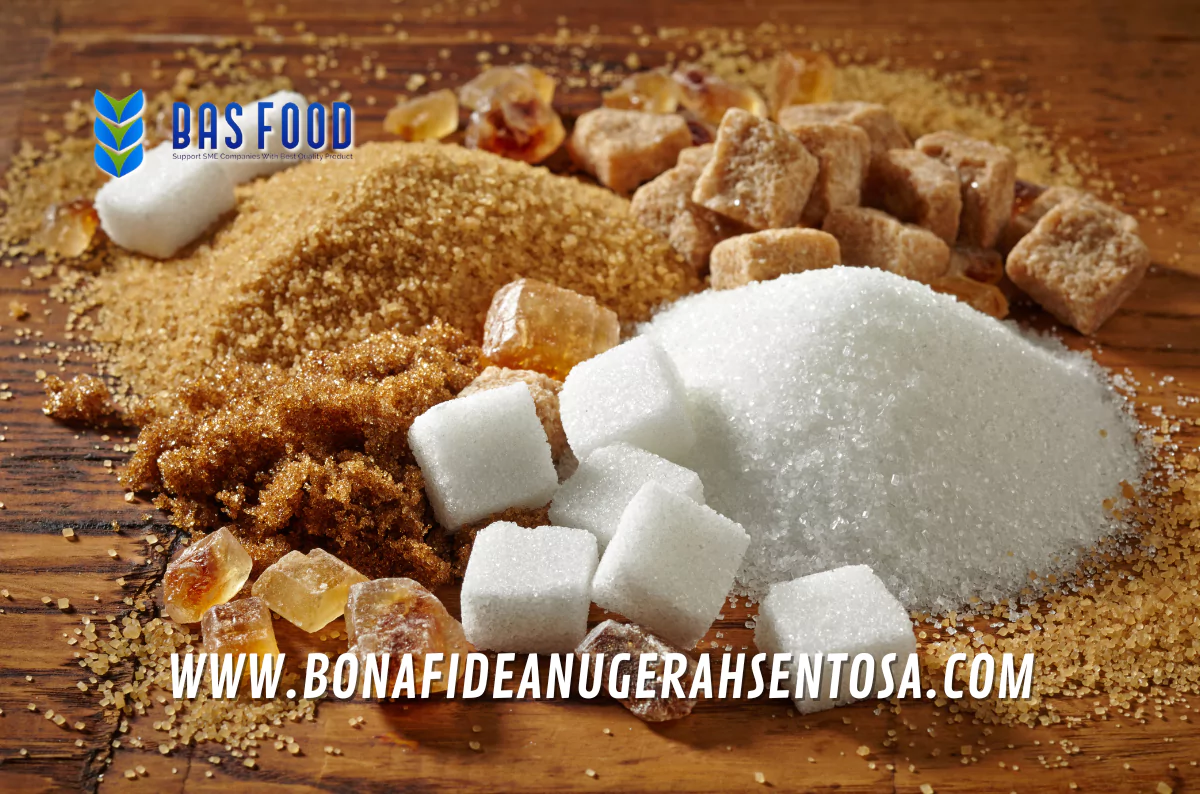
When discussing palm sugar vs cane sugar, the first noticeable difference lies in their production. Cane sugar comes from sugarcane stalks, refined into white or brown crystals. Palm sugar, on the other hand, is harvested from the sap of palm trees, then boiled into blocks, granules, or syrup.
Nutritionally, palm sugar offers trace minerals such as potassium, zinc, and iron, which are stripped away during the refining of cane sugar. Additionally, palm sugar has a lower glycemic index compared to cane sugar. This means it causes a slower rise in blood sugar. While both sweeteners provide calories, palm sugar is often preferred by health-conscious consumers seeking a more natural and less processed option.
Palm Sugar vs Honey: Nature’s Liquid Gold
The comparison of palm sugar vs honey highlights the diversity of natural sweeteners. Honey is produced by bees from flower nectar, resulting in a thick golden liquid packed with enzymes, antioxidants, and antibacterial properties. Palm sugar, in contrast, is plant-based. It offers a caramel-like flavor that blends well in baking and cooking.
Both sweeteners are less processed than refined cane sugar, yet they serve different purposes. Honey is commonly used in teas, spreads, and health remedies. In contrast, palm sugar is favored in Southeast Asian cuisines and modern confectionery. From a vegan perspective, palm sugar provides an advantage since it does not involve animal byproducts, making it a suitable alternative for plant-based diets.
Palm Sugar Alternatives in the Market
Beyond cane sugar and honey, there are other palm sugar alternatives in the natural sweetener category. These include agave nectar, maple syrup, stevia, and coconut sugar. Each comes with unique flavor notes, nutritional values, and consumer appeal. For example, agave nectar is sweeter than sugar but lower on the glycemic index, while stevia offers zero calories.
Palm sugar competes strongly with these alternatives because of its balanced flavor profile. Unlike stevia, which can have a bitter aftertaste, or maple syrup, which is geographically limited, palm sugar remains versatile and widely accepted. Its role as a sustainable alternative also makes it attractive for eco-conscious consumers seeking balance between taste and environmental responsibility.
Nutritional Profile: Palm Sugar vs Natural Sweeteners
Looking at the nutritional value of Palm Sugar vs Natural Sweeteners, palm sugar contains essential minerals absent in highly processed sweeteners. Its potassium, calcium, and magnesium content contribute to electrolyte balance and bone health. Honey, however, provides antioxidants and antibacterial benefits. Cane sugar, in contrast, offers primarily empty calories with little nutrition.
Palm sugar’s glycemic index ranges around 35, which is lower than cane sugar (about 60–65). Honey sits somewhere in the middle, depending on its floral source. This lower glycemic impact makes palm sugar a preferred option for those managing blood sugar levels, though moderation remains important across all sweeteners.
Taste and Culinary Uses Across Sweeteners
Culinary applications strongly influence the choice between Palm Sugar vs Natural Sweeteners. Palm sugar’s caramel-like, earthy flavor makes it ideal for traditional Asian dishes, baked goods, sauces, and desserts. It dissolves easily and adds depth to recipes without overpowering other ingredients.
Honey, on the other hand, lends floral sweetness and moisture to baked products, making it a staple in pastries, glazes, and beverages. Cane sugar remains the universal choice for mass production due to its neutral flavor and availability. However, palm sugar is gaining traction among chefs and food manufacturers for its unique taste and perceived health benefits.
Sustainability and Ethical Considerations
The sustainability factor is essential in comparing Palm Sugar vs Natural Sweeteners. Palm sugar production relies on tapping tree sap without felling or destroying the palm, ensuring long-term agricultural use. This practice supports biodiversity and provides continuous income for rural farmers.
Conversely, cane sugar production often involves intensive land use and high water consumption. Honey production depends on bee populations, which face environmental challenges such as pesticides and habitat loss. Thus, palm sugar emerges as one of the more sustainable and ethical options in the sweetener industry. This is especially true when sourced from community cooperatives.
Global Trade and Market Dynamics
From a trade perspective, Palm Sugar vs Natural Sweeteners represents a growing global competition. Palm sugar is mainly exported from Indonesia, Thailand, and India. In contrast, honey has a diverse global supply chain spanning from China to Europe. Cane sugar dominates in countries like Brazil, India, and Thailand, making it the most accessible sweetener worldwide.
However, palm sugar’s increasing demand in health-conscious markets has reshaped its trade routes. Exporters work closely with international buyers to meet organic and fair-trade certifications. As a result, palm sugar is now seen not only as a regional delicacy but also as a global commodity with strong growth potential.
CV Bonafide Anugerah Sentosa: A Trusted Supplier
Reliable suppliers play an essential role in distributing natural sweeteners worldwide. CV Bonafide Anugerah Sentosa stands out as a trusted exporter from Indonesia. They offer not only palm sugar but also coffee beans, spices, fishery products, and coconut derivatives. Their commitment to ethical sourcing and quality standards makes them a key partner for international buyers seeking dependable suppliers.
By supporting both farmers and global markets, CV Bonafide Anugerah Sentosa ensures that traditional products like palm sugar remain competitive in the international trade arena. Their expertise across multiple commodities reinforces Indonesia’s reputation as a hub for natural and sustainable products.
The Future of Palm Sugar and Natural Sweeteners
The comparison of Palm Sugar vs Natural Sweeteners ultimately reflects a larger trend in global food systems. Consumers are shifting toward unrefined, nutrient-rich, and eco-friendly sweeteners. Palm sugar, with its balanced flavor, nutritional benefits, and sustainability, is positioned to play a major role in this shift.
Looking ahead, palm sugar alternatives will continue to expand, but palm sugar’s versatility and growing reputation as a premium sweetener will likely ensure its prominence. With reliable suppliers like CV Bonafide Anugerah Sentosa, palm sugar’s journey into global households is only set to accelerate.
Conclusion
The debate of Palm Sugar vs Natural Sweeteners reveals that while honey, cane sugar, and other alternatives have their unique strengths, palm sugar stands out for its nutritional value, culinary versatility, and sustainability. Whether compared as palm sugar vs cane sugar or palm sugar vs honey, palm sugar consistently offers a more balanced and eco-conscious option.
As demand for healthier and more sustainable sweeteners grows, palm sugar continues to strengthen its role in international markets. With the support of ethical suppliers like CV Bonafide Anugerah Sentosa, palm sugar is not just a traditional product but a key player in the modern global sweetener industry.
Contact CV Bonafide Anugerah Sentosa how we can provide the best solutions for you. WhatsApp: +62 8213 4505 737, Email: info@bonafideanugerahsentosa.com / bas.mdir@gmail.com.