
The rise of Palm Sugar Private Label reflects a growing demand for customized and branded natural sweeteners in the global food industry. Private labeling allows businesses to sell palm sugar products under their own brand, even if they do not directly produce the sweetener. This model is particularly appealing for small and medium enterprises, retailers, and health food brands that want to expand their product lines with minimal investment in production infrastructure.
Palm sugar’s popularity is tied to its natural appeal, lower glycemic index, and versatility in both traditional and modern recipes. By offering private label services, suppliers enable businesses to position palm sugar as a premium product that aligns with consumer expectations for healthier alternatives to refined sugar. In this context, palm sugar private labeling is not just a trend but a strategic approach to participating in a rapidly growing market.
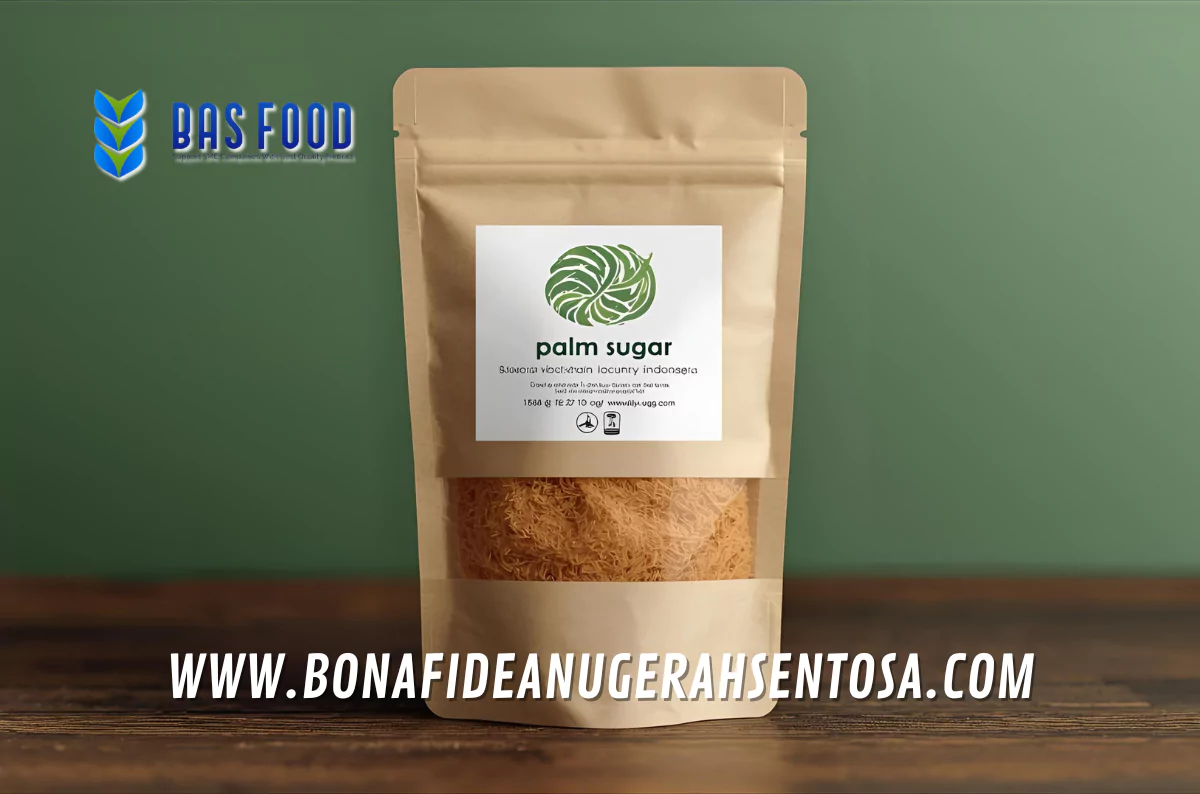
Understanding Palm Sugar Private Labeling
Private labeling is a process where a manufacturer produces goods that are then branded and marketed by another company. In the case of Palm Sugar Private Label, businesses can purchase palm sugar products—such as blocks, granules, or syrups—and package them with their own brand identity.
This approach benefits both suppliers and buyers. Suppliers reach more markets without investing heavily in branding, while buyers gain access to high-quality palm sugar without building production facilities. As a result, private labeling offers flexibility and scalability, making it a cornerstone of modern food distribution strategies.
The Appeal of Custom Palm Sugar
The demand for custom palm sugar products highlights the importance of differentiation in competitive markets. Companies can choose packaging designs, portion sizes, and even specific palm sugar varieties to match their customer base. For example, some brands may request organic certifications, while others may prefer single-origin sourcing from specific regions in Indonesia or Thailand.
Customization also applies to product formats. Granulated palm sugar is ideal for baking mixes, while syrup appeals to beverage brands. By offering custom palm sugar options, private label partners enable businesses to tailor products to niche markets such as vegan diets, gluten-free communities, or health-conscious consumers seeking natural sweeteners.
Palm Sugar OEM Services: Opportunities for Growth
Another model related to private labeling is Palm Sugar OEM (Original Equipment Manufacturing). In OEM arrangements, the manufacturer produces palm sugar products according to the buyer’s specifications. These products may differ in texture, granulation, or packaging style, depending on the target market.
Palm sugar OEM services are particularly attractive for international buyers who want to create unique product lines without managing the complexities of palm sugar sourcing and processing. With OEM support, businesses can innovate while ensuring consistency in quality, safety, and branding. This strategy accelerates market entry and allows companies to focus on sales, marketing, and distribution.
Palm Sugar Co-Packing for Brands and Startups
For startups and small businesses, palm sugar co-packing is an accessible way to enter the sweetener market. Co-packing services provide packaging, labeling, and sometimes even formulation support, allowing new brands to test products without large upfront investments.
Co-packing partners often provide flexibility in production volumes, which is essential for businesses testing new products or targeting limited regional markets. This system reduces financial risks while ensuring that product packaging meets market standards. As a result, co-packing bridges the gap between artisanal production and large-scale distribution.
Benefits of Palm Sugar Private Label
The advantages of choosing Palm Sugar Private Label extend across cost efficiency, brand identity, and market positioning. First, private labeling eliminates the need for businesses to invest in expensive infrastructure such as boiling facilities, packaging lines, or logistics networks. Instead, they can focus resources on branding and customer engagement.
Second, private labeling enhances brand identity. By offering palm sugar products under their own labels, companies build customer loyalty and differentiate themselves from generic or unbranded products. Lastly, private labeling provides flexibility, as businesses can expand or adjust product lines without disrupting the production process.
Global Demand for Palm Sugar Private Label Products
The global market for natural sweeteners continues to expand, and Palm Sugar Private Label products are riding this wave of demand. In regions like North America and Europe, consumers are actively seeking alternatives to refined cane sugar. Health-conscious buyers, vegan communities, and eco-friendly consumers are particularly drawn to palm sugar’s nutritional and sustainable profile.
Private label arrangements make it easier for brands in these markets to capitalize on trends quickly. With the support of suppliers offering OEM and co-packing services, businesses can introduce palm sugar products tailored to local tastes while meeting international standards such as organic, fair trade, and non-GMO certifications.
CV Bonafide Anugerah Sentosa: Your Trusted Partner
A reliable partner is essential for building a successful private label brand, and CV Bonafide Anugerah Sentosa has established itself as a trusted supplier. Based in Indonesia, the company specializes not only in palm sugar but also in coffee beans, spices, fishery products, and coconut derivatives. Their broad expertise ensures consistent quality, ethical sourcing, and reliable distribution across multiple industries.
For businesses exploring Palm Sugar Private Label, palm sugar OEM, and palm sugar co-packing, CV Bonafide Anugerah Sentosa offers flexible solutions tailored to international markets. By connecting traditional farmers with modern branding needs, the company empowers brands to expand their portfolios while supporting sustainable agriculture and local economies.
Future of Palm Sugar Private Labeling
The future of Palm Sugar Private Label looks promising as consumer preferences shift toward authenticity, transparency, and sustainability. Brands that adopt private label strategies will gain an advantage in positioning themselves as leaders in the natural sweetener space. Innovations such as eco-friendly packaging, blockchain-based traceability, and functional palm sugar blends will likely shape the next phase of private label growth.
As suppliers like CV Bonafide Anugerah Sentosa continue to invest in quality control and international certifications, private label brands can confidently expand into new markets. This synergy between traditional production and modern branding ensures that palm sugar will remain a central player in the global sweetener industry.
Conclusion
The rise of Palm Sugar Private Label reflects a shift in global food trends toward customization, sustainability, and natural alternatives. Whether through custom palm sugar, palm sugar OEM, or palm sugar co-packing, businesses now have multiple pathways to create branded palm sugar products without heavy production investments.
With the expertise of trusted suppliers like CV Bonafide Anugerah Sentosa, companies can access high-quality palm sugar while focusing on brand growth and consumer engagement. As palm sugar continues to attract global attention, private label strategies will remain one of the most effective ways to succeed in this dynamic industry. Contact CV Bonafide Anugerah Sentosa how we can provide the best solutions for you. WhatsApp: +62 8213 4505 737, Email: info@bonafideanugerahsentosa.com / bas.mdir@gmail.com.