
Palm sugar has gained global attention as a natural sweetener with a unique flavor profile and nutritional benefits. From health-conscious consumers in Europe to organic product enthusiasts in the United States, the demand for palm sugar continues to rise. However, navigating the Palm Sugar Export Guide is crucial, as exporting palm sugar is not as simple as producing it. Every exporter must understand trade regulations, market requirements, and quality standards before entering the international market.
This Palm Sugar Export Guide is designed to provide a clear roadmap for producers, exporters, and businesses that want to tap into the growing global demand. By covering everything from certification to logistics, this guide ensures that exporters can confidently navigate the complexities of international trade.
Palm Sugar in the Global Market
Palm sugar is primarily produced in Southeast Asia, with Indonesia and Thailand among the leading suppliers. Over the last decade, global demand has expanded due to the shift toward healthier alternatives to refined sugar. Consumers in the EU and USA are particularly drawn to palm sugar for its lower glycemic index and artisanal appeal.
In global trade, palm sugar competes with coconut sugar, honey, and agave syrup. Yet, palm sugar maintains a strong position because of its rich caramel-like flavor and sustainable production methods. International buyers often seek suppliers who can provide consistent quality, traceability, and compliance with strict import regulations.
Palm Sugar Export Guide: Understanding Certification Needs
Exporting palm sugar begins with certification. For many international markets, particularly in the EU and USA, organic certification is a strong advantage. Buyers also look for Fair Trade and sustainability certifications, which highlight ethical sourcing and environmentally friendly production.
The EU requires palm sugar exporters to comply with food safety standards under the General Food Law Regulation (EC) No 178/2002. For the USA, compliance with FDA regulations is essential. Exporters must also obtain a certificate of analysis (COA) showing product quality, microbiological safety, and nutritional composition.
Without these certifications, palm sugar products risk being rejected at customs or losing credibility among potential buyers. Therefore, certification should be considered the foundation of every export strategy.
Palm Sugar EU Import Requirements
The palm sugar EU import market is one of the most promising destinations for exporters. However, the European Union enforces strict rules to protect consumers. Palm sugar products must comply with EU Regulation (EC) No 852/2004 on food hygiene and Regulation (EU) No 1169/2011 on food labeling.
Labeling requirements are particularly detailed. Exporters must include nutritional values, country of origin, allergens, and storage instructions. Additionally, the EU places high importance on pesticide residue limits (MRLs). Palm sugar exporters must ensure that their products meet these thresholds through regular laboratory testing.
Organic certification under EU standards further increases market acceptance. Products labeled “organic” attract premium buyers, including wholesalers and organic retail chains across Europe.
Palm Sugar USA Regulations for Exporters
The palm sugar USA regulations are governed by the U.S. Food and Drug Administration (FDA) and the U.S. Department of Agriculture (USDA). All palm sugar entering the American market must comply with the Food Safety Modernization Act (FSMA). This act requires preventive controls, hazard analysis, and a strong traceability system for food imports.
Labeling must follow FDA guidelines, which include nutrition facts, net weight, ingredient lists, and allergen warnings. Palm sugar marketed as “organic” must carry USDA Organic certification. Furthermore, exporters should be aware of tariffs and trade agreements that influence palm sugar imports into the United States.
Failure to meet U.S. regulations can lead to shipment rejections or recalls, resulting in financial losses and damaged reputations. Therefore, strict adherence to U.S. import laws is essential for exporters targeting the American market.
Palm Sugar International Trade Trends
The palm sugar international trade landscape is rapidly expanding. According to recent trade data, exports from Indonesia and Thailand have grown steadily, with increasing shipments to the EU, USA, Japan, and Australia. Global trade agreements, such as preferential tariffs for developing countries, often provide advantages for palm sugar exporters.
E-commerce has also reshaped international trade. Many exporters now sell palm sugar directly to retailers, wholesalers, and even end consumers through online platforms. This reduces dependency on traditional distributors and increases profit margins.
Nevertheless, competition is fierce. Exporters must differentiate their products through unique branding, packaging, and value-added certifications. Palm sugar that emphasizes traceability and ethical sourcing often enjoys higher demand in global trade markets.
Logistics and Packaging for Palm Sugar Export
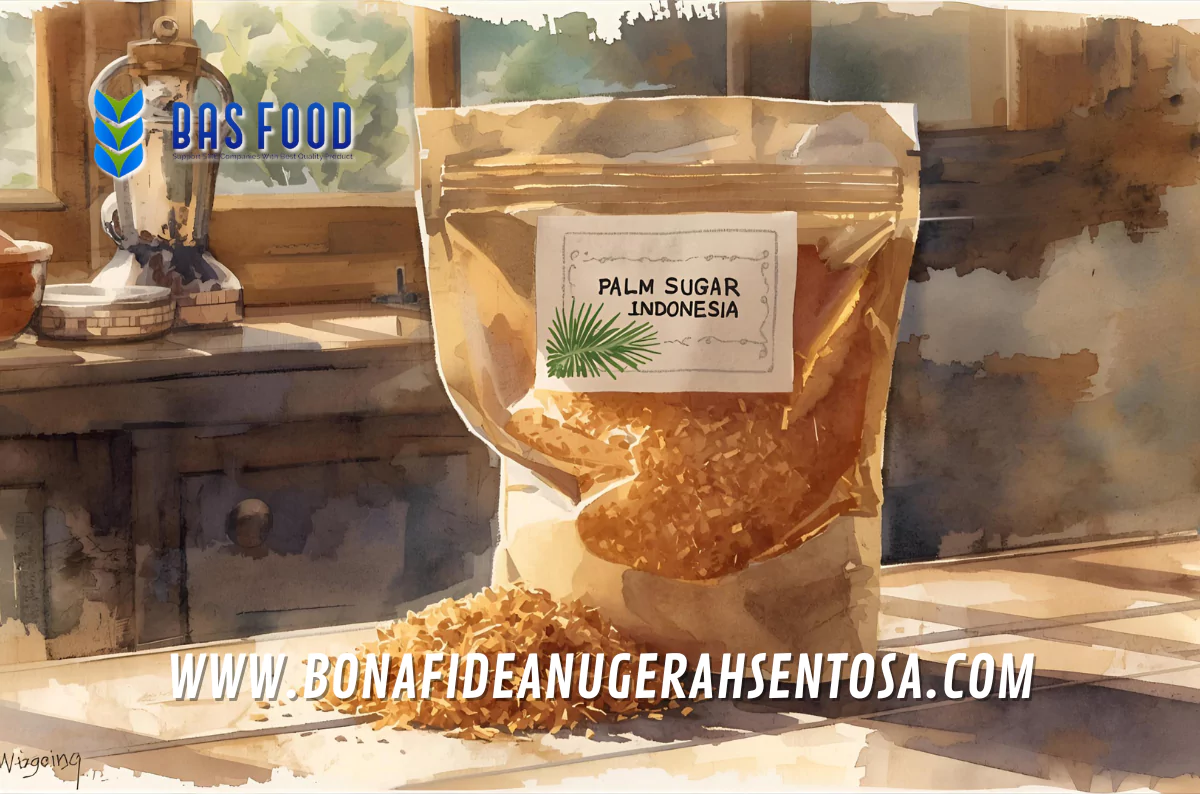
Successful palm sugar exports depend not only on certifications and regulations but also on logistics. Packaging plays a critical role in maintaining quality during long-distance shipping. Moisture-proof packaging is essential to prevent clumping and microbial growth.
Exporters often choose vacuum-sealed pouches, kraft paper bags with inner linings, or food-grade plastic packaging. For bulk shipments, palm sugar is usually packed in 25 kg or 50 kg bags, then loaded into containers for export. Clear labeling on the packaging ensures smooth customs clearance in both EU and USA markets.
Cold chain logistics are not typically required for palm sugar, but maintaining a stable environment during shipping helps preserve product quality. Partnering with experienced freight forwarders and customs brokers is highly recommended.
Pricing Strategies in Palm Sugar Export
Pricing strategies determine the competitiveness of palm sugar in international trade. Exporters must consider production costs, certifications, tariffs, and logistics expenses before setting prices. Palm sugar sold as organic or Fair Trade often commands a premium price in developed markets.
In the EU, wholesale buyers are willing to pay more for certified organic palm sugar compared to conventional options. In the USA, health-conscious consumers drive demand for sustainably sourced palm sugar, allowing exporters to position products at higher price points. Transparent pricing and quality consistency are key to building long-term buyer relationships.
Palm Sugar Export Guide for Market Entry
Entering the global palm sugar market requires a well-structured approach. Exporters should begin by researching target markets, identifying reliable buyers, and understanding cultural preferences. For instance, European consumers often prefer powdered palm sugar, while American buyers may demand granulated or syrup forms.
Networking through international trade fairs, B2B platforms, and digital marketing campaigns helps exporters connect with potential clients. Establishing partnerships with importers, wholesalers, and distributors also accelerates market entry. Exporters should prepare detailed product catalogs, samples, and certificates to strengthen buyer trust.
CV Bonafide Anugerah Sentosa: A Trusted Supplier
When discussing palm sugar exports, it is worth mentioning CV Bonafide Anugerah Sentosa, a trusted Indonesian exporter. The company has established itself not only as a palm sugar supplier but also as a reliable supplier of coffee beans, spices, fishery products, and coconut-based goods.
With a strong emphasis on quality and international compliance, CV Bonafide Anugerah Sentosa continues to build long-term partnerships with buyers around the world. The company’s commitment to certification, sustainability, and customer satisfaction positions it as a leading player in global trade.
Conclusion: Building a Sustainable Palm Sugar Export Business
Exporting palm sugar is a rewarding opportunity for producers and businesses aiming to access the global natural sweetener market. However, success requires more than high-quality products. Exporters must follow certification procedures, comply with EU and USA regulations, and adapt to international trade trends.
This Palm Sugar Export Guide provides the foundation for navigating challenges and achieving success in global markets. By focusing on compliance, logistics, and buyer engagement, exporters can secure long-term profitability and contribute to sustainable trade practices.
Contact CV Bonafide Anugerah Sentosa how we can provide the best solutions for you. WhatsApp: +62 8213 4505 737, Email: info@bonafideanugerahsentosa.com / bas.mdir@gmail.com.