
In today’s global marketplace, trust is everything. For coconut sugar producers and importers alike, organic coconut sugar certification is more than just a label—it’s a symbol of integrity, sustainability, and quality assurance. As consumer awareness about ethical sourcing and clean-label ingredients grows, certified organic products are becoming the industry standard rather than the exception.
Indonesia, as the world’s top coconut sugar producer, plays a central role in meeting this demand. Exporters and manufacturers must comply with international organic standards like EU Organic and USDA Organic to access lucrative markets. Understanding what these certifications mean—and why they matter—is essential for every global buyer.
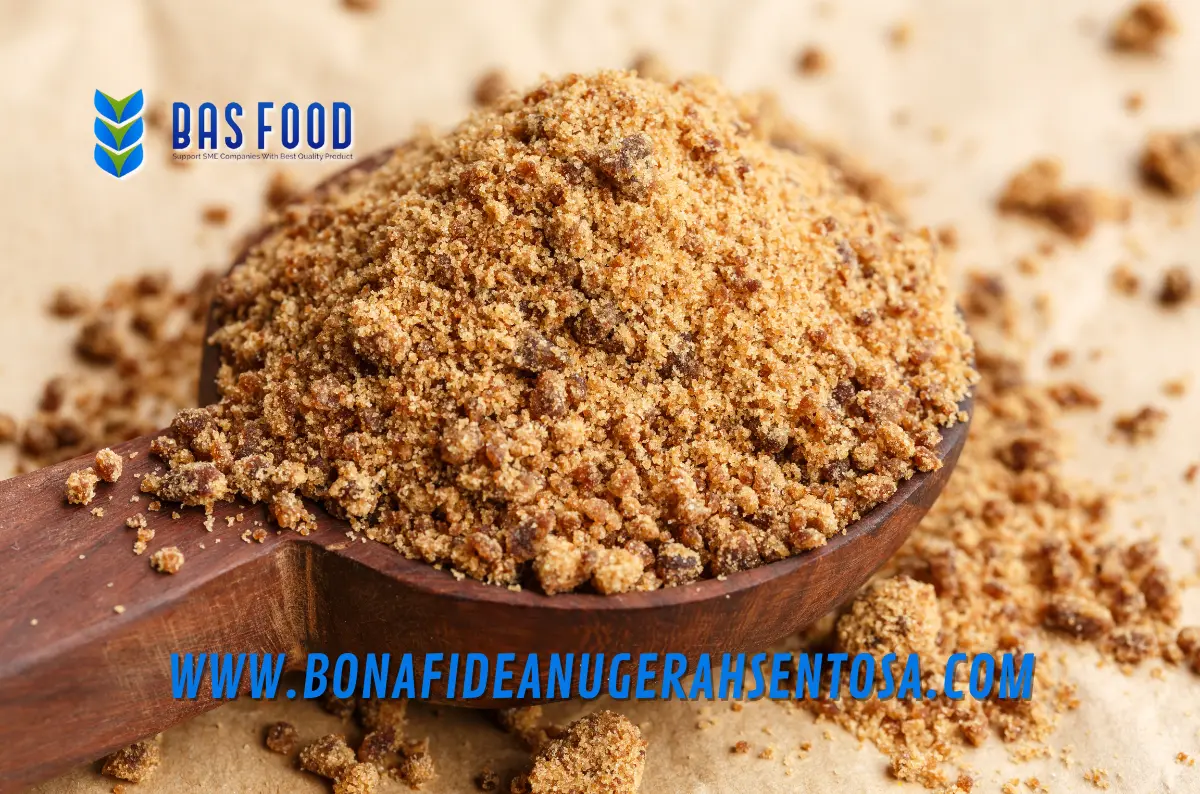
The Global Demand for Organic Coconut Sugar
The shift toward natural and organic sweeteners is unmistakable. As food brands reduce their reliance on refined cane sugar, coconut sugar has gained recognition for its minimal processing and plant-based origin.
However, as the market grows, so does the need for certified organic coconut sugar. Buyers now demand traceable, verified products that meet international agricultural standards. Certification helps assure that the sugar is produced without synthetic fertilizers, pesticides, or genetically modified crops. It aligns with the global movement toward sustainable agriculture.
For exporters, certification isn’t just a marketing tool—it’s a passport to international trade. Many importers in the European Union, United States, and Japan require certified documentation before considering new suppliers.
What Organic Certification Really Means
Organic certification verifies that every step in the production chain—from coconut sap collection to packaging—follows strict environmental and ethical practices. This includes soil health management, pest control using natural methods, and transparent recordkeeping.
For coconut sugar producers, this means working closely with smallholder farmers to ensure compliance. Farmers must avoid chemical inputs and use traditional techniques like natural composting and manual pest management. Certification bodies regularly inspect and audit the farms to verify compliance.
Once certified, producers can display globally recognized labels such as EU Organic and USDA Organic, which assure buyers that the product meets the highest international standards.
EU Organic Standard: Setting the Benchmark for Quality
The EU Organic Standard is one of the world’s most respected certification systems. To qualify, coconut sugar producers must meet strict rules covering not only production methods but also transportation, storage, and labeling.
Under EU regulations, organic farming prioritizes biodiversity and soil fertility. Farmers must avoid synthetic inputs entirely, ensuring that every coconut flower tapped for sap contributes to a natural, sustainable cycle. Exporters who meet these requirements can sell their products throughout the European Economic Area. The recognizable green leaf logo symbolizes organic compliance.
Moreover, the EU standard emphasizes transparency. Every batch must be traceable from farm to factory, giving buyers confidence that the product they purchase truly comes from certified sources.
USDA Organic Coconut Sugar: The U.S. Market’s Gold Standard
In the United States, the USDA Organic certification remains the benchmark for organic products. For coconut sugar exporters targeting the U.S. market, compliance with USDA’s National Organic Program (NOP) is mandatory.
To earn USDA certification, coconut sugar producers must prove that their farming and processing operations meet the program’s rigorous standards. This includes maintaining buffer zones between organic and conventional farms, preventing contamination, and adhering to approved organic processing methods.
When a product carries the USDA Organic seal, it signifies full compliance with these standards—ensuring that no artificial fertilizers, pesticides, or GMOs were used. For importers and brands, this certification represents both quality assurance and regulatory compliance, critical for market entry into the United States.
Export Compliance: Navigating the Documentation Process
Achieving organic coconut sugar certification is only half the battle. Exporters must also navigate documentation and compliance requirements to ensure smooth shipment and acceptance in destination markets.
This process typically includes providing:
- Certificates of origin and authenticity
- Laboratory test results confirming purity and safety
- Export compliance forms verified by recognized certification bodies
- Regulatory bodies such as Control Union, ECOCERT, and NASAA often oversee certification audits in Indonesia. These organizations ensure that the exporters meet global organic standards and maintain transparency in production.
Buyers should always request certification details before finalizing contracts. A trustworthy supplier will provide traceable, verifiable documents without hesitation—building long-term trust and reliability.
Quality Assurance: Beyond Certification Labels
While certifications confirm compliance, quality assurance involves maintaining consistent production standards that preserve the product’s flavor, color, and nutrient integrity.
Reputable exporters invest in advanced drying and filtration technologies that prevent contamination while preserving the natural sweetness of coconut sugar. Quality control labs test each batch for moisture content, granule size, and purity to meet international requirements.
This commitment ensures that the product remains consistent across shipments. It gives importers peace of mind when sourcing in bulk. Organic certification, combined with strict quality assurance, makes certified coconut sugar from Indonesia highly valued among global food manufacturers.
The Role of Farmers in Maintaining Organic Integrity
At the heart of organic certification are the coconut sap farmers—the people who ensure sustainability from the very first drop of sap collected. These smallholder farmers play a vital role in maintaining the organic integrity of coconut sugar.
Farmers follow traditional tapping methods passed down through generations, using bamboo containers instead of plastic ones and natural filtration processes. They also rely on organic compost to nourish coconut trees rather than synthetic fertilizers.
Training and collaboration with exporters help farmers align their methods with EU and USDA organic standards. This ensures consistency and compliance across the production chain. In many cases, certification opens up higher income opportunities for farmers, reinforcing ethical trade and fair partnerships.
CV Bonafide Anugerah Sentosa: Your Trusted Organic Supplier
Among Indonesia’s top certified exporters, CV Bonafide Anugerah Sentosa stands out as a reliable partner for global importers seeking premium, sustainably sourced coconut products.
The company specializes in a wide range of commodities. These include organic coconut sugar, desiccated coconut, coconut oil, spices, coffee, and fishery products. Their commitment to transparency and sustainability aligns perfectly with international certification standards such as EU Organic and USDA Organic.
By working directly with certified farmers and maintaining rigorous export protocols, Bonafide Anugerah Sentosa ensures that every shipment meets the highest levels of quality and compliance. This makes them a trusted name in the organic coconut sugar export industry.
Why Organic Certification Matters to Buyers
For global importers and brands, choosing certified suppliers isn’t just about compliance—it’s about consumer trust. Certified organic labels demonstrate that a product has been independently verified. This is crucial in a market where authenticity defines brand reputation.
Additionally, certification helps importers avoid legal issues, especially in regions where labeling laws are strict. It provides marketing advantages too, as consumers are more likely to purchase products with verified organic seals.
In essence, certification is the foundation of credibility. It connects responsible producers with discerning global buyers in a transparent and sustainable trade system.
The Future of Organic Coconut Sugar Export
As more consumers embrace sustainable and ethical products, the demand for certified organic coconut sugar is expected to grow even further. Producers and exporters in Indonesia are now investing in digital traceability systems, eco-friendly packaging, and farmer empowerment programs to enhance their certification value.
Global buyers can expect even greater transparency in sourcing, improved quality consistency, and stronger sustainability commitments from leading exporters. The future looks bright for Indonesian coconut sugar—and certification will continue to play a central role in its global success.
Final Thoughts
Understanding organic coconut sugar certification is essential for any importer seeking high-quality, ethically produced sweeteners. Certifications like EU Organic and USDA Organic aren’t just labels—they’re proof of sustainability, integrity, and dedication to excellence.
Companies like CV Bonafide Anugerah Sentosa embody these principles, offering global buyers not just products, but partnerships rooted in trust and responsibility. With the right certification and quality control, Indonesian coconut sugar will remain a leader in the natural sweetener industry for years to come.
Contact CV Bonafide Anugerah Sentosa how we can provide the best solutions for you. WhatsApp: +62 8213 4505 737, Email: info@bonafideanugerahsentosa.com / bas.mdir@gmail.com.