
Indonesia, an archipelagic nation with over 17,000 islands, holds some of the richest marine biodiversity in the world. One of its most valued catches is mackerel tuna, vital for both local diets and coastal community livelihoods. However, rising global seafood demand raises a serious question: Can we fish mackerel tuna without harming ocean balance?
This article explores Mackerel Tuna sustainability efforts in Indonesia and the challenges facing fishers, businesses, and communities. We also highlight steps taken to protect this valuable resource and secure its future for the next generation.
A Fish Worth Fighting For: Why Mackerel Tuna Matters
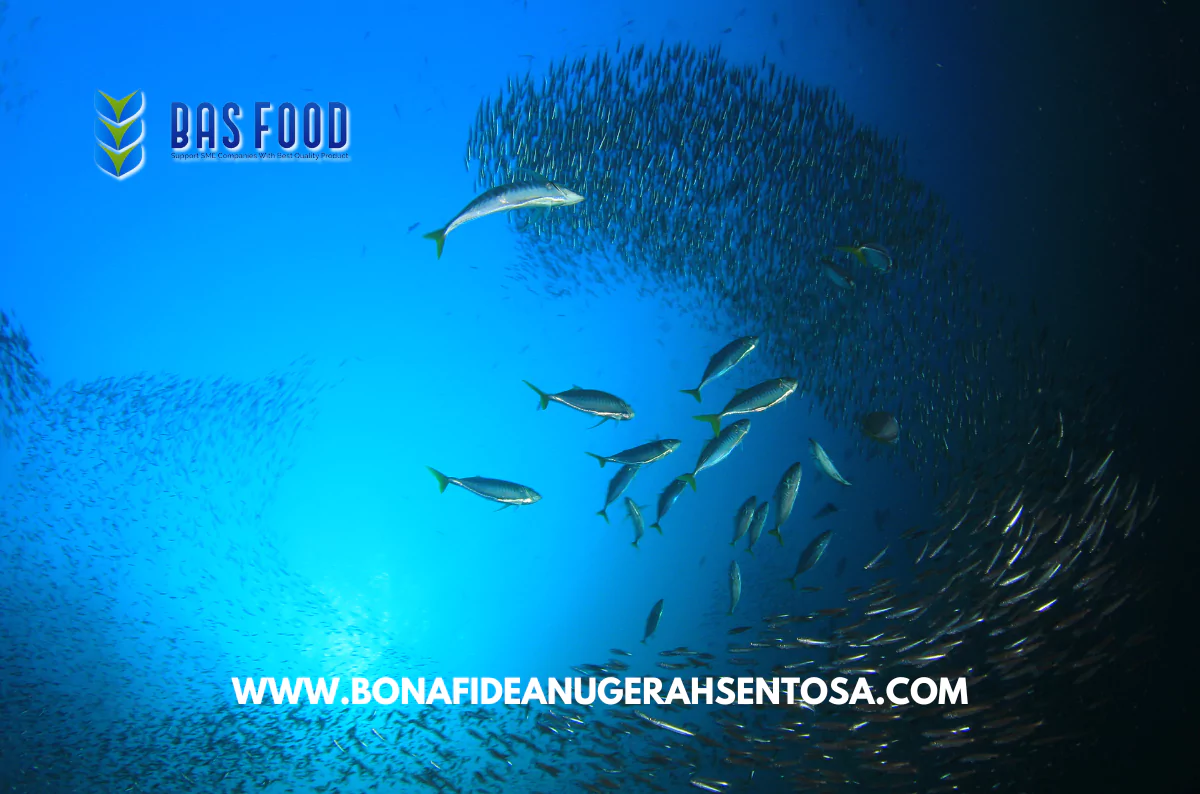
Mackerel tuna, also known as Euthynnus affinis, is a small, fast-swimming fish commonly found in the warm waters of the Indian and Pacific Oceans. In Indonesia, it is caught by small-scale fishers using traditional gear, making it a key species for food security and local livelihoods.
This tuna species is particularly important because of its short life cycle and fast growth, which make it less vulnerable to overfishing compared to larger, longer-living tuna species. However, that doesn’t mean it’s immune to pressure. In recent years, rising demand and increased fishing effort have sparked growing concerns over the Mackerel Tuna sustainability.
The Balancing Act: Challenges to Sustainability
Despite its resilience, the sustainability of mackerel tuna in Indonesia is facing several critical challenges. Overfishing, bycatch, and lack of proper management are the major concerns.
Many fishers still operate without data-driven quotas or fishing licenses. The absence of strict monitoring has led to localized depletion of fish stocks in some areas. On top of that, mackerel tuna is often caught alongside juvenile yellowfin and skipjack tuna, which poses a risk to other tuna species as well. That’s why sustainability efforts must take a holistic view, addressing the entire marine ecosystem.
Hooked on Change: What’s Being Done
Fortunately, Indonesia is not turning a blind eye. In fact, the country has been ramping up efforts to support sustainable fishing through policies, education, and partnerships. The Ministry of Marine Affairs and Fisheries (KKP) has started implementing a national roadmap for tuna fishery sustainability, which includes mackerel tuna.
Government and NGOs are testing initiatives like catch documentation and traceability (CDT) systems in various fishing communities. These systems track the journey of the fish from ocean to plate, ensuring legal and sustainable sourcing. They also encourage community-based fisheries management, empowering local fishers to take ownership of their fishing grounds and create rules that reflect local realities.
Sustainable Partnerships: The Role of Ethical Suppliers
To support long-term sustainability, collaboration between governments, NGOs, and private companies remains essential. This is where trusted suppliers like CV Bonafide Anugerah Sentosa step in to make a difference.
They specialize in yellowfin tuna exports and actively promote sustainable sourcing across their supply chains. CV Bonafide Anugerah Sentosa partners with certified vessels and processors that meet global sustainability standards.
They focus on quality and transparency to ensure tuna, including mackerel tuna, is harvested responsibly. By supporting small-scale fishers and ethical sourcing, the company helps Indonesia’s fisheries grow in both economy and ecology.
Community Voices: Fishermen Leading the Way
At the heart of Mackerel Tuna sustainability are the people who rely on the fish the most: Indonesia’s coastal fishers. In places like Lombok, Maluku, and Bitung, community groups are taking charge of their fishing practices, adopting eco-friendly gear, respecting seasonal closures, and reducing bycatch.
Training and awareness programs organized by NGOs and local governments are playing a big role here. Fishers are learning how to collect basic data, use selective gear, and report their catches. Some communities even use mobile apps to log their fishing activities, a modern touch that helps in gathering real-time information for science and policy-making.
This grassroots movement toward responsible fishing is proof that sustainability isn’t just a top-down effort—it’s thriving on the ground, too.
What You Can Do: Supporting Sustainable Tuna
If you’re a consumer, chef, or business owner, your choices can support the sustainability of mackerel tuna fishing in Indonesia. Look for tuna products that carry sustainability certifications like MSC (Marine Stewardship Council) or are labeled as responsibly sourced.
Better yet, choose suppliers like CV Bonafide Anugerah Sentosa who are transparent about their sourcing and committed to ethical fishing. Ask where your seafood comes from. Encourage local restaurants or food businesses to buy from sustainable sources. These small decisions make a big ripple.
By supporting responsible fisheries, you’re not just getting a delicious product—you’re helping protect ocean ecosystems and the communities that depend on them.
Future Waters: Charting the Course Ahead
The journey toward sustainable mackerel tuna fishing in Indonesia continues. While progress has been made, many challenges still lie ahead. Achieving long-term impact requires stronger enforcement, better scientific research, and ongoing collaboration.
The goal isn’t to stop fishing—it’s to fish smarter. Indonesia can protect its oceans and secure coastal livelihoods by aligning environmental health with economic resilience.
Companies like CV Bonafide Anugerah Sentosa raise the bar for sustainable seafood exports. Thanks to their efforts, there’s real hope that Indonesia’s tuna industry will tell a story of balance, not burnout.
Conclusion: A Catch Worth Protecting
Mackerel tuna isn’t just a fish—it’s a symbol of Indonesia’s deep connection to the sea. Protecting it means safeguarding food, jobs, and ecosystems. With growing awareness, responsible policies, and ethical suppliers, Mackerel Tuna sustainability in Indonesia can move from a challenge to a success story.
Together, we can make sure that fishing remains a way of life that respects the ocean and provides for the future. After all, sustainability is more than a trend—it’s the only way forward. Contact CV Bonafide Anugerah Sentosa how we can provide the best solutions for you. WhatsApp: +62 8213 4505 737, Email: info@bonafideanugerahsentosa.com / bas.mdir@gmail.com.