
In the ever-evolving seafood industry, squid is one of the most versatile and in-demand marine commodities. It plays a vital role in cuisines across continents, from Mediterranean calamari to East Asian stir-fries. But behind every delicious dish lies an important decision for buyers: where does the squid come from? In recent years, Indonesian Squid has become a buzzword among importers, chefs, and seafood distributors alike.
Globally, top squid-producing nations include Indonesia, China, India, Peru, and Spain. Each country offers a different species profile, harvesting method, and processing capability. In this article, we’ll explore how Indonesian Squid stacks up against its competitors and help you determine which origin offers the best value for your business or menu.
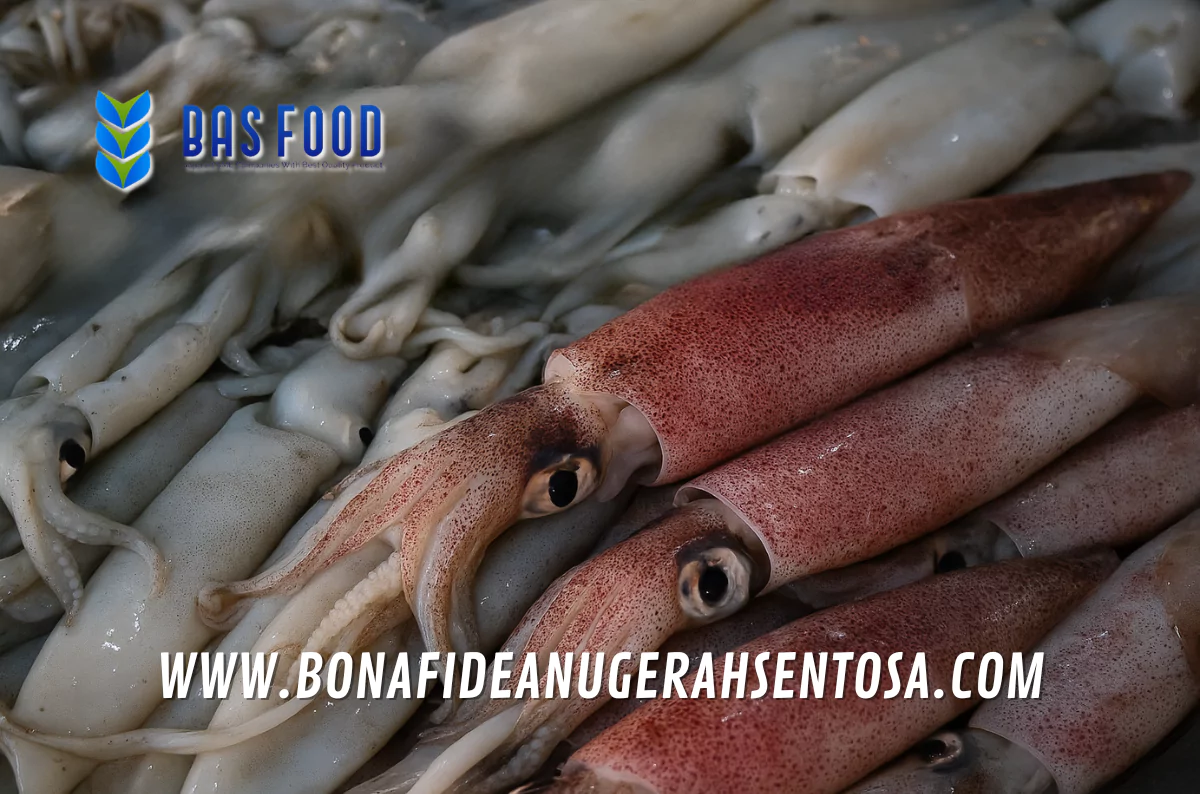
Indonesia’s Ocean Wealth: The Natural Habitat of Premium Squid
Indonesia, an archipelago of over 17,000 islands, enjoys a unique maritime geography that makes it ideal for squid harvesting. Its warm tropical waters, nutrient-rich upwellings, and vast coastlines create a thriving ecosystem for various squid species, particularly Loligo spp. and Uroteuthis spp.
Thanks to traditional and sustainable fishing techniques passed down through generations, Indonesian Squid is often harvested using hand lines and light fishing, which minimize environmental impact. The squid is typically caught fresh at night and delivered to processing centers by dawn—preserving freshness and texture.
This proximity to the sea gives Indonesian producers a unique advantage. Squid is processed and frozen quickly, maintaining its premium quality and reducing spoilage. This contrasts with some other countries that rely heavily on deep-sea fleets with longer voyages, which can compromise freshness.
Species Comparison: What Types of Squid Are Exported?
When comparing squid origins, it’s crucial to look at species. Different species serve different culinary and processing needs. For example:
- Indonesia: Primarily exports Loligo spp., Uroteuthis spp., and some Sepioteuthis spp., which are known for their tender flesh, clean flavor, and good size uniformity.
- China: Dominates the market with Illex argentinus (Argentine shortfin squid), which has a stronger flavor and tougher texture.
- India: Known for Loligo duvauceli, with slightly chewier meat but popular for grilling and frying.
- Peru: Exports Dosidicus gigas (Humboldt squid), which is often used in reprocessed seafood products.
- Spain: Offers European squid (Loligo vulgaris), considered a premium product for the European market but comes at a much higher price.
Indonesian Squid, particularly the Loligo spp., is valued for its balanced taste, smooth texture, and versatility in cooking methods—from frying to boiling and grilling. The variety also allows suppliers to offer different forms such as whole round, cleaned tubes, tentacles, and fillets.
Price and Supply Chain Efficiency: Indonesian Squid Leads in Value
When it comes to price-to-quality ratio, Indonesian Squid frequently outperforms its competitors. Let’s break it down.
While Peruvian and Chinese squid might be cheaper per kilogram in bulk, they often come with trade-offs in quality, freshness, or ethical sourcing. On the other hand, European squid is top-notch in quality but can be prohibitively expensive for many mid-tier markets.
Indonesia strikes a sweet spot: competitive pricing with excellent quality. The country benefits from:
- Low labor costs
- Established cold chain infrastructure
- Strong domestic fishing community
- Export-friendly government policies
These factors contribute to faster delivery times and higher product consistency. Major seaports like Surabaya, Jakarta, and Makassar offer access to international shipping lines, reducing transit delays and ensuring timely arrivals for global clients.
Sustainability and Traceability: A New Benchmark from Indonesia
Today’s buyers care about more than just price—they care about ethics, traceability, and the environmental impact of what they purchase. In this area, Indonesian Squid suppliers are making serious strides.
Many Indonesian processors are implementing Hazard Analysis Critical Control Point (HACCP) and ISO 22000 certifications, with growing interest in Marine Stewardship Council (MSC) traceability. Some fishing communities have even begun using QR-code systems for batch traceability, helping importers verify fishing methods, catch date, and location.
By contrast, some squid-exporting countries still struggle with overfishing concerns, unregulated fleets, or non-transparent supply chains. With rising regulatory pressure in the EU and US, this could become a red flag for importers.
Choosing Indonesian Squid is not only smart economically, but increasingly it’s the right move ethically.
Processing Capabilities: Clean, Customized, and Consistent
One of the most appealing factors about Indonesian Squid is the flexibility and customization in processing. Indonesian factories can deliver squid in various forms, depending on client specifications:
- Whole Round (WR)
- Cleaned Tubes
- Rings and Tentacles
- Fillets
- Ready-to-Cook packs
Because the industry is tightly integrated with local fishing communities, squid can be processed within hours after landing, ensuring color retention, minimal drip loss, and optimal texture.
In comparison, processing in countries like China or India may be more industrialized but often lacks the artisanal touch and traceability that buyers now expect.
Why Global Buyers Trust Indonesian Suppliers
Indonesia’s edge in the squid industry isn’t just environmental—it’s also relational. Many buyers worldwide work with long-standing, reliable Indonesian suppliers who have built reputations on transparency, punctuality, and customization.
One such example is CV Bonafide Anugerah Sentosa (BAS). Based in Yogyakarta, this company is a well-established fishery supplier, as well as a reputable spices supplier and coconut supplier. CV BAS exports a wide range of products, including Indonesian Squid, with full documentation, quality checks, and export experience to major markets such as Japan, the EU, and the Middle East.
With deep roots in local sourcing and strict quality control, CV BAS provides buyers with a one-stop shop for responsibly sourced marine, spice, and coconut goods.
Final Verdict: Indonesian Squid Offers the Best Balance
So, which origin offers the best value? While every country has its strengths, Indonesian Squid emerges as a clear leader in terms of quality, sustainability, versatility, and affordability. Its species are globally preferred for their culinary performance. The processing is fast, flexible, and hygienic. And the prices are competitive. And perhaps most importantly, its supply chain is increasingly traceable and ethical.
Whether you’re a seafood distributor, F&B manufacturer, or restaurant chain looking for a reliable supply of squid, Indonesia offers unmatched value—especially when working with experienced suppliers like CV Bonafide Anugerah Sentosa. Contact CV Bonafide Anugerah Sentosa how we can provide the best solutions for you. WhatsApp: +62 8213 4505 737, Email: info@bonafideanugerahsentosa.com / bas.mdir@gmail.com.