
Indonesia is one of the world’s largest producers of green coffee, known for its bold flavors, diverse growing regions, and consistent quality. From the volcanic soils of Sumatra to the highlands of Flores, the country offers a rich variety of beans. But getting those beans from the farm to your roasting facility overseas isn’t just about placing an order and waiting. Importing green coffee from Indonesia involves logistics, documentation, and understanding international trade rules.
This guide breaks everything down into digestible steps, covering everything from sourcing to shipping. Whether you’re a first-time importer or a seasoned roaster, this will help you navigate the process efficiently. We’ll also introduce a reliable supplier—CV Bonafide Anugerah Sentosa—that offers green coffee, spices, fishery products, and coconut derivatives with experience in global B2B exports.
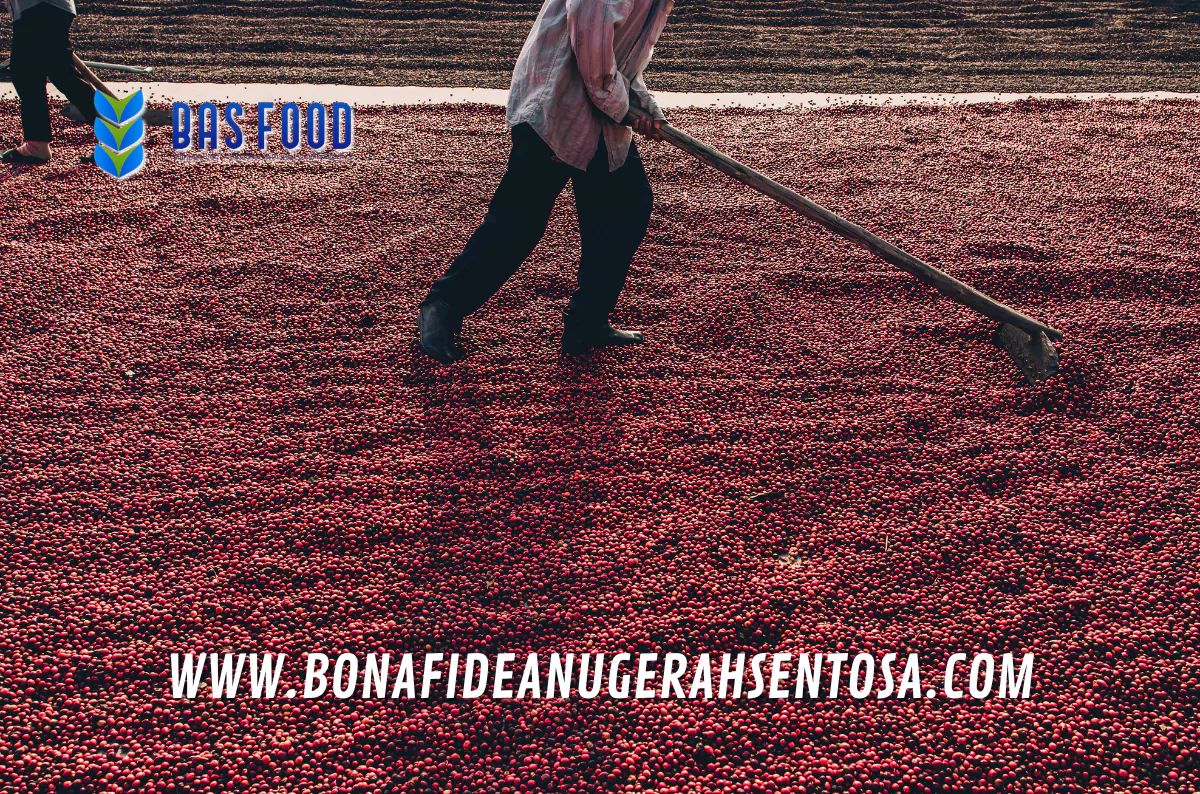
Why Indonesia Is a Goldmine for Green Coffee Importers
Indonesia has built a strong reputation in the global coffee trade. With over a dozen major coffee-growing regions—from Aceh Gayo and Mandailing in Sumatra to Toraja and Bajawa—each area produces unique flavor profiles due to microclimates, altitude, and processing techniques.
For importers, Indonesian green coffee offers:
- A wide range of Arabica and Robusta varieties
- Options for fully washed, natural, and honey processes
- Competitive pricing for high-quality beans
- Steady supply chain supported by local cooperatives and exporters
This diversity allows roasters to craft signature blends or offer single-origin batches with rich backstories. Plus, Indonesia’s government actively supports coffee exports, making international trade smoother than many realize.
Sourcing Your Coffee: How to Choose the Right Supplier
Your success depends heavily on choosing a reliable supplier. Not all exporters offer the same quality, consistency, or communication standards. You want someone who understands export logistics, speaks your language (literally and figuratively), and prioritizes transparency.
CV Bonafide Anugerah Sentosa (BAS) is a trusted supplier of green coffee from Indonesia. Based in Yogyakarta, BAS specializes in Arabica and Robusta beans sourced from Sumatra, Java, and Flores. They handle everything from sourcing to quality control, packing, and documentation. On top of that, they also export Indonesian spices, fishery products like tuna and octopus, and coconut derivatives like coconut sugar and coconut milk.
Look for these qualities in your coffee supplier:
- Traceability and cupping reports
- Export experience (especially for your destination country)
- Customization options (grade, packaging, labeling)
- Certifications (Organic, Rainforest Alliance, Fair Trade if needed)
Key Documents Required for Importing Green Coffee from Indonesia
Let’s break down the paperwork. While some requirements vary depending on your country, these are the typical documents involved in importing green coffee from Indonesia:
- Invoice & Packing List
These come from the exporter. They detail quantity, weight, price per kg, total amount, and packaging type. - Bill of Lading (B/L) or Air Waybill (AWB)
This is your shipping document, issued by the carrier. It confirms ownership and delivery terms. - Certificate of Origin (COO)
Issued by the Indonesian Chamber of Commerce. This proves the product’s origin for customs clearance and tariff calculation. - Phytosanitary Certificate
This certifies that the coffee is free from pests or diseases. It’s issued by Indonesia’s quarantine agency. - ICO Certificate (Optional)
If your country requires it (like in the EU), the International Coffee Organization certificate is also needed.
Some buyers also request:
- Quality inspection report (pre-shipment)
- Organic certificates (if applicable)
- Fumigation certificate (for certain regions)
Logistics 101: Shipping Green Coffee Internationally
Once your coffee is packed, it’s time to ship it. Green coffee is usually shipped in 60-kg jute or sisal bags, stacked into 20- or 40-foot containers. For smaller orders, LCL (less than container load) shipments are possible via shared containers or air freight, though air is significantly more expensive.
Indonesia has several major coffee-exporting ports:
- Belawan (Medan, North Sumatra)
- Tanjung Priok (Jakarta)
- Tanjung Perak (Surabaya, East Java)
- Semarang (Central Java)
Shipping timelines depend on the destination. For example:
- To the US: 28–35 days via ocean
- To Europe: 30–40 days
- To Australia: 14–21 days
Freight forwarders or customs brokers can help you manage bookings, load schedules, customs clearance, and even inland transportation in your country.
Tips:
- Always insure your shipment (coffee is valuable)
- Consider weather conditions (moisture can ruin green beans)
- Use moisture barriers or GrainPro bags for added protection
Customs and Import Regulations in Your Country
Every importing country has its own set of rules, but most require you to register as an importer, submit required documentation, and pay duties/taxes. Here’s what to generally expect:
United States (USDA & FDA)
- You must register your facility with the FDA
- File a Prior Notice before shipment arrival
- Comply with USDA import regulations
- Duty: Usually 0% for coffee beans but confirm under HS Code 0901
European Union (EU)
- Register as an EU food business operator
- Organic beans must meet EU organic standards
- Follow food safety regulations and labeling laws
Australia
- Must comply with biosecurity laws (DAFF)
- Require an import permit and possible inspection
- Use approved treatment for packaging
It’s essential to work closely with your customs broker or local trade authority to avoid fines, delays, or product rejection.
Managing Quality: Pre-Shipment Inspections and Sampling
Green coffee quality can vary—even within the same lot. That’s why experienced importers request samples and perform pre-shipment inspections. This step ensures the beans meet your expectations before they leave the warehouse.
Types of Inspections:
- Visual inspection (defects, uniformity)
- Moisture content test (ideally 10-12%)
- Cupping and flavor profile testing
- Packaging check (clean, labeled, protected)
You can assign a third-party inspection company (like SGS, Intertek, or Bureau Veritas) or ask your supplier (like CV Bonafide Anugerah Sentosa) to send lab reports and videos of the loading process.
By setting clear specifications from the start, you’ll reduce the risk of disputes and poor-quality beans arriving at your roastery.
Costs to Expect When Importing Green Coffee
Here’s a rough breakdown of the costs involved in importing green coffee from Indonesia:
- FOB Price: Cost of the coffee at port of departure
- Freight: Ocean or air shipping charges
- Insurance: Optional but highly recommended
- Import Duties and Taxes: Depends on your country
- Customs Clearance Fees: Charged by your broker or agent
- Inland Transportation: From destination port to your warehouse
Let’s say you’re importing a 20-foot container (about 19–21 tons) of green Robusta from Lampung. You might expect:
- FOB Price: $2.10–$2.40/kg*
- Ocean Freight to Europe: ~$2,500–$3,500*
- Import Tax (often zero for green coffee)*
- Inland Trucking (Europe): €500–€1,000 depending on distance*
Always request a full cost estimate before confirming your order. BAS, for example, can assist with a transparent quotation including FOB pricing and documentation.
Why Work with CV Bonafide Anugerah Sentosa
CV Bonafide Anugerah Sentosa is more than just a supplier. They are a logistics-savvy export partner. With experience exporting to Europe, the US, the Middle East, and Australia, they make the whole process of importing green coffee from Indonesia much smoother.
Here’s what BAS brings to the table:
- Multiple origins: Mandailing, Aceh, Java, Flores
- Custom processing: Grading, sorting, and cupping
- Full documentation: From COO to phytosanitary certificates
- Support for importers: Pre-shipment updates, clear photos/videos, flexible MOQs
- Multi-product supplier: Spices (clove, nutmeg, cinnamon), fishery (tuna, octopus), and coconut products (coconut sugar, coconut milk)
They’ve earned trust among international buyers for their communication, attention to detail, and consistency in product quality.
Final Thoughts: Importing Coffee Is a Journey, Not a Transaction
Importing green coffee from Indonesia isn’t complicated if you have the right information and a reliable supplier. While the logistics, paperwork, and regulations can seem intimidating at first, every step becomes easier with experience. And if you’re working with someone like CV Bonafide Anugerah Sentosa, that journey becomes even more manageable.
Remember to take your time with supplier selection, understand your local import requirements, and never skip quality checks. In the end, the reward is a warehouse filled with vibrant, flavorful beans that your customers will love—and that’s worth every ounce of effort. Contact CV Bonafide Anugerah Sentosa how we can provide the best solutions for you. WhatsApp: +62 8213 4505 737, Email: info@bonafideanugerahsentosa.com / bas.mdir@gmail.com.