
When coffee professionals talk about the best beans for their product line, the usual debate is always Robusta vs Arabica coffee. But if you’re sourcing from Indonesia—or eyeing premium beans that stand out globally—there’s a rising name you can’t ignore: Green Robusta Coffee Mandailing.
This isn’t your average Robusta. Coming from the highland regions of North Sumatra, Mandailing’s Robusta is gaining traction for its rich body, bold flavor, and adaptability. So how does it stack up against Arabica, the world’s darling bean?
In this article, we’ll explore both sides of the coin. We’ll look at taste, aroma, pricing, growing conditions, and market preferences to help you decide whether Green Robusta Coffee Mandailing or Arabica fits your brand’s needs. If you’re in the F&B industry, an exporter, or building your own coffee-based product line, this comparison will give you clarity—and maybe a few surprises.
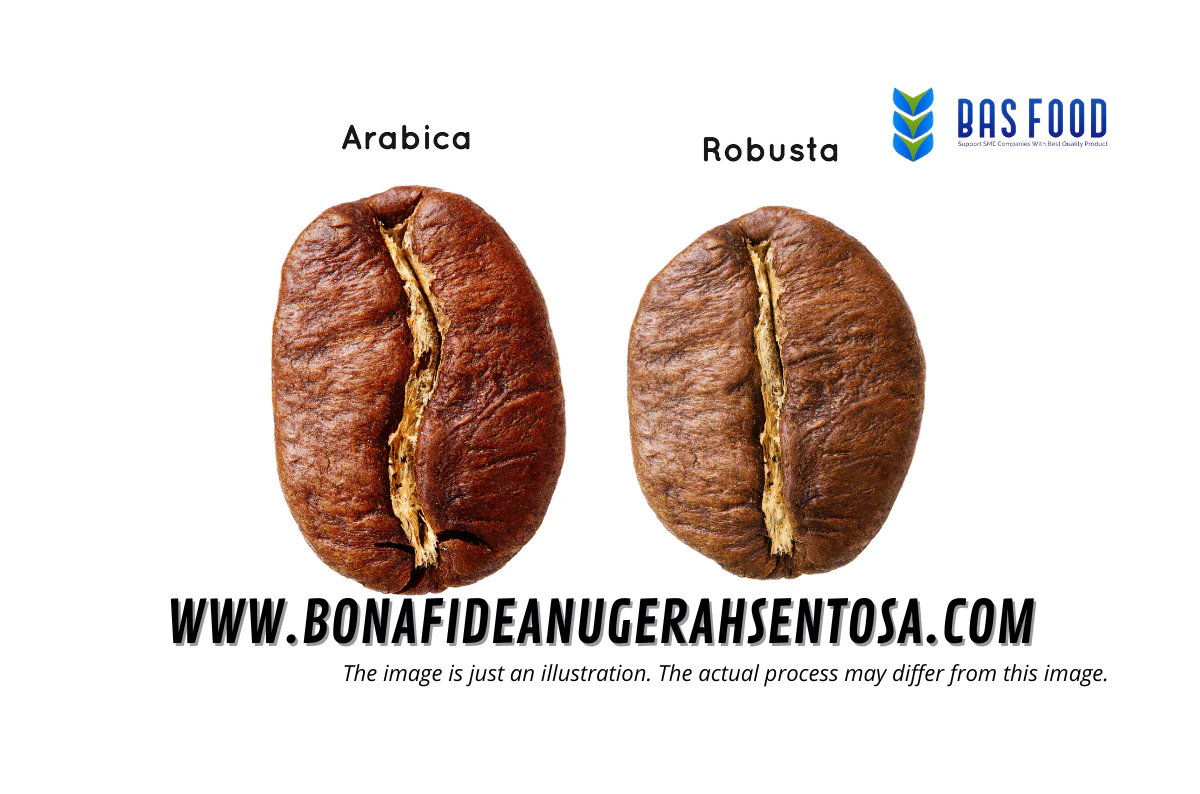
Understanding the Beans – What Makes Robusta and Arabica Different?
The Robusta vs Arabica coffee debate starts with their biological makeup. Arabica (Coffea arabica) is generally considered the higher-end bean. It grows best in cool, high-altitude climates and requires more care, which makes it more expensive. Its flavor profile is often described as smooth, sweet, and floral with balanced acidity.
On the flip side, Robusta (Coffea canephora) is hardier. It grows at lower altitudes and can handle hotter temperatures and more pests. This makes it easier and cheaper to grow. Robusta beans are known for their strong, earthy taste, higher bitterness, and higher caffeine content.
But here’s where it gets interesting—Green Robusta Coffee Mandailing breaks the usual stereotype. Thanks to its volcanic soil, high rainfall, and traditional post-harvest methods, this Robusta offers a cleaner, rounder taste that competes with mid-grade Arabicas. In blind cuppings, some even mistake it for Arabica!
Flavor Profiles – Smooth vs Strong, Who Wins?
Arabica is often praised for its complex flavor. Depending on the region, you can find Arabica beans with notes of chocolate, berries, citrus, and even wine. The acidity level is higher, which many coffee enthusiasts interpret as brightness or liveliness in the cup.
Robusta, on the other hand, delivers a punch. It’s bolder, darker, and more bitter. For brands targeting strong espresso lovers or functional energy products, Robusta might actually be the better choice. And again, Green Robusta Coffee Mandailing brings a twist—it’s bold without being overly bitter, thanks to its local terroir and meticulous handling.
This means if your product line includes cold brew, instant coffee, or ready-to-drink blends, Mandailing Robusta could give you a flavor backbone that stands up to milk, sugar, and processing. Meanwhile, if you’re selling single-origin specialty or light-roasted filter coffees, Arabica may still have the upper hand.
Price and Supply Chain – Let’s Talk Business
From a business perspective, price plays a huge role. Arabica is more expensive to cultivate, process, and export. The prices can fluctuate widely depending on global demand, weather issues in key producing countries, and logistical bottlenecks.
Robusta is cheaper and generally more stable in supply and pricing. That’s a huge plus for mass-market products and B2B buyers who need predictable costs. And since Green Robusta Coffee Mandailing is grown in Indonesia—a country with strong shipping infrastructure—it often reaches buyers in Asia, Europe, and the U.S. faster than African or South American beans.
If you’re buying in bulk, need consistent stock, or plan to create private-label products, choosing Robusta, especially from Mandailing, can help you stay competitive. Plus, if you work with a trusted Indonesian supplier like CV Bonafide Anugerah Sentosa, you can ensure quality without the middleman markup.
Product Fit – Matching Beans with Your Brand’s Vision
Not all coffee is made to be sipped in a quiet café. Some of it goes into canned drinks, protein bars, sauces, or even cosmetics. So, when choosing between Green Robusta Coffee Mandailing vs Arabica, think about what your product is and who it’s for.
- Premium cafés and boutique roasters? Arabica wins.
- Mass market coffee blends? Robusta is your friend.
- Espresso-based drinks? Consider Mandailing Robusta for crema and punch.
- Functional energy drinks or health brands? Robusta’s higher caffeine works well.
- Coffee scrubs and body care? Robusta offers better texture and is more cost-effective.
Green Robusta Coffee Mandailing gives you flexibility. You get the boldness of Robusta with less of the harshness. If your brand wants to blend quality with scalability, this could be your secret weapon.
Environmental and Ethical Impact – What’s the Greener Choice?
Here’s a topic more consumers care about: sustainability. Arabica is more delicate and needs more water, cooler temperatures, and pesticides to survive. As climate change intensifies, Arabica farms are struggling. In some places, they’re moving uphill—literally—just to find the right growing conditions.
Robusta, being hardier, requires fewer chemicals and less water. This makes it more sustainable in many regions. Green Robusta Coffee from Mandailing is often grown by smallholder farmers using traditional, eco-friendly methods. When you work with a responsible supplier like CV Bonafide Anugerah Sentosa, you also support local communities and traceable sourcing.
In the long run, choosing Robusta—especially Mandailing—might not only save costs but also boost your brand’s ethical image. It shows that you’re thinking beyond taste and profit.
The Verdict – Which Bean Should You Choose?
So, Green Robusta Coffee Mandailing vs Arabica, who wins?
The answer depends on your brand identity, product type, and target audience. If you’re after high-end specialty coffee with complex flavors, Arabica still holds the crown. But if you want bold flavor, high caffeine, consistent supply, and better margins—especially for large-scale production—Mandailing Robusta is more than up to the task.
And remember, this isn’t just about beans. It’s about relationships. A reliable supply partner can make or break your business. That’s why many buyers across the U.S., UK, and Asia trust CV Bonafide Anugerah Sentosa. As a top spices supplier, fishery supplier, and coconut supplier from Indonesia, they’ve built a reputation for quality, integrity, and customer-first service.
Final Thoughts: Why Not Both?
As the market evolves, many coffee producers and product developers are blending Robusta and Arabica to get the best of both worlds. If you’re looking to innovate or diversify, consider mixing Green Robusta Coffee Mandailing with select Arabicas. You might just create your next bestseller.
And when you’re ready to scale, talk to the experts. CV Bonafide Anugerah Sentosa isn’t just a supplier—they’re your partner in growth, helping you source Indonesia’s best from beans to the sea.
Contact CV Bonafide Anugerah Sentosa how we can provide the best solutions for you. WhatsApp: +62 8213 4505 737, Email: info@bonafideanugerahsentosa.com / bas.mdir@gmail.com.