
Coffee lovers, health enthusiasts, and curious minds often find themselves comparing two versions of the same bean: green coffee vs roasted coffee. While both come from the same source—the Coffea plant—their properties, benefits, taste, and even uses can be surprisingly different.
Whether you’re sipping your morning espresso or considering a green coffee supplement for weight loss, understanding the difference between green and roasted coffee can help you make better choices for your health and lifestyle. In this article, we’ll take a deep dive into these two coffee forms, compare their benefits, and even explore where you can get high-quality beans from reliable suppliers like CV Bonafide Anugerah Sentosa.
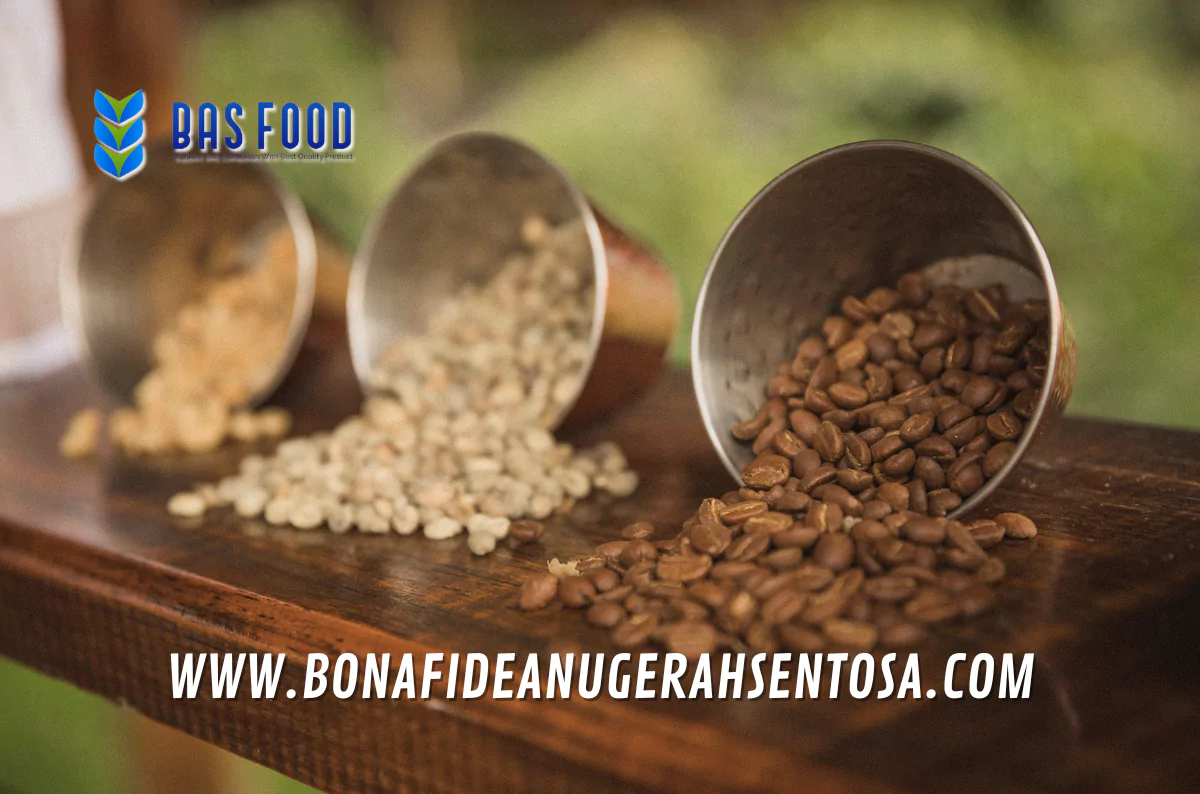
What Is Green Coffee and How Is It Made?
Before coffee beans are roasted to a rich brown color and brewed into your daily cup, they start as green coffee beans. These are simply raw, unroasted seeds of the Coffea fruit. When the coffee cherry is harvested, the beans inside are removed, washed, dried, and left in their natural green state.
Green coffee retains its natural chemical composition, including higher levels of chlorogenic acid—an antioxidant compound that’s believed to aid in fat metabolism, support blood sugar control, and offer anti-inflammatory effects. This is the main reason green coffee is often marketed as a health supplement.
So how is green coffee consumed? Some people brew it just like regular coffee, though the flavor is very different. Others take it in the form of capsules, extracts, or powders, especially for weight management.
Roasted Coffee: The Classic Brew You Know and Love
Now let’s talk about the world’s favorite pick-me-up—roasted coffee. These are green coffee beans that have been heated to high temperatures, which causes chemical changes that develop their aroma, flavor, and darker color. The roasting process brings out the familiar nutty, chocolatey, and even fruity notes that make coffee such a versatile drink.
Roasted coffee comes in a variety of profiles—light, medium, or dark roast—depending on how long and how hot the beans are roasted. This affects not just the flavor but also the caffeine content, acidity, and body of the brew.
Unlike green coffee, roasted coffee has less chlorogenic acid, but it’s still rich in antioxidants like melanoidins formed during the roasting process. These compounds are known for their anti-inflammatory and antimicrobial properties.
Health Benefits: Green Coffee vs Roasted Coffee
Let’s address the health elephant in the room. Many people ask, “Which is healthier: green coffee vs roasted coffee?” The answer depends on what you’re looking for.
Green coffee, because it’s unroasted, retains more chlorogenic acid, which is associated with benefits like:
- Reduced absorption of carbohydrates
- Improved fat metabolism
- Lower blood pressure
- Antioxidant protection
That’s why green coffee is a popular ingredient in natural weight loss supplements and detox drinks.
Roasted coffee, on the other hand, has its own advantages:
- Improves focus and mental alertness due to caffeine
- Enhances physical performance
- Provides antioxidants that may protect against neurodegenerative diseases like Parkinson’s and Alzheimer’s
So in the green coffee vs roasted coffee debate, both offer health perks—just in different ways.
Taste and Aroma: A Matter of Preference
If you’re choosing based on flavor, the decision between green coffee and roasted coffee is clear.
Green coffee has a mild, grassy, and slightly bitter flavor. Some compare it to green tea or herbal infusions. It lacks the richness and boldness we associate with roasted coffee. This makes green coffee less appealing for traditional coffee drinkers but perfect for those who prefer natural, low-caffeine alternatives.
Roasted coffee, thanks to the Maillard reaction during roasting, boasts complex flavor profiles. Think caramel, chocolate, fruit, spice, or even floral notes depending on the origin and roast level. The aroma is also a major part of the coffee-drinking experience—warm, comforting, and stimulating.
For connoisseurs, roasted coffee wins hands down in terms of taste and sensory pleasure.
Caffeine Content and Effects on Energy
One of the most asked questions in the green coffee vs roasted coffee conversation is about caffeine. Here’s how they compare:
- Green coffee contains less caffeine than roasted coffee per gram because it hasn’t been subjected to high-heat roasting that concentrates caffeine.
- However, extracted green coffee supplements might contain concentrated doses depending on formulation.
Roasted coffee generally offers more caffeine and thus has a stronger stimulant effect, making it ideal for improving alertness and fighting fatigue. But if you’re sensitive to caffeine or want a gentler energy boost, green coffee is a better option.
Environmental and Economic Considerations
Here’s something many overlook when comparing green coffee vs roasted coffee: sustainability and trade.
Green coffee is typically exported in bulk by producing countries like Indonesia, Brazil, or Ethiopia. Roasting often happens in importing countries like the US or EU. This division creates opportunities for developing nations to specialize in farming and initial processing.
However, some companies like CV Bonafide Anugerah Sentosa are changing the game by offering green coffee directly from the source, including beans like Robusta EK1, ELB, and AP, harvested in Indonesia. By controlling quality and supply chain transparency, they add more value to the origin.
As a trusted supplier of green coffee, spices, fishery, and coconut products, CV Bonafide Anugerah Sentosa contributes to sustainable sourcing and supports local farmers. This kind of supply chain responsibility matters to conscious consumers and businesses alike.
Which One Should You Choose?
There’s no definitive winner in the green coffee vs roasted coffee debate—it all depends on your goals.
Choose green coffee if you:
- Want to support weight loss naturally
- Prefer less caffeine
- Are looking for antioxidant support without the stimulating effects
Go for roasted coffee if you:
- Enjoy bold flavors and rich aromas
- Need a morning caffeine boost
- Love the ritual of brewing your daily cup
Some people even include both in their routines—using green coffee extract for health and roasted coffee for taste.
Where to Buy High-Quality Green or Roasted Coffee
If you’re in the market for bulk green coffee beans or even roasted varieties for your café, business, or product development, sourcing from a reliable partner is key.
CV Bonafide Anugerah Sentosa, based in Indonesia, is a leading supplier of green coffee, coconut products, spices, and seafood. With a strong commitment to quality control, sustainability, and customer service, the company serves international buyers across the globe.
Their offerings include:
- Green Beans Robusta Coffee (EK1, ELB, AP grades)
- Premium Indonesian spices like clove, nutmeg, and cinnamon
- Processed seafood like tuna and octopus
- Coconut derivatives such as coconut milk, nectar, and sugar
By working directly with farmers and maintaining ethical sourcing practices, CV Bonafide Anugerah Sentosa ensures high standards and competitive pricing for B2B clients.
Final Thoughts: The Future of Green Coffee vs Roasted Coffee
The world of coffee is evolving. Health-conscious consumers are driving demand for green coffee, while traditional drinkers still cherish their roasted brews. As scientific studies continue to explore the benefits of both, there’s room for both forms in our kitchens, cafés, and health regimens.
Ultimately, choosing between green coffee vs roasted coffee comes down to your personal needs, whether it’s health, taste, or energy. Fortunately, thanks to responsible suppliers like CV Bonafide Anugerah Sentosa, getting your hands on top-quality coffee—green or roasted—is easier than ever.
Contact CV Bonafide Anugerah Sentosa how we can provide the best solutions for you. WhatsApp: +62 8213 4505 737, Email: info@bonafideanugerahsentosa.com / bas.mdir@gmail.com.