
If you’ve ever wondered how your favorite espresso starts its journey, chances are it began with a green beans coffee exporter. These suppliers are the critical link between coffee farmers in producing countries and roasters around the world. With the rise of specialty coffee and growing consumer interest in origin and quality, the role of green coffee exporters has become more important than ever.
In this article, we’ll explore how green coffee exporters operate, what buyers should look for, and how to identify a trustworthy partner. We’ll also spotlight CV Bonafide Anugerah Sentosa, a leading green coffee exporter from Indonesia that’s also deeply involved in the global trade of spices, fishery products, and coconut derivatives. So, grab a cup and settle in.
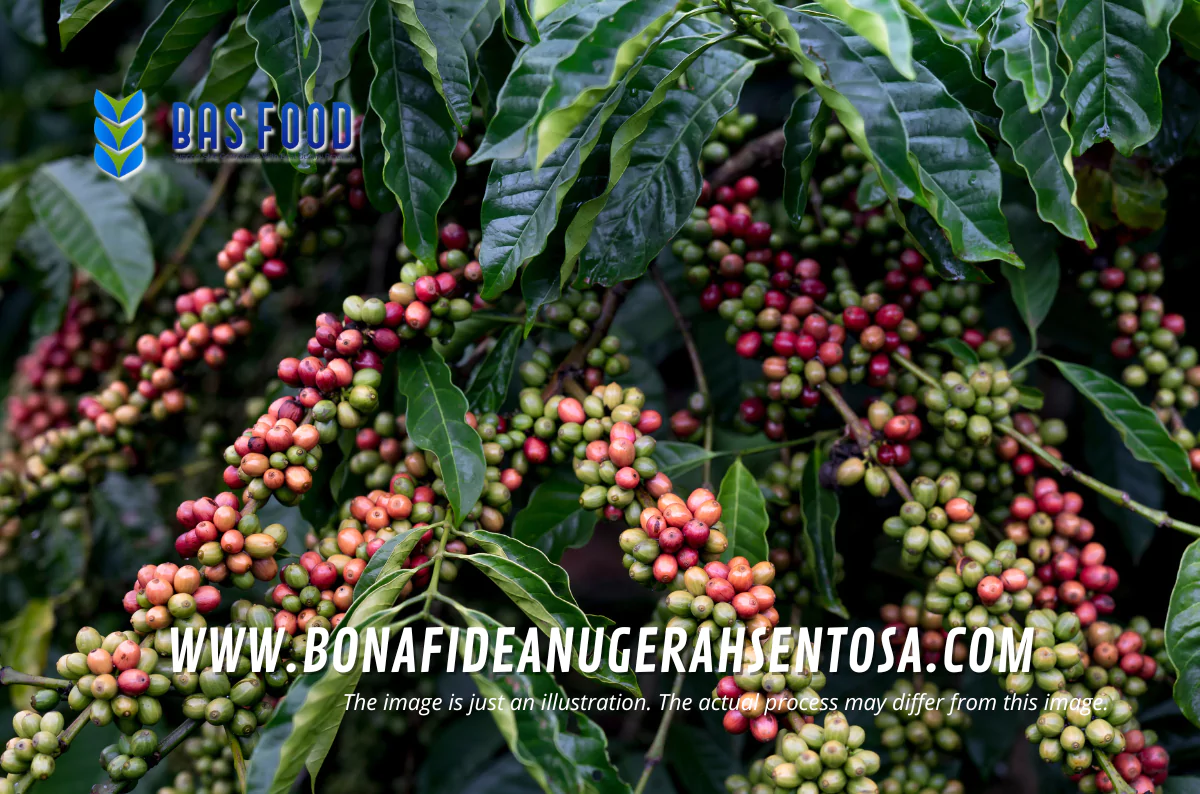
What Does a Green Beans Coffee Exporter Actually Do?
A green beans coffee exporter connects coffee farmers and cooperatives with international buyers. These exporters source, sort, process, and ship unroasted (green) coffee beans to roasting companies or importers across the globe. In many cases, they also provide value-added services like quality control, certification handling, and logistics management.
The exporter’s role is not just about logistics—it’s about building relationships with both sides of the supply chain. Farmers rely on them to access premium markets, while buyers trust them to deliver consistent quality and traceability. Exporters also play a role in stabilizing prices, especially in volatile commodity markets like coffee.
How the Green Coffee Export Chain Works
The export chain begins with harvesting. Coffee cherries are hand-picked, processed (either washed, natural, or honey), and dried at origin. Once dried and hulled, the beans are graded and sorted by size, shape, and defects.
At this stage, exporters step in. They purchase the raw beans, perform quality control, and prepare documentation for export. This includes certifications like Organic, Rainforest Alliance, or Fair Trade, which are often required by buyers in Europe or North America. Exporters also manage freight, customs clearance, and insurance to make sure the coffee reaches its destination safely and legally.
Some exporters go further by building long-term partnerships with farmers, offering training, financing, or even profit-sharing arrangements. These efforts can result in better quality and higher traceability—two things global buyers care deeply about.
How to Choose the Right Green Beans Coffee Exporter
With so many options in producing countries, how do buyers choose the right green beans coffee exporter? The answer comes down to a few core criteria:
- Quality and Consistency
You want a supplier that delivers consistent cup profiles. This means not just excellent beans, but also reliable processing, sorting, and packaging. Ask for samples, cupping scores, and references before committing. - Transparency and Traceability
Today’s roasters and brands want to know where their beans come from—right down to the farm. A good exporter should provide details on origin, processing methods, and certifications. - Export Experience and Infrastructure
Does the exporter understand international shipping laws? Do they have proper storage facilities? Can they deliver full containers (FCL) or handle smaller LCL shipments? Experience and logistics matter. - Fair Pricing and Ethics
Choose exporters that pay fair prices to farmers and operate transparently. This ensures long-term supply stability and ethical sourcing, which also helps your brand reputation.
Why Indonesia Is a Top Source for Green Coffee Beans
When we talk about coffee exports, countries like Brazil and Colombia often steal the spotlight. But Indonesia—with its volcanic soil, diverse microclimates, and centuries of coffee-growing tradition—remains a hidden gem for buyers looking for robust, earthy profiles and unique origins.
Robusta coffee from Lampung and South Sumatra is especially popular in blends, while Arabica varieties from Aceh Gayo, Flores, and Toraja are prized by specialty buyers. Indonesian green beans are also often used for cold brew or instant coffee manufacturing due to their strong body and chocolatey notes.
What’s more, Indonesian exporters are becoming more competitive, offering better quality control, certifications, and international logistics. That’s where companies like CV Bonafide Anugerah Sentosa come into play.
Meet CV Bonafide Anugerah Sentosa: Trusted Green Beans Coffee Exporter
When sourcing coffee from Indonesia, working with a reliable partner is essential. CV Bonafide Anugerah Sentosa (BAS) has built a solid reputation as a green beans coffee exporter that delivers on quality, ethics, and logistics.
With deep roots in the Indonesian supply chain, BAS sources Arabica and Robusta beans from trusted farmers and cooperatives. Their in-house team handles quality checks, grading, sorting, and packaging to ensure export-ready shipments every time.
But coffee is just the beginning. CV Bonafide Anugerah Sentosa is also a:
- Spices Supplier: Providing premium-grade cloves, nutmeg, vanilla beans, and black pepper to global buyers.
- Fishery Supplier: Exporting skipjack tuna, octopus, and other wild-caught products from Indonesia’s rich marine zones.
- Coconut Supplier: Offering coconut water concentrate, coconut cream, desiccated coconut, and more from their factory in Kulon Progo, Yogyakarta.
With experience exporting to the U.S., Europe, and Asia, BAS combines local sourcing power with international compliance expertise. They offer full documentation, including phytosanitary certificates, HS codes, and COAs. For buyers looking for a one-stop solution in natural food commodities, BAS is a name to remember.
Certifications and Quality Control in Green Coffee Exports
If you’re buying green coffee for an industrial or specialty application, certifications are key. A reputable green beans coffee exporter should be able to provide:
- Organic Certification
- Fair Trade Certification
- Rainforest Alliance
- USDA or EU Standards
- Halal Certificates (for some markets)
CV Bonafide Anugerah Sentosa works with certified farms and processing facilities, ensuring all paperwork is handled properly. They also provide third-party lab tests, moisture control (usually below 12%), and packaging that meets international fumigation and hygiene standards.
The result? Beans that arrive in top shape and pass customs with ease.
Packaging, Shipping, and Container Options
Packaging matters more than you might think. Green beans are sensitive to moisture and temperature, so exporters typically use jute bags with a plastic liner or GrainPro bags for extra protection.
Shipping can be done in:
- 20 ft or 40 ft containers (for large buyers)
- LCL shipments (for small roasters or trial orders)
- Air freight (for urgent needs)
CV Bonafide Anugerah Sentosa supports all these modes, depending on your volume and destination. They also help buyers navigate import regulations, taxes, and port logistics.
Common Mistakes Buyers Make When Importing Green Coffee
Even experienced roasters can slip up when buying from a green beans coffee exporter. Here are a few mistakes to avoid:
- Skipping the Sample and Cupping Step
Always ask for a sample. Cupping helps you evaluate flavor, defects, and freshness. Skipping this step can cost you in the long run. - Not Clarifying Moisture Content
Moisture above 12% can lead to mold or spoilage during shipping. Ask for a lab report or moisture meter reading. - Ignoring Local Harvest Schedules
Harvest times vary by region. If you order off-season, you risk getting older stock. Plan ahead with your supplier.
Future Trends in Green Coffee Exporting
The coffee trade is evolving fast. Traceability, blockchain, and AI-powered quality control are becoming common. Meanwhile, buyers are demanding lower carbon footprints and sustainable packaging.
CV Bonafide Anugerah Sentosa is keeping pace by investing in traceable sourcing models and eco-friendly practices. As sustainability becomes a top priority for global brands, exporters like BAS are well-positioned to meet the demand.
Conclusion: The Right Green Beans Coffee Exporter Can Make or Break Your Business
The world of green coffee export is complex, but also full of opportunity. Choosing the right green beans coffee exporter is crucial if you want to ensure consistent quality, ethical sourcing, and reliable delivery.
Whether you’re a specialty roaster in the UK, a beverage brand in the U.S., or an importer in Japan, your success depends on partners you can trust. And with its proven track record across coffee, spices, fisheries, and coconut products, CV Bonafide Anugerah Sentosa stands out as one of Indonesia’s most versatile and dependable exporters.
Contact CV Bonafide Anugerah Sentosa how we can provide the best solutions for you. WhatsApp: +62 8213 4505 737, Email: info@bonafideanugerahsentosa.com / bas.mdir@gmail.com.