
Every international buyer understands that quality is the backbone of the cocoa trade. Yet many importers are still surprised at how detailed bold cocoa powder testing can be. Global buyers rely on scientific evaluation, controlled lab procedures, and standardized methods to confirm that a shipment meets food safety rules and production requirements. Without proper testing, a container of cocoa powder can easily fail regulatory checks or disrupt your product formulation.
Cocoa powder differs widely in color, aroma, pH level, fat content, and microbial cleanliness. These variations can significantly affect beverages, chocolate drinks, ice cream mixes, and bakery formulations. That’s why international buyers use precise laboratory techniques to ensure that every bag of cocoa powder aligns with their expectations. Testing goes beyond basic visual checks. Instead, buyers rely on bold moisture analysis, bold fat analysis, and other bold lab tests to verify quality at both origin and destination.
CV Bonafide Anugerah Sentosa, a trusted producer and supplier of cocoa, spices, fishery products, and coconut-based ingredients from Indonesia, works with importers worldwide who conduct strict evaluations. Their export team provides lab reports, batch samples, and consistent specifications to help importers maintain quality control.
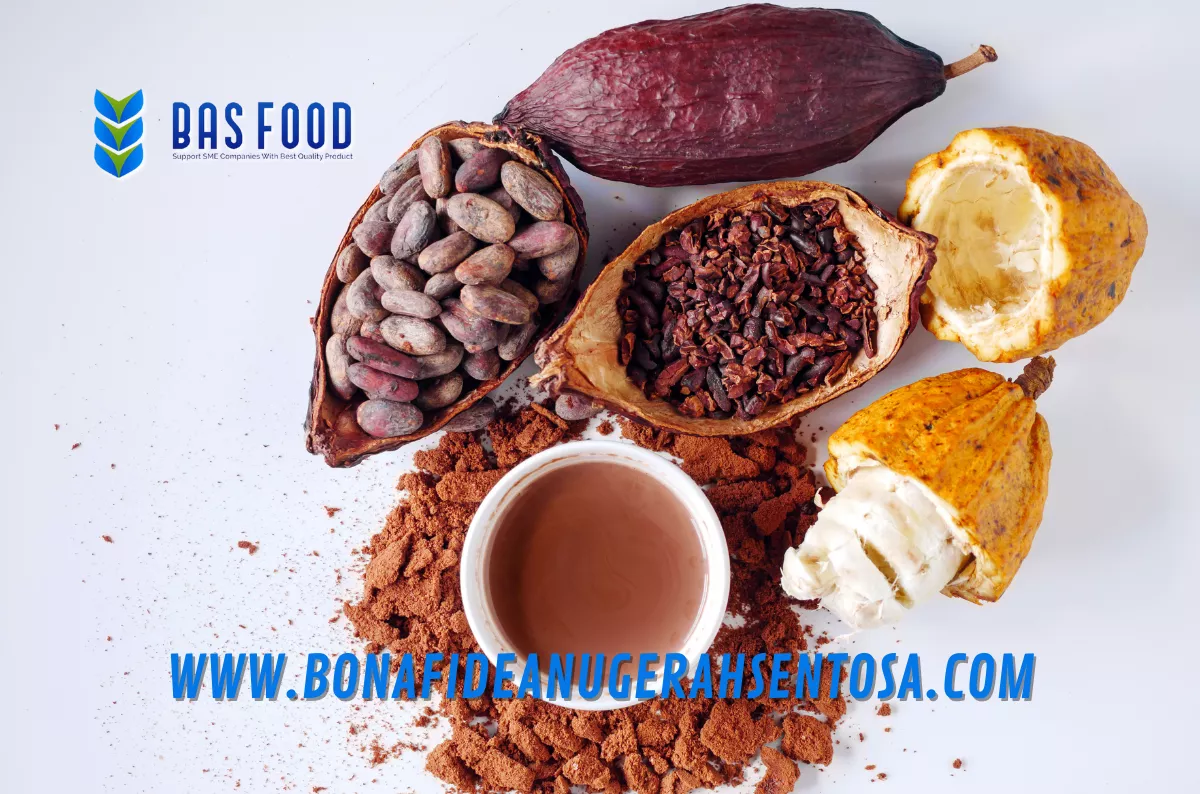
What International Buyers Look for in Cocoa Powder
Before diving into the technical side, it helps to understand what buyers examine during cocoa powder testing. Businesses purchasing cocoa powder at scale expect uniformity. They want consistent color, reliable fat levels, low moisture content, and stable pH. These specifications determine how well cocoa behaves in mixing tanks, baking systems, beverage machines, and large-scale food processing.
For example, if a company manufactures cocoa-flavored milk drink powder, they need a type of cocoa that dissolves easily and maintains flavor even when exposed to heat or dairy ingredients. Conversely, chocolate factories may require cocoa powder with a higher fat percentage to create richer products. By conducting standardized laboratory checks, importers avoid the risk of receiving unsuitable cocoa powder that may affect product quality or cause costly reformulations.
In addition, international buyers also check for contamination, heavy metals, and microbial activity. These factors directly influence food safety compliance. Many importing countries—such as those in Europe, the USA, Saudi Arabia, and East Asia—have strict border requirements. Testing ensures that cocoa powder aligns with international food standards before shipment leaves the supplier’s facility.
Moisture Analysis and Why It Matters
One of the first lab tests importers conduct is bold moisture analysis. Cocoa powder must stay within a strict moisture range, typically around 3–5 percent. If moisture levels rise above acceptable limits, the powder becomes prone to mold growth, microbial contamination, and reduced shelf life.
Moisture also affects weight and pricing. Excess moisture increases total shipment weight without adding value. This makes accurate moisture analysis critical for transparent trade. Most global buyers use oven-drying methods or moisture analyzers that give fast and precise results. Suppliers are expected to run the same tests during production to ensure alignment with buyer specifications.
Furthermore, moisture levels influence how cocoa behaves in different climates. Importers in humid regions like Southeast Asia or West Africa must store cocoa powder carefully. Meanwhile, buyers in colder regions often place stricter moisture limits because powder tends to clump in dry environments. By verifying moisture levels from the start, both buyers and suppliers maintain consistent product integrity.
Fat Analysis and Its Role in Product Performance
Fat content is one of the most important parameters in cocoa powder testing, especially for industrial buyers. Most cocoa powders fall into two categories: low-fat (10–12 percent) and high-fat (16–24 percent). The right fat level affects texture, mouthfeel, solubility, and flavor richness. Without precise bold fat analysis, manufacturers cannot guarantee consistent results in their finished products.
Fat is measured using solvent extraction or Soxhlet analysis. These methods ensure accurate percentage readings by separating fat from the cocoa solids. Large-scale food processors rely heavily on these numbers. For example, bakeries often prefer high-fat cocoa for richer taste and improved structure. Meanwhile, beverage manufacturers typically use lower-fat cocoa for better solubility and cost efficiency.
Because fat content has direct price implications, fat analysis also protects buyers from fraud or mislabeling. A supplier claiming a 20 percent fat cocoa powder must provide lab data to prove it. If importers skip this step, they risk receiving powder that performs poorly or requires reformulation. Reliable fat testing strengthens trust between exporters and international clients.
pH Testing and Alkalization Verification
Cocoa powder comes in two major forms: natural and alkalized (often referred to as Dutch-processed). pH testing verifies which type a buyer receives. Natural cocoa powder usually has a pH around 5–6, while alkalized cocoa may reach pH 7–8 depending on the process.
pH affects flavor, color, aroma, and solubility. A slight shift in pH can completely change how cocoa interacts with leavening agents or dairy ingredients. That’s why international buyers always include pH evaluation in their cocoa powder testing procedures. They use pH meters or solution-based measurement methods to assess alkalization levels.
Alkalization also influences color. Light brown cocoa indicates mild alkalization, while dark brown or reddish cocoa suggests a more intense process. Buyers compare pH readings with visual inspection and sample consistency checks. This ensures the supplier delivers exactly what was ordered.
Colorimetry and Visual Consistency Testing
Color is a crucial indicator of cocoa powder quality. International buyers use colorimeters and Munsell charts to test color intensity. This step ensures that each batch maintains a consistent appearance when used in beverages, confectionery items, or bakery mixes. Inconsistent color suggests poor roasting, uneven alkalization, or impurities.
Buyers also visually inspect powder granulation. Although high-tech machines provide accurate data, trained professionals can still notice subtleties like clumping, unusual shades, or off-odor. These observations complement laboratory color testing and help identify batch irregularities early.
Color testing also helps maintain brand consistency. Large manufacturers producing chocolate drink powder or instant cocoa beverages often require a specific color shade. Any deviation affects product appearance on supermarket shelves or in consumer cups. That’s why colorimetry remains one of the essential lab tests performed by cocoa importers.
Microbial Testing for Food Safety
Microbial stability is a non-negotiable requirement for any food ingredient meant for global distribution. Buyers conduct microbial tests to identify yeast, mold, coliforms, and pathogens like Salmonella. Cocoa powder is naturally low in moisture, so it usually remains microbially safe. However, contamination during processing or packaging can still occur.
Importing countries often set strict microbial limits. For instance, the European Union and USA require cocoa powder to be free from Salmonella. Batch testing ensures compliance, protects consumer safety, and prevents containers from being rejected at customs. Because food safety remains a top priority, cocoa suppliers must maintain hygienic production environments and strong quality control systems.
CV Bonafide Anugerah Sentosa regularly provides microbial analysis reports to international buyers. Their factory partners follow global safety standards and implement preventive controls to keep cocoa powder contamination-free. For buyers in sensitive markets, documentation like HACCP, ISO, and food safety certifications strengthens confidence in the product.
Heavy Metal Screening and International Compliance
Global buyers often require heavy metal tests because cocoa powder can naturally accumulate trace minerals from soil. Tests typically screen for cadmium, lead, mercury, and arsenic. The European Union enforces particularly strict cadmium limits for cocoa-based products. Without proper evaluation, shipments may fail border inspections.
Heavy metal screening uses advanced equipment such as AAS (Atomic Absorption Spectroscopy) or ICP-MS (Inductively Coupled Plasma Mass Spectrometry). These tests provide precise measurements and ensure that cocoa powder meets regulatory thresholds for human consumption. Importers routinely request such analysis for high-volume shipments destined for regulated markets.
Manufacturers must also provide traceability documents to support heavy metal evaluations. Soil origin, bean variety, and agricultural practices influence mineral content. Responsible suppliers monitor these factors through crop-level data and regular laboratory checks.
Sensory Testing and Product Application Trials
Beyond technical lab tests, importers also rely on sensory evaluation. This includes checking aroma, flavor, mouthfeel, and reactivity during cooking or mixing. Sensory testing allows buyers to understand how cocoa powder behaves in real product environments.
For example, beverage manufacturers may mix cocoa powder with milk or hot water to observe dissolution quality. Bakeries may integrate it into dough or batter to test color and texture. Sensory analysis complements scientific testing and gives a complete picture of product performance.
Many buyers also conduct comparative tests using multiple suppliers. This helps them choose the most consistent cocoa powder for their production line. Sensory evaluation remains a practical and insightful approach that supports data provided by laboratory testing.
Why International Buyers Demand Certified Testing
Global importers need scientific evidence, not assumptions. That’s why certification-backed testing remains the standard. Laboratory reports from ISO-certified facilities ensure that results are accurate and reliable. In many cases, importing authorities request supporting documentation during customs clearance.
Buyers who rely on certified testing enjoy several advantages: fewer product recalls, smoother customs inspections, and stronger brand credibility. Certified test results also help importers verify long-term supplier reliability. By comparing batch-to-batch test reports, they can identify trends, improvements, or inconsistencies.
CV Bonafide Anugerah Sentosa supports buyers by providing COA (Certificate of Analysis), batch samples, and regular testing data. Their commitment to transparency makes them a preferred partner for cocoa powder importers worldwide.
How Suppliers and Buyers Work Together During Testing
Testing isn’t a one-sided process. Suppliers and buyers must communicate clearly about expectations. Buyers typically send detailed specifications such as fat percentage, moisture limit, alkalization level, and microbial thresholds. Suppliers then use internal laboratories to adjust production parameters accordingly.
Once a batch is produced, suppliers send samples to buyers for verification. Buyers may retest the sample in independent laboratories. If both results align, the final production batch is approved for shipping. This collaborative testing process ensures consistency and reduces disputes.
Suppliers who maintain open communication build stronger relationships with importers. CV Bonafide Anugerah Sentosa follows this model, offering test reports, technical support, and clear documentation to streamline purchasing decisions.
Conclusion: Mastering Cocoa Powder Testing Protects Your Supply Chain
Understanding bold cocoa powder testing gives importers an advantage. Each test—from bold moisture analysis and bold fat analysis to advanced bold lab tests—helps verify quality, safety, and consistency before shipments move across borders. When buyers apply structured testing methods, they protect their product integrity and ensure smooth manufacturing.
By working with a reliable exporter like CV Bonafide Anugerah Sentosa, importers gain access to consistent cocoa quality, third-party lab reports, and strong supplier collaboration. In a global market where precision matters, mastering testing fundamentals is the key to smarter purchasing and long-term success.
Contact CV Bonafide Anugerah Sentosa how we can provide the best solutions for you. WhatsApp: +62 8213 4505 737, Email: info@bonafideanugerahsentosa.com / bas.mdir@gmail.com.