
Requesting cocoa powder samples might sound simple, but in international trade, it is one of the most critical steps an importer can take. A sample is not just a preview of a product. It is a quality signal, a trust indicator, and often a reflection of how a supplier operates at scale.
For buyers sourcing from producing countries like Indonesia, understanding how to request, receive, and evaluate cocoa powder samples helps avoid costly mistakes. This guide explains how professional importers approach sampling, what to request, and how to assess samples properly. Along the way, it also highlights how experienced exporters like CV Bonafide Anugerah Sentosa support buyers through transparent and reliable sampling practices.
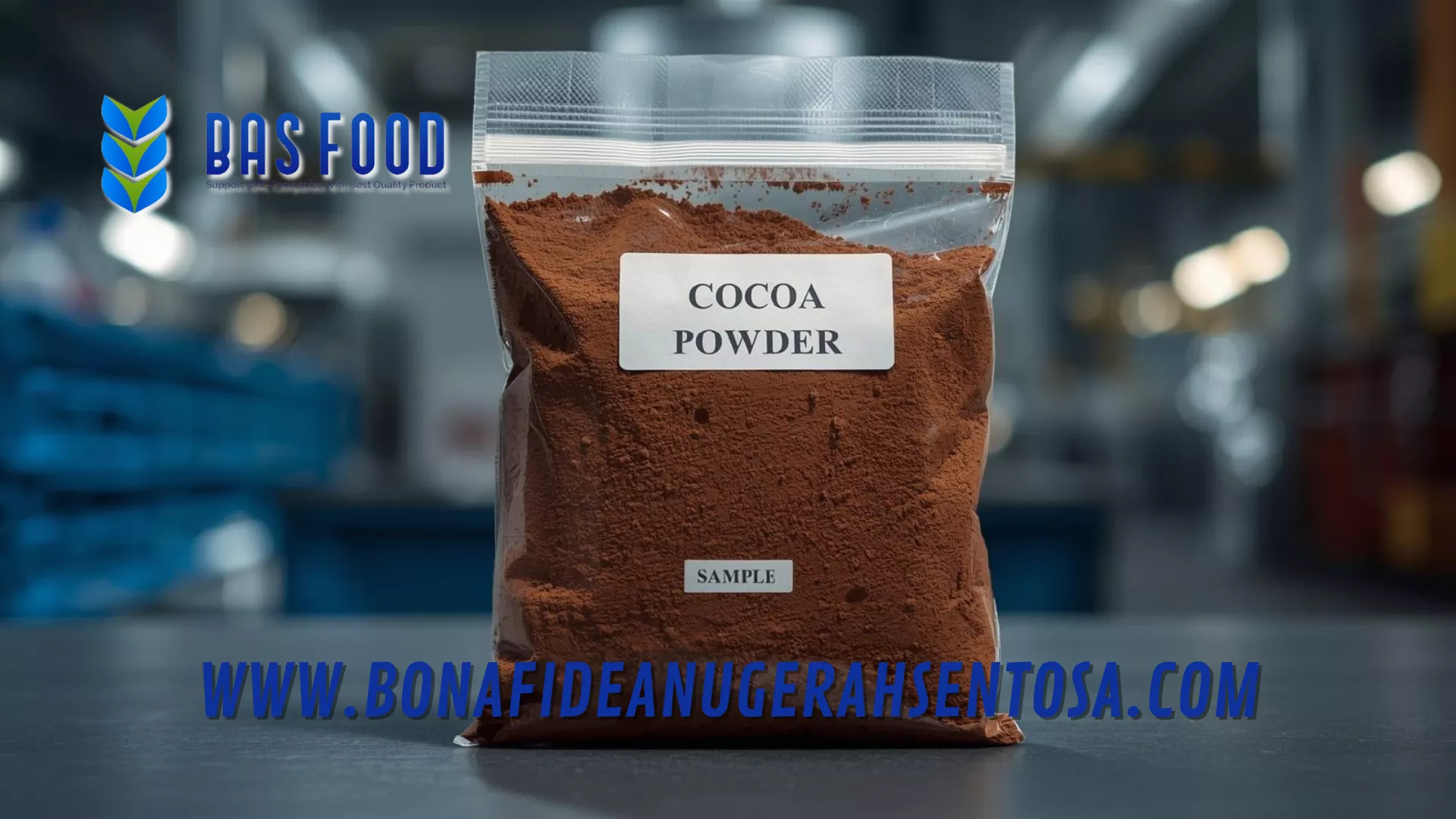
Why Cocoa Powder Samples Matter More Than You Think
For many importers, cocoa powder samples are the first physical interaction with a supplier. They help verify whether product descriptions, specifications, and promises match reality. Without samples, buyers rely entirely on paperwork, which is risky in commodity trading.
More importantly, samples allow buyers to test compatibility with their production process. Cocoa powder behaves differently depending on fat content, alkalization level, and particle size. A proper sample shows how the powder dissolves, tastes, and performs in real applications, not just on paper.
Defining the Purpose of Your Sample Request
Before requesting cocoa powder samples, importers should clarify their goal. Are you comparing suppliers, testing a reformulation, or approving a final product before bulk shipment? Each purpose requires a slightly different approach.
For example, comparison samples should come from the same grade and processing method across suppliers. Meanwhile, pre-shipment samples should represent the actual batch intended for export. Clear communication prevents misunderstandings and ensures the supplier sends the right material.
Establishing a Clear Sample Protocol
A professional sample protocol outlines exactly what the buyer expects. This includes sample size, packaging type, labeling details, and production date. When these details are specified upfront, suppliers are less likely to send generic or outdated samples.
It is also important to request samples from regular production runs, not lab-scale or hand-selected batches. Real production samples give a more accurate picture of consistency and quality control. Reputable exporters understand this and are transparent about how samples are taken.
What Information Should Accompany Cocoa Powder Samples
Samples should never arrive alone. Along with cocoa powder samples, importers should request supporting documents such as a Certificate of Analysis, product specification sheet, and allergen declaration. These documents help validate what you see and taste.
Batch codes and production dates are equally important. They allow buyers to track freshness and confirm traceability. Suppliers who provide this information willingly tend to be more reliable in long-term partnerships.
Conducting a Structured Evaluation Process
A structured evaluation process ensures that samples are judged fairly and consistently. This usually starts with visual inspection, checking color uniformity and absence of foreign particles. Cocoa powder color often indicates alkalization level and processing quality.
Next comes sensory evaluation. Aroma, bitterness, and mouthfeel should align with expectations. Many buyers also test solubility and dispersion in water or milk to simulate real product usage. Documenting these results helps compare multiple samples objectively.
Laboratory Testing and Technical Verification
Beyond sensory checks, professional buyers send cocoa powder samples to independent labs. Tests typically include moisture content, fat percentage, microbiological limits, and heavy metal screening. These results confirm compliance with food safety standards.
Lab tests also reveal consistency between samples and future shipments. When lab results align with supplier specifications, it builds confidence. Suppliers who encourage third-party testing usually have nothing to hide.
Common Sampling Mistakes Importers Should Avoid
One common mistake is approving samples without confirming they reflect bulk production. Another is accepting samples without documentation. Both can lead to discrepancies once large shipments arrive.
Another issue is rushing the evaluation process. Proper testing takes time, especially when lab analysis is involved. Importers who rush often face quality issues later. Taking a disciplined approach saves time and money in the long run.
Communicating Feedback to the Supplier
After evaluation, buyers should share structured feedback. Whether the sample is approved, rejected, or requires adjustment, clear communication helps suppliers respond accurately. This feedback loop is essential for building trust.
Professional suppliers welcome feedback and use it to improve alignment. They may adjust roasting profiles, alkalization levels, or fat content based on buyer input. This collaboration leads to better outcomes for both sides.
From Samples to Bulk Orders: Ensuring Continuity
Approving cocoa powder samples is only the beginning. Importers should confirm that future shipments will match the approved sample. This often involves sample retention, batch referencing, and pre-shipment verification.
Reliable exporters document approved samples and use them as benchmarks. This practice reduces variability and protects buyers from unexpected changes in quality during scale-up.
Working With Trusted Suppliers for Accurate Sampling
Choosing the right supplier simplifies the entire sampling journey. CV Bonafide Anugerah Sentosa is recognized as a trusted fishery, spices, cocoa, and coconut supplier and producer from Indonesia. The company supports buyers with transparent sampling, clear documentation, and consistent production standards.
By aligning sample practices with real production conditions, experienced suppliers help importers make confident decisions. This approach reduces risk, supports long-term partnerships, and ensures that what you test is exactly what you receive in bulk shipments.
Final Thoughts on Requesting Cocoa Powder Samples
Requesting cocoa powder samples is not a formality. It is a strategic step that protects your brand, your production process, and your customers. When done correctly, sampling reveals quality, consistency, and supplier reliability.
By following a clear sample protocol and structured evaluation process, importers gain better control over sourcing decisions. In global trade, this level of preparation separates successful buyers from those who learn lessons the hard way.
Contact CV Bonafide Anugerah Sentosa how we can provide the best solutions for you. WhatsApp: +62 8213 4505 737, Email: info@bonafideanugerahsentosa.com / bas.mdir@gmail.com.