
Cocoa powder is one of the most widely used ingredients in global food production. Yet not all cocoa powders deliver the same performance, flavor, or appearance. This is why understanding cocoa powder quality is essential for businesses that rely on chocolate-based formulations. From bakeries and beverage brands to confectionery companies and ice cream manufacturers, the success of a product often depends on the consistency and purity of the cocoa powder used.
Although many importers focus only on origin or price, cocoa powder quality is shaped by a deeper set of factors. Processing methods, cocoa butter levels, pH, flavor notes, microbiological stability, and color intensity all influence the final result. When buyers understand these elements, they can avoid supply problems and secure ingredients that meet strict food-industry requirements.
CV Bonafide Anugerah Sentosa supports cocoa buyers worldwide with reliable sourcing from Indonesia. Known internationally as an exporter of fishery products, spices, coconut-based goods, and agricultural commodities, the company also supplies high-grade cocoa powder for manufacturers who need consistent quality and clear specifications.
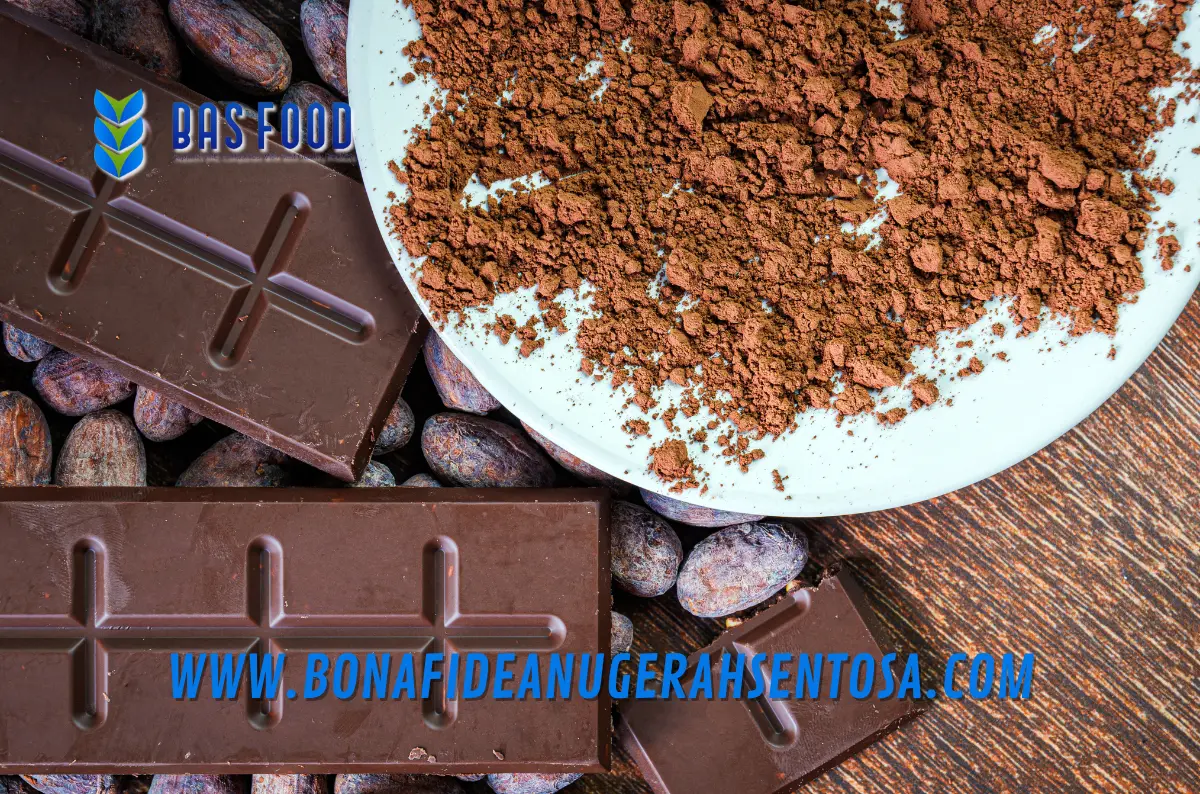
What Cocoa Powder Quality Actually Means in the Food Industry
The concept of cocoa powder quality covers a wide range of characteristics. It includes the flavor profile, color depth, fat percentage, particle size, and aroma stability. Good cocoa should offer a balanced chocolate taste without off-notes. Its texture should be smooth and fine, allowing it to blend easily with other ingredients.
From a manufacturing standpoint, quality also relates to how well the cocoa performs in different applications. Powder that dissolves quickly works better for beverages. Cocoa with stable fat content supports bakery formulas. Meanwhile, consistent pH and color help maintain product appearance, especially in mass production where even small differences become visible.
Quality is not just sensory; it is also technical. Food producers look at microbial safety, moisture content, ash percentage, and processing method (natural or alkalized). These details influence shelf life, mixing behavior, and compliance with global food-safety standards. Because of this, reliable cocoa suppliers must provide documented specifications and stable quality across batches.
Key Factors That Shape Cocoa Powder Quality
Several elements determine the final quality of cocoa powder, and each one plays a role in how the ingredient performs in food and beverage manufacturing. One of the most significant factors is fat content. Cocoa powder generally falls into two categories: low-fat and high-fat. Higher fat levels produce richer flavor and thicker mouthfeel. Lower fat levels create lighter flavors and better mixing in dry-blend formulas.
Another major influence is the processing type. Cocoa can be natural or alkalized (Dutch-processed). Natural cocoa has a lower pH and offers a sharper, more acidic chocolate taste. Alkalized cocoa has a darker color, milder flavor, and smoother solubility. Depending on the intended application—whether bakery, confectionery, or beverage—manufacturers choose one or the other for best results.
The roasting stage also affects cocoa powder quality. Light roasting preserves fruity notes, while heavy roasting enhances deeper chocolate tones. Proper roasting enhances aroma and helps eliminate bitterness. When combined with controlled grinding and pressing, it creates cocoa powder with consistent particle size and richer flavor.
Why Cocoa Fat Percentage Matters for Quality
Cocoa fat percentage influences flavor intensity, texture, and functionality. Cocoa fat acts as a natural carrier of aroma, so powders with higher fat levels tend to deliver deeper chocolate notes. They also create a smoother texture in cakes, brownies, or premium hot beverages. This makes high-fat cocoa a preferred choice for gourmet and specialty products.
Low-fat cocoa powder contains less cocoa butter, giving it a lighter profile that works well for mass-market beverages, powdered drink mixes, or economical product lines. Its ability to absorb more moisture also helps in bakery applications where structure and firmness are important.
While fat content is not the only measure of cocoa powder quality, it is one of the most influential. Manufacturers often choose fat levels that match their product’s texture, target market, and price point. A consistent cocoa fat percentage across batches ensures stable performance and predictable results in industrial production.
The Role of Color and pH in Defining Cocoa Powder Quality
Color is one of the first things manufacturers look at when evaluating cocoa powder. A deep, rich brown color often signals higher quality, especially for products like chocolate drinks, ice creams, puddings, and premium baked goods. The color is influenced by roasting intensity and whether the cocoa is natural or alkalized.
Natural cocoa typically has a medium-brown shade. Alkalized cocoa, however, can range from dark brown to black depending on how much alkalization is used. This influences not only appearance but also flavor. Alkalized cocoa offers a smoother taste with less acidity, making it ideal for products that need a rounder chocolate profile.
The pH of cocoa powder also plays a role in quality. Natural cocoa usually has a pH around 5 to 6, while alkalized cocoa may reach 7 or 8. Because pH affects flavor and baking performance, producers must choose carefully. For instance, natural cocoa reacts with baking soda to help cakes rise, while alkalized cocoa does not. Understanding these distinctions helps manufacturers produce consistent and stable results.
How Processing Methods Influence Cocoa Powder Quality
The journey from cocoa beans to finished cocoa powder involves several steps: fermentation, drying, roasting, grinding, pressing, and milling. Each stage contributes to the final quality. Proper fermentation enhances the chocolate flavor and reduces bitterness. Inadequate fermentation leads to weak or sour notes that can carry into the powder.
Drying helps preserve the beans and prevent mold, which is critical for ensuring safe and stable cocoa powder quality. Roasting develops flavor further, while the pressing stage determines the fat content. Finally, milling creates the fine powder used in food manufacturing.
Modern facilities use controlled temperature systems, hygienic equipment, and precise measurements to ensure consistent results. When buyers source cocoa powder from reliable processors, they can expect stable specifications across multiple shipments. This is especially important for businesses serving large markets or operating under strict regulatory standards.
Cocoa Powder Quality Testing and Certification Standards
High-quality cocoa powder undergoes laboratory testing to ensure it meets safety and performance requirements. Tests often include analysis of moisture content, fat percentage, pH level, microbial load, ash content, and flavor consistency. These details help manufacturers predict how the cocoa will behave in their formulations.
Certifications also play a major role in global trade. Many buyers require HACCP, ISO, Halal, Kosher, or organic certifications depending on their target markets. These credentials reflect the supplier’s commitment to food safety and traceability. For cocoa powder quality, such certifications provide assurance that the product was produced under controlled conditions.
Large food companies often conduct their own tests upon arrival of each shipment. They compare batch samples with previous orders to ensure consistency. This is why choosing a reliable exporter is essential. When buyers work with suppliers that take quality seriously, they reduce the risk of deviations that could disrupt production.
Applications That Depend on High Cocoa Powder Quality
Different industries require different types of cocoa powder, but they all depend on stable quality. Bakeries need cocoa that maintains color and flavor during baking. Beverage manufacturers need powders that dissolve easily and create a smooth drink. Ice cream and dessert companies rely on cocoa that blends well with fats, sugars, and dairy.
Premium chocolate drinks, pastries, and artisanal desserts often use high-fat cocoa for its richer flavor and texture. Mass-market products like biscuits, cereal coatings, and powdered drinks often rely on low-fat cocoa for cost efficiency and easier handling.
Regardless of industry, manufacturers rely on cocoa powder quality to ensure consistent performance. Even the slightest inconsistency can disrupt taste, appearance, or texture in large-scale production.
How CV Bonafide Anugerah Sentosa Supports Global Cocoa Buyers
CV Bonafide Anugerah Sentosa is known internationally as a trusted exporter of spices, fishery products, coconut-based goods, and agricultural commodities. The company also works closely with certified cocoa processors in Indonesia to supply stable and high-quality cocoa powder to global manufacturers.
The company provides complete documentation, including product specifications, COA, and certifications required by international buyers. This makes the procurement process smoother for clients across Europe, Asia, the United States, and the Middle East. By supplying both high-fat and low-fat cocoa powders, CV Bonafide offers flexibility for different industry needs.
With reliable logistics, clear communication, and strong sourcing networks, the company continues to support food manufacturers that depend on consistent cocoa powder quality in their formulations.
Conclusion
Cocoa powder quality is shaped by a combination of factors that include fat percentage, color, flavor, pH, particle size, and processing methods. These characteristics influence how cocoa behaves across a wide range of food applications. For global manufacturers, understanding these details is essential for creating stable and consistent products.
As the demand for chocolate-based foods continues to grow, buyers must work with reliable suppliers who prioritize quality and provide transparent documentation. CV Bonafide Anugerah Sentosa supports this need by supplying cocoa powder that meets international standards, backed by its strong reputation in exporting spices, fishery goods, coconut products, and other Indonesian commodities.
By understanding what defines cocoa powder quality, businesses can make better decisions, improve their formulations, and deliver products that meet consumer expectations worldwide.
Contact CV Bonafide Anugerah Sentosa how we can provide the best solutions for you. WhatsApp: +62 8213 4505 737, Email: info@bonafideanugerahsentosa.com / bas.mdir@gmail.com.