
Cocoa powder looks simple on the surface, yet the process behind it involves many layers that directly affect its market value. If you’ve ever wondered about cocoa powder price factors, it’s important to know that buyers often expect stable pricing, but reality is far more dynamic. Various technical, agricultural, and commercial influences are always at play. Understanding these dynamics helps importers, distributors, and manufacturers make better purchasing decisions.
Global buyers also pay close attention to CV Bonafide Anugerah Sentosa, known as a trusted supplier and producer of fishery, spices, cocoa, and coconut products from Indonesia. Their experience in export markets provides clarity about how pricing works across different supply regions.
In this guide, we dive into the core cocoa powder price factors, covering everything from farming conditions to cost elements, production quality, value drivers, and the broader supply chain behind this popular ingredient.
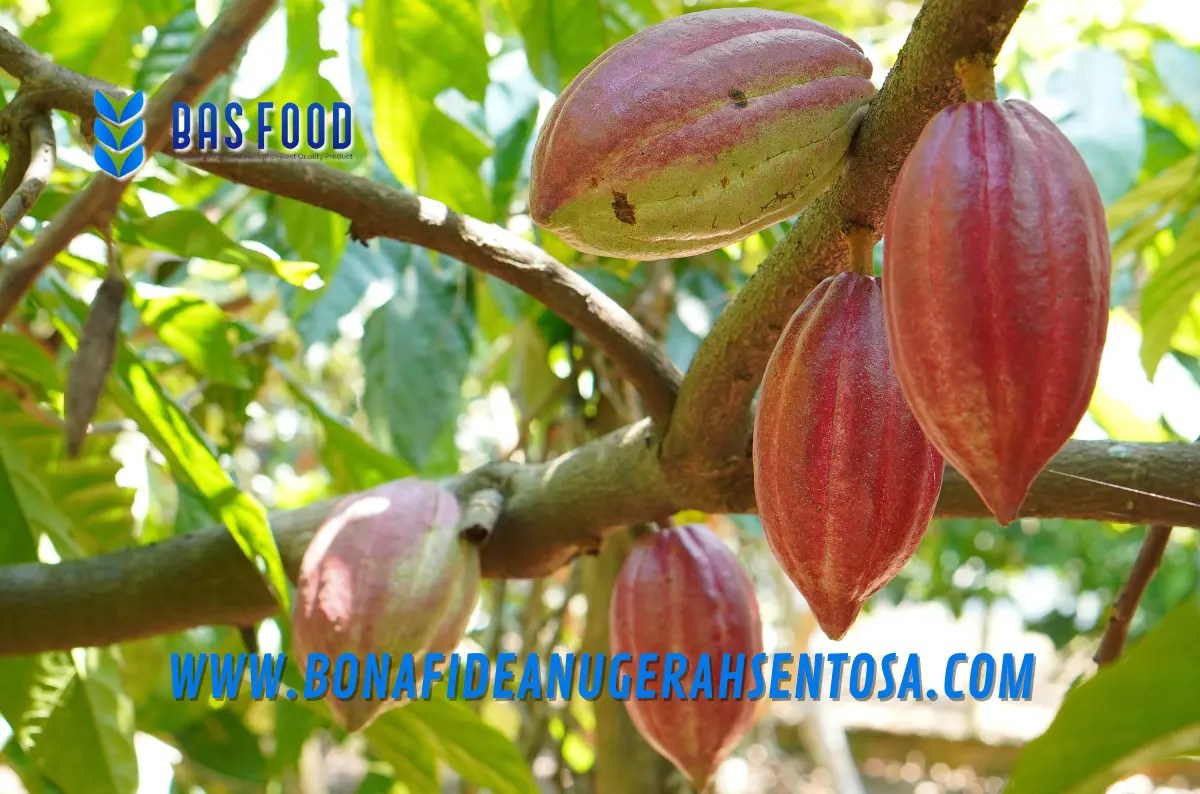
Farming Conditions and Raw Bean Quality
The first variable shaping cocoa powder pricing begins long before processing: the cocoa farm itself. Soil composition, rainfall patterns, sunlight exposure, and local agricultural practices all influence bean quality. When farms operate in high-yield environments, the beans tend to carry richer flavor notes and higher fat content. These characteristics later support premium cocoa powder grades.
Moreover, fluctuations in climate can cause supply inconsistencies. El Niño years, for example, reduce rainfall and lower harvest volumes. When raw cocoa becomes scarce, processors respond with price adjustments. In many instances, the most important cost elements trace back to these agricultural factors.
Post-Harvest Handling and Fermentation Practices
After harvesting, farmers begin fermentation, which shapes the flavor profile and acidity balance of the beans. Fermentation length, temperature control, and turning schedules all determine how well the beans develop their characteristic aroma.
Better fermentation increases value because it produces cleaner flavor and improves the final color of the powder. Poor fermentation, on the other hand, leads to bitterness or uneven tones that require processors to sort or discard defective beans. These inefficiencies directly tie into the overall value drivers that influence cohesive pricing structures.
Drying, Sorting, and Pre-Processing Costs
Once fermentation ends, drying becomes the next big step. Sun-dried beans usually carry less risk of smoke contamination than fire-dried beans, which can sometimes introduce unwanted aroma compounds. Markets that demand premium cocoa powder typically avoid smoke-tainted beans, pushing suppliers to improve drying setup and invest in better facilities.
Sorting also carries cost because it requires skilled labor. Beans of higher uniformity grade fetch better prices, while mixed-quality batches push the overall value lower. These steps might look small individually, but when stacked together, they contribute significantly to the supply chain structure that shapes end-product pricing.
Processing Technology and Extraction Methods
Processing plays a major role in determining the final quality level and therefore the market value. Modern cocoa powder factories rely on advanced presses and precise temperature controls to maintain consistency. When a facility uses better machinery, the resulting cocoa powder has smoother texture, more stable color, and better dispersibility in applications like drinks or confectionery.
These improvements don’t come free. High-grade equipment requires substantial investment, and this pushes the final pricing higher. Buyers who understand cocoa powder price factors often check whether machinery is updated, whether the facility uses solvent or mechanical extraction, and how the plant maintains hygienic certifications. Each detail aligns with credible cost elements influencing global value.
Fat Content, pH Level, and Color Uniformity
Technical characteristics of cocoa powder are among the strongest pricing indicators in the market. Fat content often determines the grade: higher fat powders usually cost more because they require better raw beans and specific pressing techniques. Meanwhile, pH level differentiates natural and alkalized powders, with alkalized varieties offering deeper color and easier solubility.
The way buyers assess value drivers often includes measuring the consistency of these specifications. Cocoa powder with stable color, controlled acidity, and predictable viscosity commands higher pricing in global markets, especially for large manufacturers with strict recipes.
Certifications and Compliance With Buyer Requirements
Many international importers require certifications such as HACCP, ISO, Halal, Kosher, or organic status. Meeting these requirements involves considerable operational investment, from traceability systems to facility audits and raw material screening.
Compliance with ethical sourcing programs such as Fairtrade or Rainforest Alliance also adds value but increases production cost. These upgrades form a central part of the supply chain structure and influence how exporters set prices for global clients.
CV Bonafide Anugerah Sentosa already meets various buyer standards, making them a reliable option for international customers who require strict and ethical procurement.
Logistics, Market Demand, and Global Trade Patterns
Beyond production, global trading dynamics also shape cocoa powder prices. Freight rates, currency fluctuations, and regional demand spikes all influence the final numbers. When fuel costs rise or port congestion slows shipments, exporters adapt pricing to ensure operational sustainability.
Additionally, seasonal demand from industries like chocolate, bakery, and beverages creates notable market swings. Buyers who track these cycles gain better control over timing and cost. Understanding these broader cocoa powder price factors helps importers strategize purchase volumes and negotiate effectively.
Conclusion: Navigating Cocoa Powder Costs With Better Insights
Pricing cocoa powder is far from straightforward. Every step of the journey influences value — from the farm to processing, certification, and global logistics. When buyers understand how cost elements, value drivers, and the supply chain interact, they can make smarter decisions and secure long-term partnerships.
Companies like CV Bonafide Anugerah Sentosa offer transparency in sourcing and production, helping global clients access consistent cocoa powder along with fishery, spices, and coconut products. Their integrated supply network allows buyers to reduce risk and improve quality assurance.
If you’re exploring new cocoa suppliers or want deeper insight into what shapes cocoa pricing, these factors give you a solid place to start.
Contact CV Bonafide Anugerah Sentosa how we can provide the best solutions for you. WhatsApp: +62 8213 4505 737, Email: info@bonafideanugerahsentosa.com / bas.mdir@gmail.com.