
When people think about high-quality coffee from Indonesia, Arabica from Gayo or Toraja might come to mind first. But Robusta from the Mandailing region? It’s quietly making waves in global markets—and for good reason. Nestled in the lush, volcanic highlands of North Sumatra, Mandailing offers more than just a name. It’s a microclimate and culture that shape beans with depth, character, and story.
In this article, we’ll explore what makes Mandailing Robusta Coffee stand out. From the region’s soil composition and climate to local farming practices, post-harvest methods, and historical significance, everything works in harmony to produce Robusta beans that are anything but ordinary.
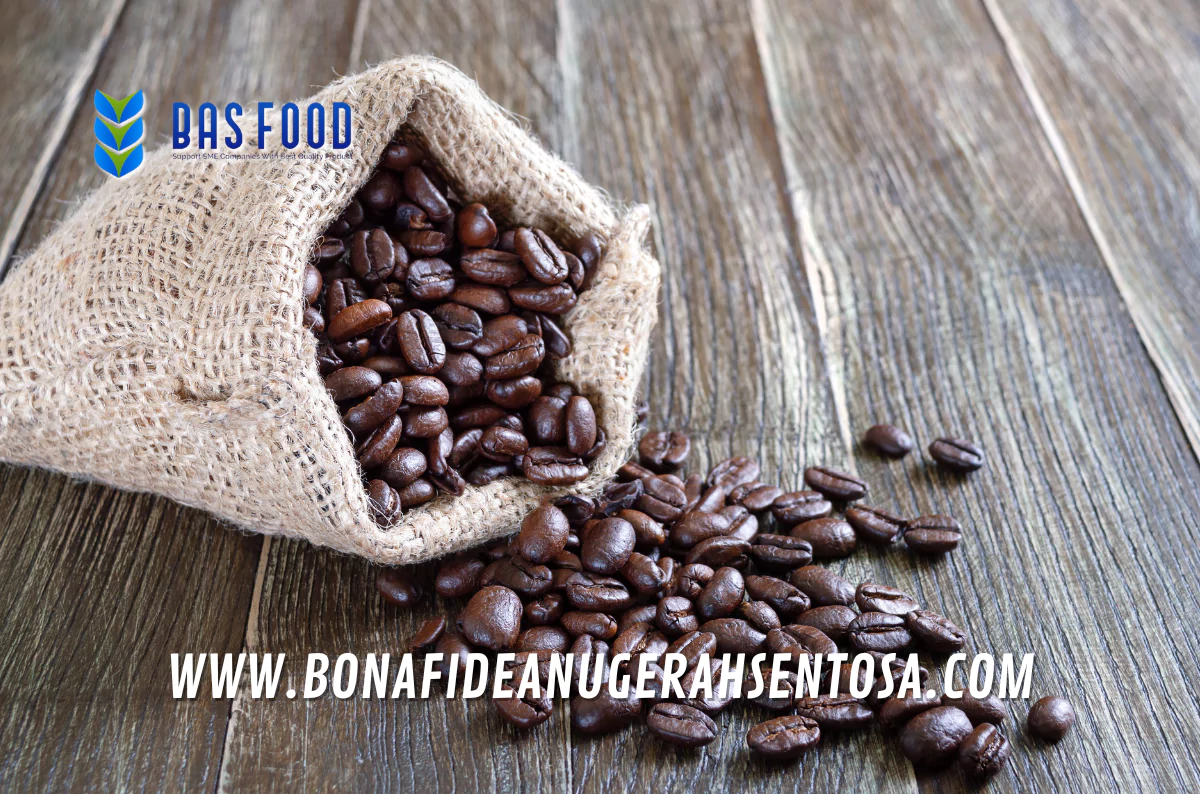
A Look at the Mandailing Highlands: Nature’s Coffee Lab
The Mandailing region, located in the southern part of North Sumatra, is a picturesque mix of rugged hills, dense forests, and terraced farms. Sitting between 800 to 1,200 meters above sea level, it offers the kind of terrain and elevation ideal for growing coffee—even Robusta, which typically thrives at lower altitudes. This unique environment contributes to the distinct profile of Mandailing Robusta Coffee.
The volcanic soil in the area is rich in minerals, giving the beans added complexity. Regular rainfall, moderate temperatures, and misty mornings create a slow, steady growing season. These conditions help beans mature gradually, leading to a denser structure and more concentrated flavors.
Moreover, natural shade from forest canopies and intercropping with spices and fruit trees keeps the soil fertile and supports biodiversity—something that’s becoming more valued in sustainable coffee production.
The Bold Flavor Profile of Mandailing Robusta Coffee
Robusta is often overlooked in favor of Arabica, mainly due to its reputation for being bitter or harsh. But Mandailing Robusta challenges that stereotype. Thanks to its highland origin and thoughtful processing, this coffee tends to have a bold but balanced cup. You’ll still get the body and punch of typical Robusta, but with less bitterness and more flavor nuance.
A typical cup of Mandailing Robusta Coffee might carry notes of dark chocolate, roasted nuts, and hints of spice—sometimes even a touch of smokiness or earthy sweetness. It’s rich, full-bodied, and carries a lingering finish that works especially well for espresso blends or traditional Indonesian brews like tubruk.
Caffeine levels remain high, giving it that energizing kick Robusta is known for, but without the overly sharp edge. It’s the kind of coffee that appeals to both die-hard Robusta drinkers and curious Arabica fans looking to branch out.
Traditional Farming Practices with Generational Know-How
Coffee farming in Mandailing isn’t just business—it’s heritage. Families have cultivated coffee in this region for generations, often on smallholder plots ranging from half a hectare to two hectares. This deeply rooted tradition translates into attention to detail, pride in quality, and knowledge passed down through years of experience.
Most farmers in the region still use organic or semi-organic methods, with minimal reliance on chemical inputs. Fertilizers are often made from compost, and pest control involves natural remedies. Shade-grown techniques also reduce the need for irrigation and synthetic treatments, aligning with eco-conscious values.
Even harvesting is done by hand. Farmers selectively pick cherries when they’re fully ripe, which not only improves flavor but also minimizes waste. This level of manual care, while time-consuming, ensures that only the best beans make it to processing.
Post-Harvest Processing: From Cherry to Bean with Care
The way coffee is processed after harvesting can make or break its final taste. In Mandailing, most Robusta undergoes a semi-washed or wet-hulled process—also known locally as “giling basah.” This method, though more common with Arabica, works surprisingly well with Robusta here.
After harvesting, cherries are pulped and fermented briefly, then washed and sun-dried. The beans are then hulled while still slightly moist, resulting in a distinctive bluish-green hue and a heavier body in the cup.
This process adds to the complexity of Mandailing Robusta Coffee, enhancing its deep, earthy character while reducing harshness. Moreover, drying the beans under natural sunlight at high altitudes slows down moisture loss, helping to lock in essential oils and flavor compounds.
Mandailing’s Cultural Influence on Coffee Identity
The term “Mandailing” doesn’t just refer to a place—it reflects an entire ethnic and cultural identity. The Mandailing people have a strong connection to the land, and that relationship shapes how coffee is grown, processed, and shared.
Many rituals and social practices revolve around coffee. It’s common to find traditional Mandailing homes where brewing coffee is a daily ceremony, often accompanied by storytelling or music. This cultural backdrop adds value to the product itself, giving buyers a taste of not just coffee—but of a people’s way of life.
For international importers and roasters, this cultural richness becomes a selling point. It adds transparency and authenticity in a market that increasingly values traceability and ethical sourcing.
Why Global Buyers Are Turning to Mandailing Robusta
As specialty Robusta gains attention globally, Mandailing is quickly becoming a name to watch. Coffee buyers are realizing that the region offers beans that go beyond commodity grade. They’re full of character, traceable, and produced with care.
Several specialty roasters in Europe, the U.S., and Asia have started incorporating Mandailing Robusta into their espresso blends for added depth. Others highlight it as a standalone origin, especially in markets like Italy or Vietnam, where strong coffee is the norm.
Beyond taste, buyers also value the reliability of sourcing from regions like Mandailing. Local cooperatives and exporters often maintain close relationships with farmers, ensuring consistency in volume and quality. Some even support certification programs like UTZ, Rainforest Alliance, or organic labeling.
CV Bonafide Anugerah Sentosa: Your Trusted Supplier of Mandailing Robusta Coffee
For international buyers looking to source Mandailing Robusta Coffee, CV Bonafide Anugerah Sentosa is a name you can trust. Based in Indonesia, this company has built a reputation as a reliable coffee bean supplier, spices supplier, fishery supplier, and coconut product supplier to various global markets.
With experience in handling large export volumes while maintaining strict quality control, CV Bonafide Anugerah Sentosa works directly with farmers and cooperatives in Mandailing. This ensures that every shipment of Robusta beans is traceable, ethically sourced, and of the highest standard.
The company also offers value-added services such as packaging, documentation, and logistics support, making it easier for buyers to import without hassle. Whether you’re a boutique roaster or a large distributor, their flexible MOQs and consistent quality make them a solid partner in the global coffee trade.
Looking Ahead: The Future of Robusta from Mandailing
The rise of Mandailing Robusta Coffee is more than a passing trend—it reflects a shift in how the world sees Robusta as a whole. No longer just a filler bean for cheap blends, Robusta is being reimagined as a specialty product, with Mandailing leading the charge.
As climate change impacts Arabica production worldwide, high-quality Robusta from resilient regions like Mandailing offers a promising alternative. Add to that growing demand for strong, full-bodied coffee and increased consumer interest in origin stories, and you’ve got a formula for long-term success.
It’s likely we’ll see more investment in processing infrastructure, farmer training, and international marketing for Mandailing coffee in the coming years. And as more people discover its unique flavor and rich history, this region will continue to climb the ranks of the global coffee map. Contact CV Bonafide Anugerah Sentosa how we can provide the best solutions for you. WhatsApp: +62 8213 4505 737, Email: info@bonafideanugerahsentosa.com / bas.mdir@gmail.com.