
Indonesia is one of the world’s largest coffee producers, but its roasted coffee beans have a reputation that goes far beyond volume. In recent years, Indonesian roasted coffee beans have gained international recognition not just for their heritage, but for their distinct profiles—earthy, spicy, bold, and rich with character. From casual coffee drinkers to seasoned roasters, many are discovering what makes these beans so unforgettable.
At the heart of this journey are farmers across the islands—from Sumatra and Java to Sulawesi and Bali—who have kept traditional cultivation alive while adapting to global standards. Meanwhile, exporters like CV Bonafide Anugerah Sentosa play a critical role in bringing these beans to the world. As a trusted supplier of coffee beans, spices, fishery products, and coconut derivatives from Indonesia, they ensure quality meets demand.
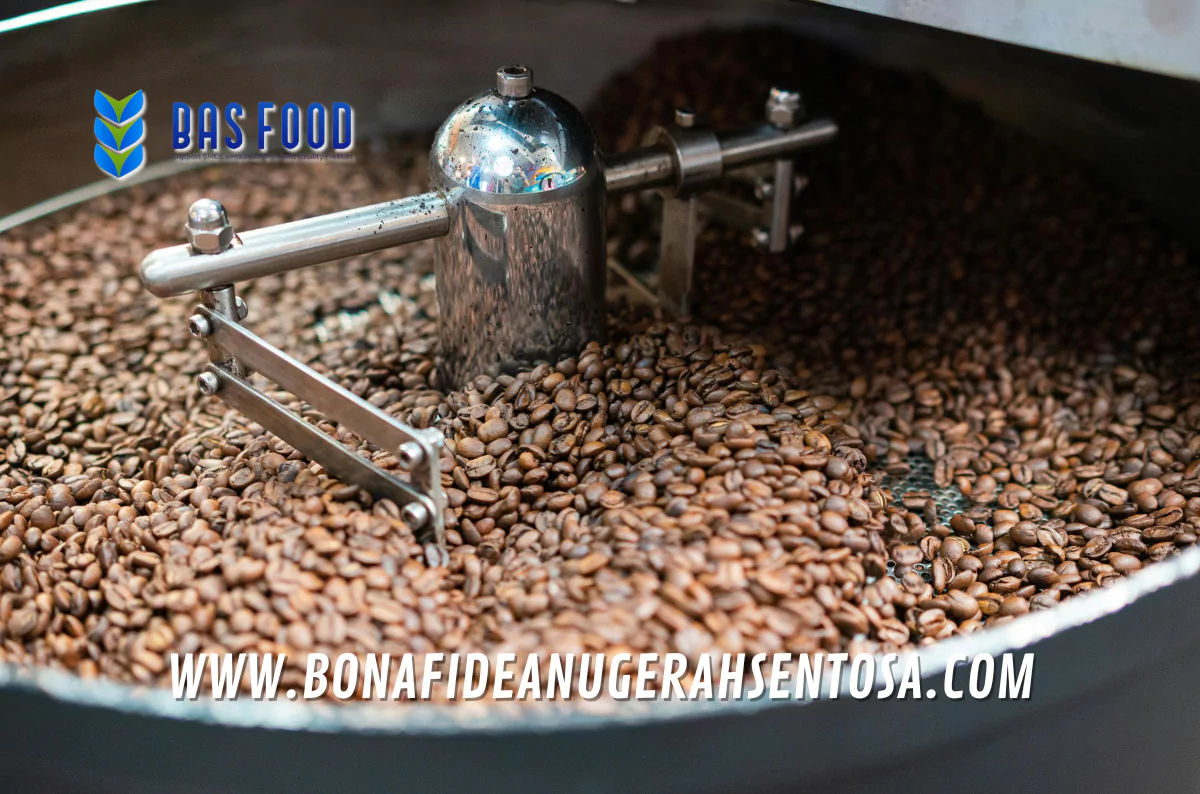
A Unique Geography That Shapes Flavor
One of the biggest reasons why Indonesian roasted coffee beans stand out is geography. Indonesia is an archipelago with volcanic soil, high altitudes, and diverse microclimates—ideal conditions for growing high-quality coffee.
Regions like Aceh Gayo, Mandheling (Sumatra), Java, and Toraja (Sulawesi) are particularly famous. The volcanic soil infuses the beans with minerals that add to their complexity, while the altitude contributes to slower bean development, enhancing aroma and flavor. The result? A cup of coffee that feels layered, bold, and memorable.
In fact, each region creates a signature flavor. Sumatran beans tend to be full-bodied and earthy, while Javanese coffee is often smooth and chocolaty. Toraja beans can offer a spicy finish with a slightly fruity edge. This variety makes Indonesian roasted coffee beans a favorite among specialty roasters who crave distinct origin profiles.
Traditional Processing Methods That Preserve Identity
While many countries rely heavily on washed (wet) processing, Indonesia is known for its giling basah or wet-hulling method. This traditional technique is one of the key factors behind the earthy, syrupy flavor of many Indonesian roasted coffee beans.
Here’s how it works: after the outer skin is removed, the beans are fermented briefly, then hulled while still wet. They are then dried in the open air. This method is less common globally, but it gives Indonesian beans their signature low-acidity, deep-toned profile that many find irresistible.
In regions like Sumatra, wet-hulling also makes it easier to process coffee in humid conditions, turning a climate challenge into a flavor advantage. Many specialty roasters around the world now seek out wet-hulled beans for their unique cup characteristics.
Flavor Profiles That Are Bold and Complex
If you’ve ever had a cup of Indonesian roasted coffee, you’ll know it doesn’t taste like coffee from anywhere else. These beans are known for their bold body, low acidity, and rich, often spicy flavors. That makes them ideal for espresso blends or as a strong single-origin brew.
Sumatra Mandheling beans are typically heavy, smooth, and full of notes like dark chocolate, tobacco, cedar, and sometimes even hints of dried fruit. Sulawesi Toraja beans can surprise you with herbal notes, sweet finish, and a punchy body. Meanwhile, Java Arabica beans often lean toward mild acidity, balanced sweetness, and chocolate undertones.
These complex layers attract coffee professionals and home brewers alike. Indonesian roasted coffee beans have become a go-to choice for those who want a deeper, earthier experience in their morning cup.
A Strong Specialty Coffee Movement in Indonesia
In recent years, Indonesia’s local coffee scene has been booming. Younger farmers, roasters, and baristas have embraced specialty coffee culture and raised the bar in terms of quality and innovation.
Coffee shops across Jakarta, Yogyakarta, Bali, and Bandung now feature beans sourced from local farmers, often highlighting their regional origin and roast profile. This revival isn’t just for domestic consumption—it helps Indonesian coffee make a bigger impact internationally.
With more attention to proper fermentation, drying, sorting, and roasting, today’s Indonesian roasted coffee beans are cleaner, more consistent, and more exciting than ever. Exporters like CV Bonafide Anugerah Sentosa support this movement by ensuring international buyers receive beans that meet quality standards—every time.
Sustainable and Ethical Practices Are Gaining Ground
As global demand for ethical sourcing increases, Indonesia has responded. Many cooperatives and exporters now promote fair trade, organic certification, and sustainable farming techniques. It’s not uncommon to find Indonesian roasted coffee beans that are Rainforest Alliance or USDA Organic certified.
These practices benefit everyone: farmers get better prices, buyers get peace of mind, and the environment gets a break. CV Bonafide Anugerah Sentosa is among the exporters who focus on working with suppliers that align with these values. Whether it’s coffee, spices, coconut products, or fishery goods, the company emphasizes transparency, sustainability, and traceability.
By supporting Indonesian roasted coffee beans grown through sustainable means, importers are not only investing in quality but also in the future of the coffee industry itself.
A Trusted Supply Chain That Delivers Quality
Behind every great bag of roasted beans is a strong supply chain. That’s where companies like CV Bonafide Anugerah Sentosa shine. Based in Indonesia, they are a reliable exporter of roasted coffee beans as well as other premium agricultural products like spices, coconut derivatives, and fishery goods.
With deep relationships across coffee-growing regions and strict quality control at every step, they ensure their clients—from roasters in Europe to distributors in the U.S.—get consistent, high-quality products. The company understands the nuances of each region’s harvest cycle, post-harvest practices, and export regulations.
More importantly, they don’t just ship beans—they build partnerships. If you’re an importer looking for a direct, trustworthy source for Indonesian roasted coffee beans, CV Bonafide Anugerah Sentosa should be on your radar.
Indonesian Coffee Culture Continues to Evolve
Indonesia’s coffee culture isn’t stuck in the past. While traditional brewing like kopi tubruk is still widely enjoyed, modern espresso-based drinks, manual brewing methods like V60, and third-wave cafés are flourishing. This blending of old and new has made Indonesia not just a producer, but a consumer with refined taste.
As locals develop a deeper appreciation for their own beans, domestic demand also helps drive improvements in quality. Farmers and roasters now have more incentive to experiment with new processing styles, varietals, and roast techniques. The end result is a more vibrant, diverse market for Indonesian roasted coffee beans both locally and globally.
Conclusion: Why the World Wants Indonesian Roasted Coffee Beans
There’s no one reason why Indonesian roasted coffee beans are so sought after—it’s the combination that makes them special. The rich volcanic soil, unique processing methods, bold flavors, ethical practices, and rising specialty scene all contribute to their growing reputation.
Whether you’re a roaster, a coffee shop owner, or just someone who enjoys a truly satisfying brew, exploring Indonesian coffee is worth your time. And with suppliers like CV Bonafide Anugerah Sentosa, sourcing top-quality beans from Indonesia has never been easier. They offer more than just coffee—they offer a gateway to one of the most dynamic coffee landscapes in the world. Contact CV Bonafide Anugerah Sentosa how we can provide the best solutions for you. WhatsApp: +62 8213 4505 737, Email: info@bonafideanugerahsentosa.com / bas.mdir@gmail.com.