
Indonesia is a coffee powerhouse, but if you’re buying green beans from this archipelago, you’ll quickly realize it’s not just about the region — it’s also about the grade. Whether you’re an experienced roaster, importer, or curious enthusiast, understanding Indonesian Green Coffee Grades is key to getting the right quality at the right price.
This guide will walk you through everything you need to know: from how the grading system works, to what makes one grade stand out from another, and how to find reliable suppliers like CV Bonafide Anugerah Sentosa, a trusted name in Indonesian coffee, spices, fishery, and coconut exports.
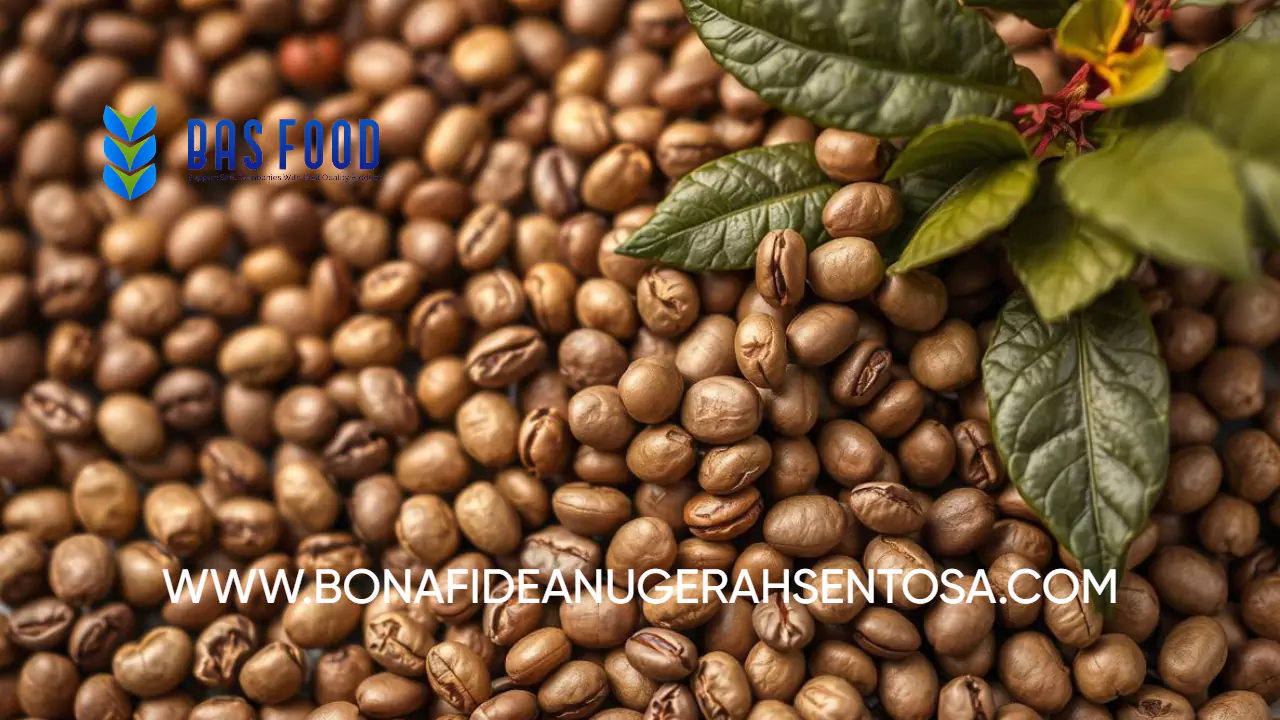
The Basics of Indonesian Coffee Grading
When someone talks about Indonesian Green Coffee Grades, they’re usually referring to a classification system based on bean defects, size, shape, and moisture content. The grading process is an essential step before export, ensuring international buyers receive beans that meet their expectations.
Indonesia follows the SCAA (Specialty Coffee Association of America) and local Indonesian National Standard (SNI) guidelines. Most grades fall under the Grade 1 to Grade 6 scale — with Grade 1 being the highest quality and Grade 6 the lowest. Specialty coffee, which is becoming more popular globally, almost always falls within Grade 1 or 2.
What Defines Each Indonesian Coffee Grade?
To make sense of the grading system, it helps to understand how it’s applied in practice. Here’s a breakdown of the key grades and what they mean:
- Grade 1: Specialty Quality
This is the cream of the crop. Grade 1 beans have zero to five defects per 300g sample. They come from carefully curated lots, are often hand-sorted, and typically offer unique flavor notes with minimal bitterness. These beans are favored by high-end roasters and third-wave coffee brands. - Grade 2: Premium Commercial Quality
Grade 2 beans may contain up to 8 defects per 300g. The quality is still high, often used by reputable roasters and retailers. While they may lack the complexity of Grade 1, they still offer consistency and clean flavors — ideal for espresso blends and filter coffee. - Grade 3 and Below: Bulk and Industrial Coffee
Grade 3 (up to 23 defects), Grade 4 (up to 86 defects), and so on are used for mass-market coffee or instant coffee production. These beans can be inconsistent, have visible defects, or even have flavor issues. However, they’re often more affordable and can be blended to achieve balanced profiles.
Key Factors That Affect Indonesian Coffee Grades
Several variables go into determining the grade of green coffee, especially in a country as diverse as Indonesia. Here’s what matters most:
- Defect Count and Types
Grading is mainly based on the number and severity of defects. Common defects include broken beans, black beans, insect-damaged beans, and quakers. Fewer defects mean a higher grade and better cup quality. - Screen Size
Beans are also classified by size using screen mesh measurements. A larger screen size (16–18) usually indicates higher density beans, which roast more evenly and produce richer flavor. - Moisture Content
Ideal green coffee moisture content is between 10–12.5%. Anything outside that range affects shelf life and flavor. High-quality Indonesian suppliers regularly check this to meet export standards. - Origin and Processing Method
Beans from Sumatra, Sulawesi, Java, and Bali each have different characteristics. For example, wet-hulled beans from Sumatra have a distinct earthy and herbal profile. Processing methods like natural, washed, or honey-processed also impact grade and cup profile.
Popular Grading Terms Used in Indonesian Exports
If you’re buying green coffee from Indonesia, you’ll encounter terms like G1, Triple Picked, Double Picked, and even Mandheling or Toraja attached to the grade. Here’s what they mean:
- G1 (Grade 1) – Often Paired with Triple Picked
“Triple Picked” means the beans have been hand-sorted three times to remove defects. It’s an assurance of extra care and higher precision, commonly found in premium Mandheling or Gayo beans. - DP and TP – Double and Triple Picked
“DP” (Double Picked) and “TP” (Triple Picked) aren’t official grades but sorting methods. They enhance quality by removing more defects, ensuring that Grade 1 or 2 beans meet stringent buyer expectations. - Mandheling, Lintong, Gayo – Regional Labels
These names refer to growing regions in Sumatra but often appear alongside grades. For example, “G1 Mandheling TP” tells you the bean is top-quality, from Mandheling, and triple sorted.
Choosing the Right Grade for Your Business
As an international buyer, it’s important to balance quality and cost. Grade 1 and 2 beans offer better flavor, but you’ll pay a premium. Lower grades may suit instant coffee producers or large-scale roasters who blend beans.
Here’s how to make the call:
- For Specialty Coffee Shops and Roasters
Go with Grade 1 or G1 TP beans. These provide the best consistency, flavor notes, and roast profiles. They’re also marketable with single-origin or regional traceability labels. - For Commercial or Retail Coffee Brands
Grade 2 or Double Picked beans often strike a good balance. They’re less expensive than Grade 1, but still offer solid flavor and presentation. - For Bulk or Instant Coffee Production
Grades 3 and below work well here, especially when cost efficiency is a priority. These beans are often used in blends, and the defects can be minimized during processing. - Why Sourcing from Trusted Suppliers Matters
Grading only tells part of the story. What matters just as much is who you buy from. Not all exporters apply the same grading rigor, and post-harvest handling can make or break your shipment.
Enter CV Bonafide Anugerah Sentosa
If you’re looking for a reliable source of Indonesian green coffee, CV Bonafide Anugerah Sentosa is a name to know. Based in Indonesia, they specialize in:
- Green Coffee Export (Robusta and Arabica)
- Spices (Clove, Nutmeg, Cinnamon)
- Fishery Products (Tuna, Octopus, Shrimp)
- Coconut Derivatives (Coconut sugar, milk, water concentrate)
They apply strict quality controls, traceability, and ethical sourcing — ensuring you get not just the grade you asked for, but beans that meet international food safety standards. Their facilities are located close to the coffee-producing regions, allowing them to work directly with farmers and cooperatives.
Whether you need a 20-foot container of G1 Mandheling or bulk Grade 3 for instant coffee, CV Bonafide Anugerah Sentosa can deliver.
Final Thoughts: Indonesian Coffee Grading Simplified
Understanding Indonesian Green Coffee Grades helps you avoid overpaying, underdelivering, or being surprised by what arrives at your port. It’s not just about defect counts — it’s about bean size, moisture, region, and how the beans were handled post-harvest.
As an international buyer, always ask your supplier for grading documentation, cupping reports, and sorting methods. Better yet, work with companies like CV Bonafide Anugerah Sentosa, who’ve built their reputation on transparency and consistent quality. Contact CV Bonafide Anugerah Sentosa how we can provide the best solutions for you. WhatsApp: +62 8213 4505 737, Email: info@bonafideanugerahsentosa.com / bas.mdir@gmail.com.