
Yellowfin tuna is one of the most sought-after fish in the global seafood market. Known for its vibrant color, firm texture, and mild flavor, it’s a favorite in sushi bars, fine dining restaurants, and seafood markets worldwide. But have you ever wondered how yellowfin tuna gets from the deep blue waters of Indonesia to your dinner plate? Let’s take a deep dive into the world of Yellowfin Tuna Processing and explore how Indonesia, one of the world’s top tuna producers, expertly processes and exports this prized fish. Along the way, we’ll also introduce you to CV Bonafide Anugerah Sentosa, one of Indonesia’s most trusted and reliable tuna suppliers.
Indonesia: The Ocean’s Gift to the World
Indonesia’s location in the heart of the Coral Triangle makes it a paradise for marine biodiversity. With more than 17,000 islands and a massive exclusive economic zone, the country is home to abundant tuna stocks, including yellowfin tuna (Thunnus albacares).
Thanks to its strategic location and deep-rooted fishing traditions, Indonesia has become one of the world’s top suppliers of yellowfin tuna. Small-scale and commercial fisheries across regions like Sulawesi, Maluku, and Papua harvest tons of tuna every year, using techniques that range from traditional handlines to modern longlines.
But catching the fish is just the beginning. The real magic starts once the tuna reaches shore.
First Catch, Then Chill: What Happens After the Tuna Is Landed
Fishermen chill yellowfin tuna on ice immediately after catching it—right on the boat. This crucial step preserves the fish’s freshness and prevents bacterial growth. Most fishing vessels in Indonesia use insulated containers or onboard cold storage to keep the tuna at low temperatures until they reach the processing facility.
Upon arrival on land, workers quickly transport the tuna to processing plants while maintaining a strict cold chain. Every second counts. The faster they move the tuna to the plant, the better the quality stays. This rapid handling process ensures the fish meets export-grade standards.
At the plant, staff weigh, tag, and inspect the tuna for quality. Only the highest-quality fish move forward to the next stage: Yellowfin Tuna Processing.
Inside the Processing Plant: Where Quality Takes Shape
At the heart of the journey lies the Yellowfin Tuna Processing facility. This is where raw fish is transformed into premium seafood products ready for export. The process is meticulous, hygienic, and follows strict food safety protocols.
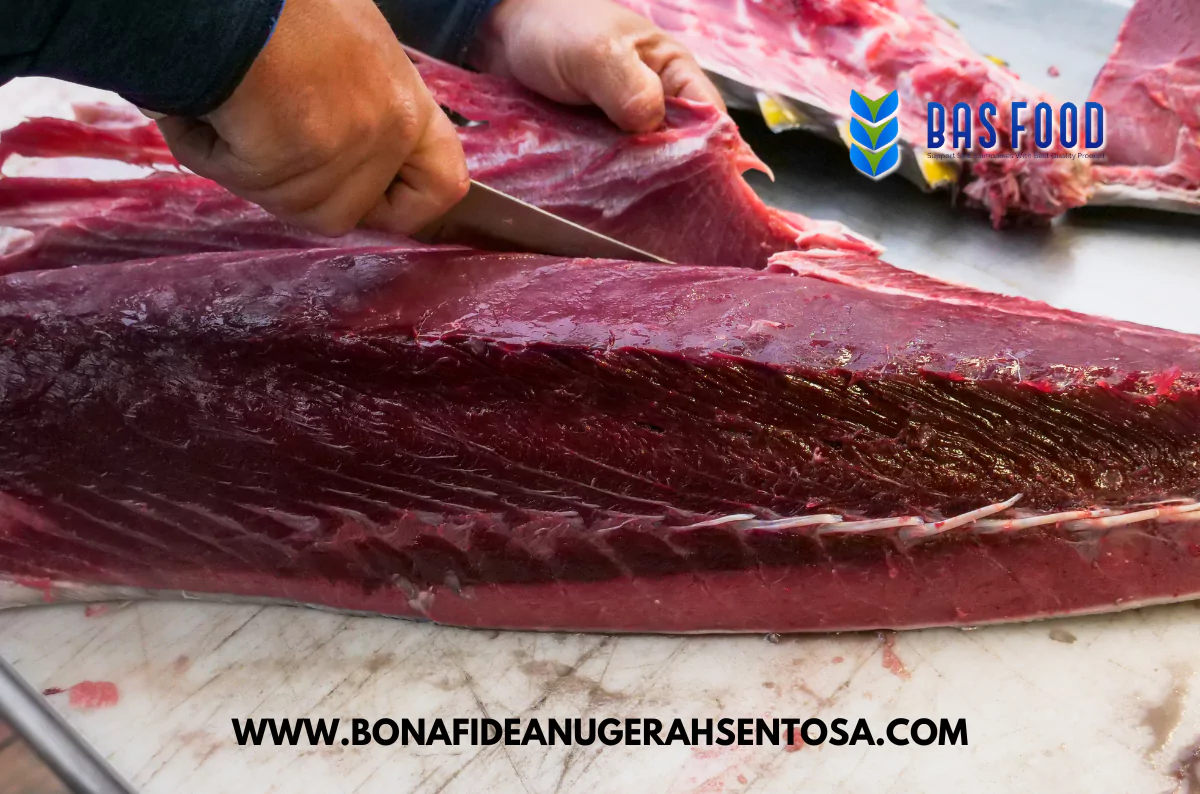
First, the tuna is inspected and sorted based on size, weight, and quality. Then, skilled workers begin the filleting process, carefully cutting the fish into loins, steaks, or saku blocks, depending on the buyer’s specifications. Nothing goes to waste here—any trimmings are used for canned products or pet food.
Hygiene is a top priority. Workers wear protective clothing, and the equipment is regularly sanitized. Processing plants that export yellowfin tuna must comply with international standards such as HACCP (Hazard Analysis Critical Control Point), EU certification, and FDA regulations. This ensures the final product is not only delicious but also safe for consumers worldwide.
Freezing and Packing: Locking in the Freshness
After filleting, the tuna is flash-frozen to lock in its freshness and preserve its texture. Freezing is done at ultra-low temperatures—usually below -40°C—in blast freezers. This method prevents the formation of large ice crystals, which can damage the meat’s structure.
Once frozen, the tuna is vacuum-packed or sealed in food-grade packaging, then labeled with detailed information like catch area, processing date, and product grade. Depending on the order, the tuna may be packaged as fresh chilled loins, individually vacuum-packed steaks, or frozen blocks.
Packaging isn’t just about protection—it’s also about presentation. Exporters ensure their tuna products are visually appealing and aligned with the importing country’s regulations.
Export and Logistics: Getting Tuna to the World
With everything packed and ready, it’s time for Indonesia’s yellowfin tuna to make its way across the globe. Major ports like Bitung, Ambon, and Jakarta play a key role in export logistics, connecting Indonesian processors to markets in Japan, the U.S., the EU, and the Middle East.
To maintain quality, the cold chain must be unbroken. Exporters use refrigerated containers and partner with reliable logistics companies to ensure timely and safe delivery. Every detail matters—from temperature monitoring to documentation.
Export regulations in Indonesia also require full traceability and compliance with sustainability standards. Tuna exporters must submit catch certificates, health certificates, and meet the importing country’s documentation requirements.
Meet CV Bonafide Anugerah Sentosa: Your Trusted Tuna Supplier
Among the many names in the Indonesian tuna industry, CV Bonafide Anugerah Sentosa stands out as a trusted partner for businesses around the world. Based in Indonesia, the company specializes in the processing and export of yellowfin tuna, delivering high-quality products that meet international standards.
CV Bonafide Anugerah Sentosa offers a wide range of tuna products—from loins and steaks to saku blocks and cubes. Their processing facility follows strict hygiene protocols and certifications to ensure food safety and product excellence.
What truly sets them apart is their commitment to sustainability and long-term partnerships. The company works closely with local fishermen, supporting responsible fishing practices and improving livelihoods across coastal communities. So when you choose CV Bonafide Anugerah Sentosa, you’re not just getting premium tuna—you’re supporting a better seafood industry.
Why Yellowfin Tuna from Indonesia Is a Global Favorite
It’s no surprise that chefs and seafood lovers around the world trust yellowfin tuna from Indonesia. The fish is wild-caught, responsibly handled, and processed with care. From the tropical waters to your table, the journey reflects quality, tradition, and innovation.
Indonesia’s tuna industry is also constantly evolving. With improved infrastructure, government support, and eco-label initiatives, the country is making waves in sustainable seafood.
Whether you run a restaurant, import seafood, or just love learning about where your food comes from, the story of Yellowfin Tuna Processing in Indonesia is a fascinating look into global trade, coastal communities, and the value of doing things right.
Final Thoughts: A Journey Worth Tasting
Next time you enjoy a fresh piece of tuna sushi or a grilled tuna steak, take a moment to appreciate the journey it made—from the clear blue waters of Indonesia to your plate. It’s a story of skilled hands, cold chains, and trusted partners like CV Bonafide Anugerah Sentosa, working behind the scenes to bring the ocean’s finest to the world.
So if you’re looking for a reliable supplier of yellowfin tuna or simply want to support sustainable seafood, remember the name. Indonesia delivers, and Bonafide makes it even better. Contact CV Bonafide Anugerah Sentosa how we can provide the best solutions for you. WhatsApp: +62 8213 4505 737, Email: info@bonafideanugerahsentosa.com / bas.mdir@gmail.com.